
Featured Answer: How long does dental implant recovery take?
The active recovery period, when you experience swelling, discomfort, and dietary restrictions, typically lasts 7 to 14 days. However, the complete biological healing process, called osseointegration, takes 3 to 6 months. During osseointegration, the titanium implant fuses with your jawbone at a cellular level, creating a stable foundation for your crown, bridge, or denture. Most patients return to work within 1 to 3 days and resume normal eating within 2 to 3 weeks.
If you are planning to have a dental implant placed at Innova Smiles in Marlborough, one of the first questions you are likely to ask is: "What is the recovery really like?" If cost is part of your planning, compare this timeline with our Massachusetts dental implant cost guide. Recovery is manageable for many patients, but it follows a predictable timeline with distinct phases, each with its own expectations and guidelines.
Dr. Ambereen Fatima provides every implant patient with a detailed post-surgical care protocol. This guide expands on that protocol with a week-by-week walkthrough of what to expect, how to manage each phase, and what to watch for.
Considering Dental Implants in MetroWest?
Schedule an evaluation with Dr. Fatima for a personalized 3D CBCT scan, surgical plan, and transparent written cost estimate.
Before Surgery: Setting Yourself Up for Success
Recovery begins before the procedure. How well you prepare directly impacts how smoothly you heal.
In the Days Before Surgery
- Stock your kitchen with soft foods: yogurt, applesauce, mashed potatoes, scrambled eggs, protein shakes, smoothie ingredients (no straws), broth-based soups, oatmeal, and ripe bananas.
- Fill prescriptions in advance. Dr. Fatima typically prescribes an antibiotic (to prevent infection), an anti-inflammatory pain reliever, and an antimicrobial mouth rinse. Having these ready means you can go straight home after surgery.
- Arrange your schedule. Plan to take the day of surgery and at least the following day off from work. If your job involves physical labor, plan for 3-5 days off.
- You can drive yourself. Because implant placement is done under local anesthetic (not sedation), you do not need a driver — though some patients like having company for the first evening.
- Prepare your recovery area. Extra pillows to keep your head improved, ice packs, clean gauze, and a water bottle within reach.
Day of Surgery (Day 0)
What Happens During Placement
The implant procedure itself typically takes 45 to 90 minutes per implant under local anesthesia (with optional). Dr. Fatima uses 3D CBCT-guided surgical protocols to place the implant with sub-millimeter precision, minimizing tissue disruption and optimizing the implant's position relative to your bone, nerves, and adjacent teeth. Learn more about guided implant surgery.
Immediately After Surgery
- Numbness. Local anesthesia wears off in 2-4 hours. Begin taking your prescribed pain medication before the numbness fades, this prevents pain from escalating.
- Gauze pressure. Bite on gauze pads placed over the surgical site for 30-45 minutes to control initial bleeding. Change gauze every 30 minutes until bleeding slows to light oozing.
- Ice packs. Apply an ice pack to the outside of your cheek — 20 minutes on, 20 minutes off, for the rest of the day. This is the single most effective measure for controlling swelling.
- Head elevation. Keep your head improved above your heart, even while sleeping. Use two or three pillows. This reduces blood pressure to the surgical area and minimizes swelling.
- No rinsing, spitting, or using straws. These actions create suction that can dislodge the blood clot forming over the implant site, a condition called dry socket that significantly delays healing.
- Diet. Cool liquids and very soft foods only. Avoid anything hot (temperature-wise), as heat dilates blood vessels and increases bleeding.
Days 1-3: The Acute Recovery Phase
This is the period when swelling and discomfort peak and then begin to subside.
What to Expect
- Swelling reaches its maximum between 48 and 72 hours post-surgery. This is normal and not a sign of infection. Swelling may be visible on the cheek and may cause mild asymmetry.
- Discomfort is most noticeable on days 1 and 2. Most patients describe it as a deep, dull ache, similar to a bruise rather than a sharp pain. The intensity is typically well-controlled with the prescribed medication.
- Minor bleeding or oozing from the surgical site is normal for the first 24-48 hours. Your saliva may appear pink-tinged. If bleeding is steady or heavy, apply firm gauze pressure for 30 minutes and call our office.
- Bruising may appear on the cheek or jawline, especially in older patients or those taking blood thinners. Bruising is cosmetic and resolves on its own within 7-10 days.
Pain Management Protocol
Dr. Fatima's standard pain management approach prioritizes anti-inflammatory medication:
- Ibuprofen (600 mg every 6 hours), this is the foundation of post-implant pain management because it addresses both pain and inflammation. A 2017 study in the Journal of Oral and Maxillofacial Surgery found that ibuprofen alone was sufficient for pain control in 85% of single-implant patients.
- Acetaminophen (500 mg every 6 hours), can be alternated with ibuprofen for enhanced relief. The combination of ibuprofen and acetaminophen has been shown to be as effective as stronger prescription pain medications for dental surgical pain.
- Prescription pain medication, reserved for patients who need additional relief beyond the ibuprofen/acetaminophen protocol. Most patients do not need prescription pain medication beyond day 2.
Important: Do not take aspirin for pain relief after implant surgery. Aspirin inhibits platelet function and can increase bleeding.
Diet: Days 1-3
- Ideal foods: Smoothies (without straws), yogurt, applesauce, mashed potatoes, scrambled eggs, lukewarm broth, protein shakes, pudding, Jell-O, mashed avocado
- Avoid: Crunchy foods, spicy foods, acidic foods (citrus, tomato sauce), hot beverages, carbonated drinks, alcohol
- Chew on the opposite side of your mouth from the implant site
- Stay hydrated, adequate water intake supports healing. Aim for at least 64 ounces per day.
Oral Hygiene: Days 1-3
- Do not brush the surgical area for the first 3 days. Brush the rest of your teeth gently with a soft-bristled toothbrush.
- Begin gentle salt water rinses on day 2. Dissolve half a teaspoon of salt in 8 ounces of warm water and let the solution flow passively over the surgical site, do not swish vigorously. Rinse 4-5 times per day, especially after eating.
- Use the prescribed antimicrobial rinse (typically chlorhexidine) as directed, usually twice daily.
Days 4-7: Turning the Corner
What to Expect
- Swelling begins to resolve noticeably by days 4-5. Most patients report feeling significantly better by day 5.
- Discomfort transitions from constant to intermittent. Many patients discontinue prescription medication and switch to over-the-counter ibuprofen alone.
- The surgical site starts to look better. Gum tissue that was swollen and red begins to return to a healthier pink color.
- Energy returns. Most patients feel ready to return to normal activities, including desk-based work, by day 3-5. Physical labor or strenuous exercise should still be avoided.
Diet: Days 4-7
You can begin to expand your diet:
- Add: Soft pasta, cooked vegetables, fish, tender chicken (cut into small pieces), soft bread, bananas, cooked rice
- Still avoid: Hard, crunchy, or chewy foods (nuts, chips, raw carrots, steak, crusty bread, bagels). These foods can traumatize the healing tissue or place excessive force on the implant before integration.
Oral Hygiene: Days 4-7
- Gently begin brushing near the surgical area using an ultra-soft toothbrush. Be careful not to directly scrub the implant site or disturb any sutures.
- Continue salt water rinses after meals.
- Continue chlorhexidine rinse if prescribed.
The First Follow-Up Visit
Dr. Fatima typically schedules a follow-up appointment at 7-10 days post-surgery. During this visit:
- Sutures are removed (if non-resorbable sutures were used)
- The surgical site is examined for proper healing
- A periapical X-ray may be taken to confirm implant position
- Your home care routine is reviewed and adjusted if needed
Weeks 2-4: Early Healing Phase
What to Expect
- Swelling is fully resolved for most patients by the end of week two.
- Discomfort is minimal to absent. Most patients no longer need any pain medication.
- The gum tissue is healing over the implant. Depending on whether a healing abutment was placed at the time of surgery (one-stage approach) or the implant was covered by gum tissue (two-stage approach), you may see a small metal cap emerging through the gum or a smooth gum surface over the implant.
- You feel normal. Patients routinely tell us that by week three, they forget the implant is even there.
Diet: Weeks 2-4
- Gradually return to your normal diet. Most foods are fine by week three.
- Continue to be cautious with very hard foods directly over the implant site (hard candy, ice, raw nuts, popcorn kernels). The implant is not yet integrated with the bone, and excessive force could compromise healing.
Activity
- Resume normal exercise by week two, starting with moderate intensity and building back to full activity.
- Avoid contact sports without a mouthguard for at least six weeks.
Months 2-3: Osseointegration in Progress
This is the quiet phase of healing, the most important biological process is happening entirely below the surface.
What Is Osseointegration?
Osseointegration is the process by which your living bone cells grow onto and around the surface of the titanium implant, creating a direct structural and functional connection. This is what makes dental implants fundamentally different from bridges or dentures: the implant becomes part of your body.
The titanium surface of modern implants is microscopically textured (often sandblasted and acid-etched) to maximize bone cell attachment. A 2020 review in Biomaterials described the process in three stages:
- Initial stability (weeks 0-4): The implant is held in place by mechanical friction between the implant threads and the bone. This is called primary stability.
- Biological integration (weeks 4-12): New bone cells (osteoblasts) begin to form directly on the implant surface. During this transition, there is a temporary dip in stability as mechanical friction is replaced by biological bone growth.
- Mature integration (months 3-6): The new bone matures and mineralizes. The implant is now solidly integrated.
What You Experience
Honestly? Very little. During months two and three, there is no pain, no swelling, and no dietary restrictions beyond common sense. You live your normal life while your body does the biological work of integrating the implant.
What to Watch For
While complications during osseointegration are uncommon (overall implant success rates exceed 95% according to the American Academy of Implant Dentistry), you should contact our office if you experience:
- New onset of pain at the implant site, especially pain that worsens over time rather than improving
- Looseness or mobility of the implant or healing abutment
- Swelling or pus around the implant site
- A persistent bad taste in the area of the implant
These could indicate early implant failure or peri-implant infection, both of which are treatable if caught early.
Follow-Up During Osseointegration
Dr. Fatima monitors osseointegration with periodic clinical examinations and radiographs. A typical follow-up schedule includes appointments at:
- 1 week (suture removal)
- 4 weeks (early healing check)
- 8-12 weeks (mid-integration assessment)
- 12-16 weeks (integration verification before proceeding to the restorative phase)
Months 3-6: Completing Integration and Preparing for Your Crown
Verification of Osseointegration
Before moving to the restorative phase (placing the final crown, bridge, or denture), Dr. Fatima verifies that the implant is fully integrated through:
- Clinical testing. The implant is tested for stability using percussion and torque testing. A well-integrated implant sounds solid (a sharp "clink") and resists rotational forces.
- Radiographic evaluation. X-rays confirm that bone has grown around the implant without any radiolucent (dark) zones that would indicate a gap between bone and implant.
The Restorative Phase
Once integration is confirmed, the restorative phase begins:
- Impression or digital scan. Dr. Fatima takes a precise impression of the implant position and surrounding teeth using a 3Shape digital scanner. This data is sent to the dental laboratory.
- Abutment placement. A custom abutment (the connector piece between the implant and the crown) is attached to the implant.
- Crown fabrication. The dental laboratory fabricates your custom crown to match the color, shape, and contour of your natural teeth. This takes approximately 2-3 weeks.
- Crown delivery. The final crown is placed, adjusted for comfortable bite contact, and securely attached.
The restorative phase typically requires 2-3 appointments over 3-4 weeks. When the final crown is placed, the process is complete, you have a fully functional replacement tooth that looks, feels, and functions like a natural tooth.
Long-Term Implant Care
Your implant does not need special maintenance, but it does need consistent care:
- Brush twice daily including around the implant crown
- Floss daily, use floss threaders or a water flosser around the implant
- Professional cleanings every 6 months (or more frequently if recommended)
- Wear a nightguard if you grind or clench your teeth. Excessive bite forces are one of the few threats to a well-integrated implant. Read more in our post about teeth grinding and night guards.
- Annual radiographs to monitor bone levels around the implant
With proper care, dental implants have documented survival rates exceeding 95% at 10 years and over 90% at 20 years, according to long-term follow-up studies published in Clinical Oral Implants Research.
Recovery Factors That Vary by Patient
Not every recovery follows the exact same timeline. Factors that may extend or modify your recovery include:
- Bone grafting. If a bone graft was performed simultaneously with implant placement (or before it), healing time increases. Grafted bone typically requires 4-6 months to mature before the implant can be loaded.
- Sinus lift. Upper jaw implants that require a sinus lift procedure add additional healing time, typically 6-9 months total before the final restoration. Read more about bone grafts and sinus lifts.
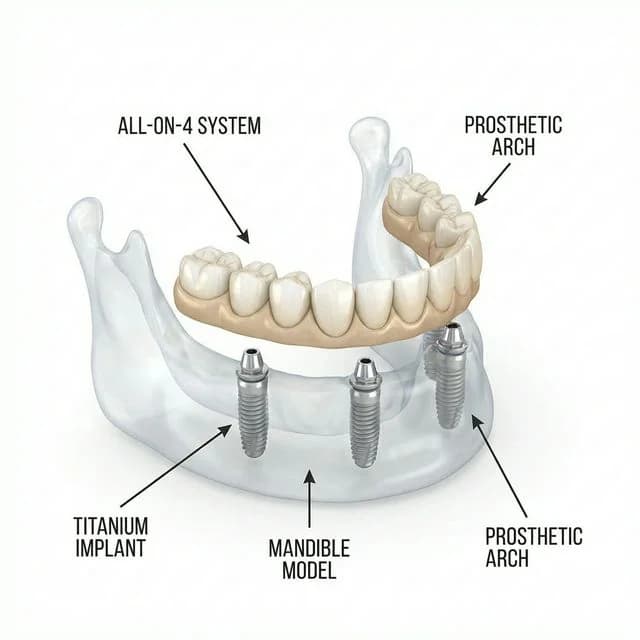
- Multiple implants. Patients receiving multiple implants or full-arch (All-on-4) restorations may experience more swelling and a slightly longer acute recovery phase, though the osseointegration timeline remains similar.
- Medical conditions. Patients with well-controlled diabetes, osteoporosis, or autoimmune conditions may heal more slowly. Dr. Fatima adjusts the treatment timeline accordingly and coordinates with your medical team. Learn more about diabetes and dental care.
- Smoking. Smoking significantly impairs bone healing and is the single greatest modifiable risk factor for implant failure. Patients who smoke are strongly encouraged to quit at least two weeks before and eight weeks after surgery.
Recovery Timeline Summary
Patients from across MetroWest, including Hudson, Framingham, Northborough, Sudbury, and Westborough, consistently tell us that the recovery was easier than they expected. The key is following the post-operative instructions, being patient with the healing process, and communicating with our team if anything feels off.
If you are considering dental implants and want to understand exactly what recovery looks like for your specific situation, Dr. Fatima provides a personalized recovery plan during your consultation. Call Innova Smiles at (508) 481-0110 or book your implant consultation.
Before Your Implant Surgery: How to Prepare
Implant placement at Innova Smiles is done under local anesthetic, so preparing is straightforward — and different from sedation-based instructions you may find elsewhere.
- Eat a normal meal before your appointment. There is no need to fast — fasting applies to IV or general sedation, which we do not use; eating helps you stay comfortable during and after placement.
- Take your usual medications as normal unless Dr. Fatima has told you otherwise. If a course of antibiotics or a rinse was prescribed to start before surgery, follow that schedule exactly.
- If you take a blood thinner, do not stop it on your own — when needed we coordinate the plan with your physician beforehand.
- Bring a photo ID, insurance card, and a current medication and allergy list. Because you are awake and not sedated, you can drive yourself home.
- If a bone graft is placed at the same time as your implant, no extra preparation is needed — it is done during the same visit and follows the same early-healing rules (no straws, no smoking, no disturbing the site).
- Not smoking in the days before and after surgery meaningfully improves healing — tobacco is the most well-documented risk factor for early implant failure. If you wake up unwell, call (508) 481-0110.
What We Use for Your Comfort
- A topical numbing gel before the injection, then local anesthetic so you feel pressure but no pain while staying fully awake and in control.
- DentalVibe vibration eases the injection for anxious patients. We do not use nitrous, oral, or IV sedation — tell us if you feel anxious and we will pace the visit around your comfort.
Medication & Pain Control After Implant Surgery
Take your prescribed pain medication before the numbness wears off — getting ahead of the discomfort makes the first day far easier.
- Ibuprofen (Advil/Motrin) 400–600 mg every 6 hours is preferred for post-op implant pain because its anti-inflammatory action also helps control swelling.
- If Dr. Fatima directs, alternate ibuprofen with acetaminophen (Tylenol) every 3 hours for stronger, round-the-clock relief.
- Apply ice packs to the cheek in 20-minute intervals for the first 48 hours.
- If you take aspirin for cardiovascular or other medical reasons, keep taking it as prescribed — do not stop without asking your physician.
- Pain should ease a little each day. If it increases after day 3 instead of improving, call us.
Before taking ibuprofen or any NSAID, check with Dr. Fatima first if you take a blood thinner or daily aspirin, or have kidney disease, stomach ulcers or a history of GI bleeding, an NSAID or aspirin allergy, heart failure, or are pregnant. Take it with food, follow the specific dose Dr. Fatima gives you, and do not exceed the amount on the package unless she directs otherwise.
When to Call Us — Implant Recovery Warning Signs
Most implant recoveries are smooth, but call Innova Smiles at (508) 481-0110 right away if you notice any of the following:
- Heavy bleeding that does not slow with firm gauze pressure after 30 minutes
- Fever above 101.5°F (38.6°C) that lasts more than 24 hours
- Numbness or tingling that has not resolved after 24 hours
- Severe pain that increases after day 3 instead of improving
- Pus or foul-smelling drainage from the surgical site
- The implant feels loose or mobile
- An allergic reaction to a medication (rash, hives, swelling of the lips or throat)
Call 911 or go to the nearest emergency room immediately if you have heavy uncontrolled bleeding, difficulty breathing or swallowing, or a severe allergic reaction.
This section was reviewed by Dr. Ambereen Fatima, DDS, and reflects guidance from the American Academy of Implant Dentistry (AAID), the American Association of Oral and Maxillofacial Surgeons (AAOMS), and the ADA (see Sources below).
Related Articles
- Am I a Candidate for Dental Implants?
- All-on-4 Dental Implants: Full Mouth Restoration Guide
- Dental Implant Materials: Titanium vs. Zirconia
- Why FICOI & FAAIP Credentials Matter for Implants
- Dentures vs. Implant-Supported Options Compared
Related Services
Sources & Further Reading
- Dental Implants: Care and Maintenance — American Dental Association (ADA)
- Dental Implant Procedures — American Academy of Periodontology (AAP)
- Dental Implants — Patient Resources — American Academy of Implant Dentistry (AAID)
- Oral & Maxillofacial Surgery — Patient Information — American Association of Oral and Maxillofacial Surgeons (AAOMS)
- Implant Care — Oral Health A–Z — American Dental Association — MouthHealthy