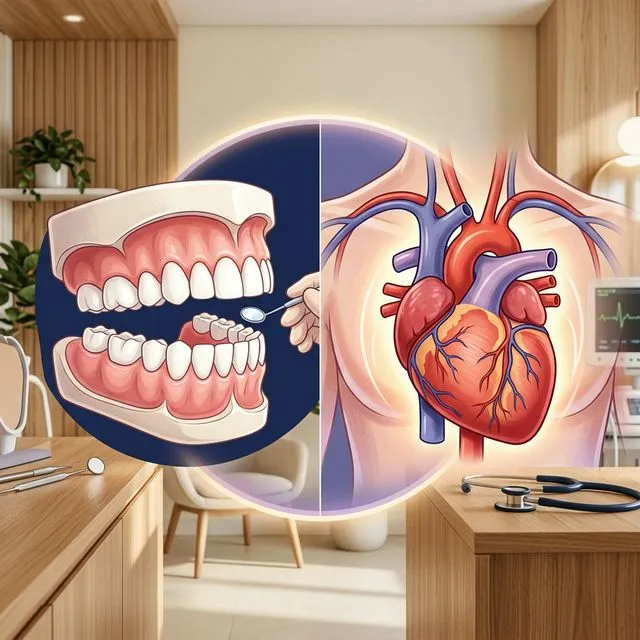

Featured Answer: How does diabetes affect your teeth and gums?
Diabetes, both Type 1 and Type 2, increases your risk of gum disease, dry mouth, slow wound healing, oral infections, and tooth loss. High blood sugar creates an environment where harmful oral bacteria thrive, and it impairs the immune response that normally keeps gum disease in check. The relationship is bidirectional: untreated gum disease also makes blood sugar harder to control.
More than 37 million Americans live with diabetes, and an additional 96 million have prediabetes, according to the Centers for Disease Control and Prevention (CDC). If you are among them, you probably track your blood sugar, watch your diet, and see your endocrinologist or primary care provider regularly. But there is a critical piece of the diabetes management puzzle that many patients overlook: oral health. At Innova Smiles in Marlborough, Dr. Ambereen Fatima sees firsthand how unmanaged diabetes accelerates dental problems, and how periodontal care can support better glycemic control in some patients.
This post explains the science behind the diabetes-oral health connection, walks through the specific dental conditions diabetic patients face, and provides a practical care plan for protecting your smile and your overall health.
The Bidirectional Relationship: How Diabetes and Gum Disease Feed Each Other
The link between diabetes and periodontal (gum) disease is one of the most well-documented connections in medical and dental research. A landmark review published in the Journal of Clinical Periodontology (2018) described it as a "two-way street":
How Diabetes Worsens Gum Disease
- Elevated blood glucose in saliva and gingival fluid creates an ideal growth medium for pathogenic bacteria, particularly Porphyromonas gingivalis and Tannerella forsythia, the primary drivers of periodontitis.
- Impaired neutrophil function. Neutrophils are the white blood cells that form the first line of defense against bacterial infection in the gums. Hyperglycemia reduces their ability to engulf and destroy bacteria, allowing infection to establish and progress more rapidly.
- Increased production of Advanced Glycation End-products (AGEs). When blood sugar is chronically elevated (hyperglycemia), proteins in the body become glycated (sugar-coated). These AGEs accumulate in gum tissue and trigger an exaggerated inflammatory response, accelerating the breakdown of collagen fibers and alveolar bone that support the teeth.
- Microvascular changes. Diabetes damages small blood vessels throughout the body, including those in the gums. Reduced blood flow means less oxygen and fewer immune cells reach the gum tissue, impairing the body's ability to fight infection and repair damage.
How Gum Disease Worsens Diabetes
- Chronic periodontal infection releases inflammatory mediators (including TNF-alpha, IL-6, and C-reactive protein) into the bloodstream. These cytokines increase systemic insulin resistance, making it harder for your body to regulate blood sugar.
- Bacteremia from infected gums. Every time you chew or brush with active gum disease, bacteria enter the bloodstream. This chronic low-grade bacteremia triggers a systemic inflammatory response that compounds insulin resistance.
- A 2020 meta-analysis in Diabetes Care found that non-surgical periodontal treatment (scaling and root planing) reduced HbA1c levels by an average of 0.4% in diabetic patients, a modest but clinically meaningful improvement for some patients.
This is why Dr. Fatima emphasizes to every diabetic patient at Innova Smiles: treating gum disease is not just about saving teeth, it is a sensible part of coordinated diabetes care.
Dry Mouth (Xerostomia): The Silent Accelerator
Dry mouth is one of the most common and underestimated oral complications of diabetes. High blood sugar causes the salivary glands to produce less saliva, and many diabetes medications (including metformin, certain ACE inhibitors, and diuretics) compound the problem.
Saliva is far more than moisture. It serves critical protective functions:
- Neutralizes acids produced by oral bacteria
- Washes away food particles and bacterial debris
- Delivers calcium and phosphate ions that remineralize enamel
- Contains antimicrobial proteins (lysozyme, lactoferrin, immunoglobulin A)
When saliva production drops, the consequences cascade quickly:
- Accelerated tooth decay, especially at the gum line and between teeth
- Increased risk of oral candidiasis (thrush), a fungal infection that causes painful white patches on the tongue and inner cheeks
- Difficulty wearing dentures, saliva creates the suction seal that holds dentures in place
- Altered taste and difficulty swallowing, which can affect nutrition
Managing Dry Mouth
- Stay well hydrated. Sip water throughout the day, especially during meals.
- Use a saliva substitute or oral moisturizing gel (products like Biotene are available at most pharmacies in the Framingham and Marlborough area).
- Chew sugar-free gum containing xylitol, this stimulates saliva production and xylitol inhibits cavity-causing bacteria.
- Avoid alcohol-based mouthwashes, which further dry the oral tissues. Dr. Fatima recommends alcohol-free rinses with fluoride.
- Use a humidifier at night if you sleep with your mouth open.
- Discuss medication alternatives with your physician if dry mouth is severe. Sometimes a simple medication adjustment can make a significant difference.
Impaired Healing: What It Means for Dental Procedures
One of the most clinically significant effects of diabetes on dental care is impaired wound healing. After any dental procedure, from a simple extraction to implant surgery, the body must mount a healing response involving blood clot formation, new blood vessel growth (angiogenesis), collagen deposition, and tissue remodeling. Diabetes disrupts every stage of this process.
Why Healing Is Slower
- Reduced blood flow to the surgical site due to microvascular disease
- Impaired collagen synthesis from AGE accumulation
- Compromised immune response increasing infection risk at the wound site
- Slower angiogenesis (new blood vessel formation)
Practical Implications
- Extractions in poorly controlled diabetic patients carry a higher risk of dry socket (alveolar osteitis) and delayed socket healing.
- Periodontal surgery outcomes are less predictable when HbA1c is above 8%.
- Dental implant osseointegration, the process by which the implant fuses with the jawbone, takes longer and has a higher failure rate in uncontrolled diabetes. However, a 2019 systematic review in the International Journal of Oral and Maxillofacial Implants found that diabetic patients with well-controlled blood sugar (HbA1c below 7-8%) achieve implant success rates comparable to non-diabetic patients.
This is why Dr. Fatima coordinates closely with your endocrinologist or primary care provider before surgical dental procedures. At Innova Smiles, we may recommend:
- Optimizing your HbA1c to below 8% (ideally below 7%) before elective procedures like implant placement
- Scheduling procedures in the morning when blood sugar tends to be most stable
- Prescribing prophylactic antibiotics when indicated
- More frequent follow-up visits during healing
Dental Implants and Diabetes: Are You Still a Candidate?
This is one of the most common questions diabetic patients ask, and the answer is encouraging. Yes, most diabetic patients are excellent candidates for dental implants, provided their blood sugar is reasonably well-controlled.
The key metric is your HbA1c level:
- HbA1c below 7%: Implant success rates are essentially the same as non-diabetic patients (95%+)
- HbA1c 7-8%: Slightly improved risk, but still very good outcomes with careful management
- HbA1c above 8%: Higher complication risk. Dr. Fatima typically recommends working with your medical team to improve control before proceeding
- HbA1c above 10%: Elective implant surgery is generally postponed until better glycemic control is achieved
A comprehensive review in Clinical Oral Implants Research (2021) analyzed over 2,700 implants placed in diabetic patients and concluded that "diabetes per se is not a contraindication for implant therapy, but glycemic control should be optimized prior to treatment."
If you have been told elsewhere that your diabetes makes you ineligible for implants, we encourage you to seek a second opinion. Dr. Fatima's advanced fellowship training (FICOI, FAAIP) includes extensive experience with medically complex implant cases. Read more about implant candidacy factors to learn what we evaluate.
Oral Infections and Thrush
Diabetic patients are significantly more susceptible to oral infections, including:
Oral Candidiasis (Thrush)
High glucose levels in saliva feed Candida albicans, the fungus responsible for thrush. Symptoms include creamy white patches on the tongue, inner cheeks, or roof of the mouth that may be painful or cause a burning sensation. Patients who wear dentures are at even higher risk because the denture surface harbors the fungus. Treatment typically involves antifungal medication (nystatin rinse or fluconazole tablets) combined with meticulous denture hygiene.
Periodontal Abscesses
Diabetic patients develop periodontal abscesses at higher rates than non-diabetic individuals. These painful, swollen areas along the gum line represent acute infection within an existing periodontal pocket. Prompt drainage and antibiotics are essential, followed by definitive periodontal treatment.
Angular Cheilitis
Cracking and redness at the corners of the mouth, often caused by a combination of Candida infection and nutritional deficiency, is more common in diabetic patients with dry mouth.
Your Dental Care Plan as a Diabetic Patient
Managing your oral health with diabetes requires a partnership between you, your dentist, and your medical provider. Here is the framework Dr. Fatima recommends for her diabetic patients at Innova Smiles:
At Home
- Brush twice daily with a soft-bristled electric toothbrush and fluoride toothpaste
- Floss daily, interdental cleaning is especially important because diabetic patients are prone to decay between teeth
- Monitor your gums. Red, swollen, or bleeding gums are not normal. Report these changes at your next visit or call us sooner.
- Manage dry mouth using the strategies outlined above
- Control blood sugar. Your oral health will improve as your HbA1c improves
At the Dental Office
- Visit every 3-4 months rather than the standard 6-month interval. More frequent professional cleanings are the single most effective preventive measure for diabetic patients. The ADA's 2023 clinical practice guidelines specifically recommend shorter recall intervals for patients with diabetes.
- Update us on your medications and HbA1c. Bring your most recent lab results to every appointment. Changes in diabetes medications can affect our treatment planning.
- Comprehensive periodontal evaluations at every visit, including probing depths, attachment levels, and bleeding on probing
- Fluoride treatments to protect against the increased decay risk from dry mouth
With Your Medical Team
- Share your dental records. Ask us for a summary of your periodontal status to share with your endocrinologist. Many physicians are now recognizing that periodontal treatment is a component of comprehensive diabetes management.
- Coordinate timing of dental procedures with your physician, especially if you are on insulin or medications that affect clotting or healing.
Blood Sugar Management Around Dental Appointments
Practical tips for managing blood sugar on the day of dental procedures:
- Eat normally before your appointment unless specifically instructed otherwise. Hypoglycemia (low blood sugar) during a dental visit can cause shakiness, confusion, and fainting, which is more dangerous in the dental chair than slightly improved sugar.
- Take your diabetes medications as prescribed. Do not skip insulin or oral medications unless your physician advises it.
- Bring a glucose source. Keep glucose tablets, juice, or candy in your pocket in case you experience symptoms of low blood sugar during the appointment. Let our team know so we can pause treatment if needed.
- Morning appointments are ideal. Cortisol levels and blood sugar tend to be more stable in the morning, and you are less likely to have skipped a meal.
- Tell us if you feel off. Our team is trained to recognize and respond to both hypoglycemic and hyperglycemic episodes.
The MetroWest Diabetes and Dental Health Connection
Diabetes prevalence in Massachusetts mirrors national trends, with the Massachusetts Department of Public Health reporting that approximately 10% of adults in the state have been diagnosed with diabetes. In MetroWest communities — Hudson, Northborough, Westborough, Sudbury, and beyond, we see patients every week who are managing the intersection of diabetes and dental health.
What we have learned from treating hundreds of diabetic patients is that the ones who do best are those who view dental care not as separate from their diabetes management, but as part of it. Healthier gums can make blood sugar easier to manage for some patients, and better blood sugar control helps gums heal. It is a two-way relationship worth taking seriously.
If you have diabetes and want a dental team that understands the unique challenges you face, we are here for you. Dr. Fatima and the team at Innova Smiles provide comprehensive, medically informed dental care tailored to diabetic patients. Call (508) 481-0110 or schedule your consultation to get started.
Related Articles
- Am I a Candidate for Dental Implants? Key Factors to Consider
- Deep Cleaning vs. Regular Cleaning: Understanding SRP