Featured Answer: What is the best implant option?
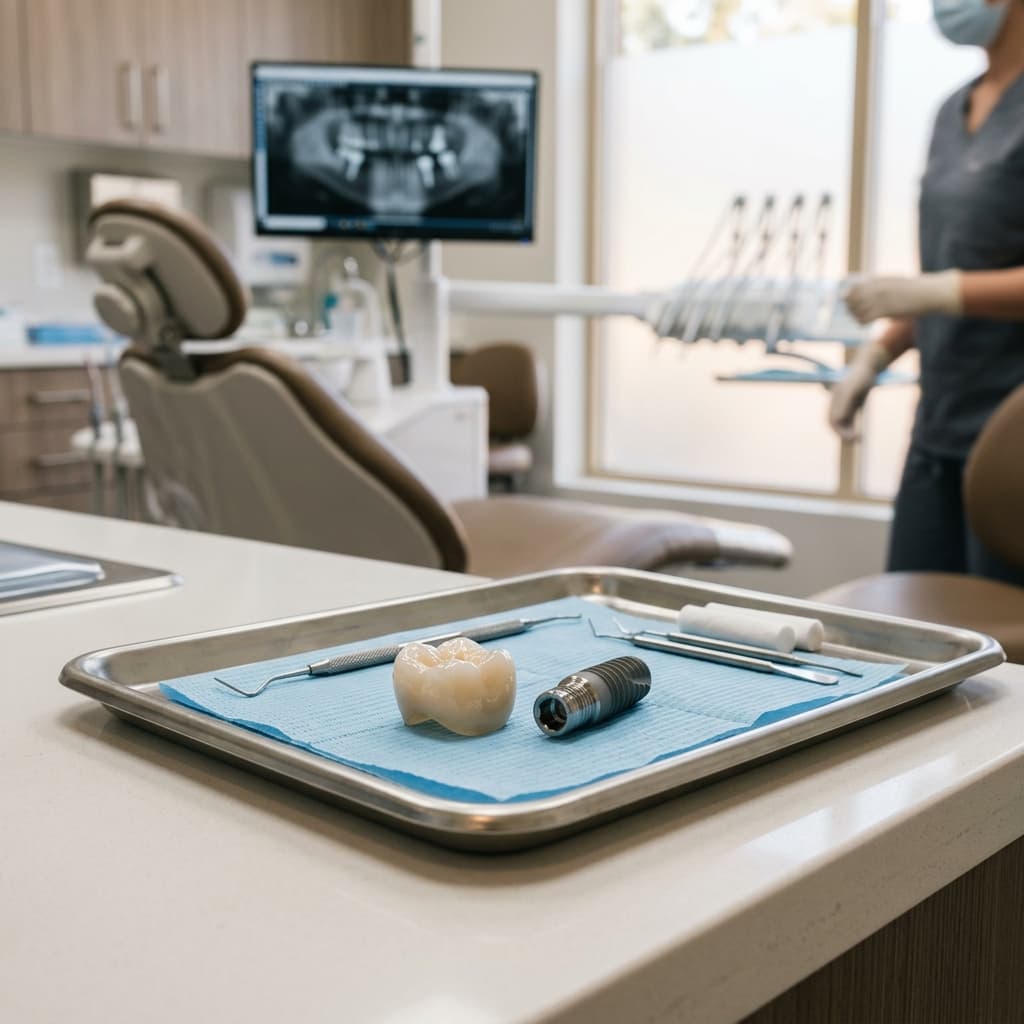
The absolute gold standard for replacing an extracted tooth is a single-tooth dental implant paired with a custom-crafted zirconia or porcelain crown. Unlike older methods, a modern implant replaces both the visible tooth and the underlying root. This preserves your natural jawbone, prevents surrounding teeth from shifting, and delivers a flawless, natural appearance that seamlessly blends with your smile.
Losing a tooth—whether due to an unexpected fracture, severe decay, or a failing root canal—can be an incredibly stressful experience. For image-conscious adults across Marlborough, Sudbury, and Southborough, a missing tooth is more than just a clinical issue; it is a disruption to your confidence, your professional presence, and your daily life.
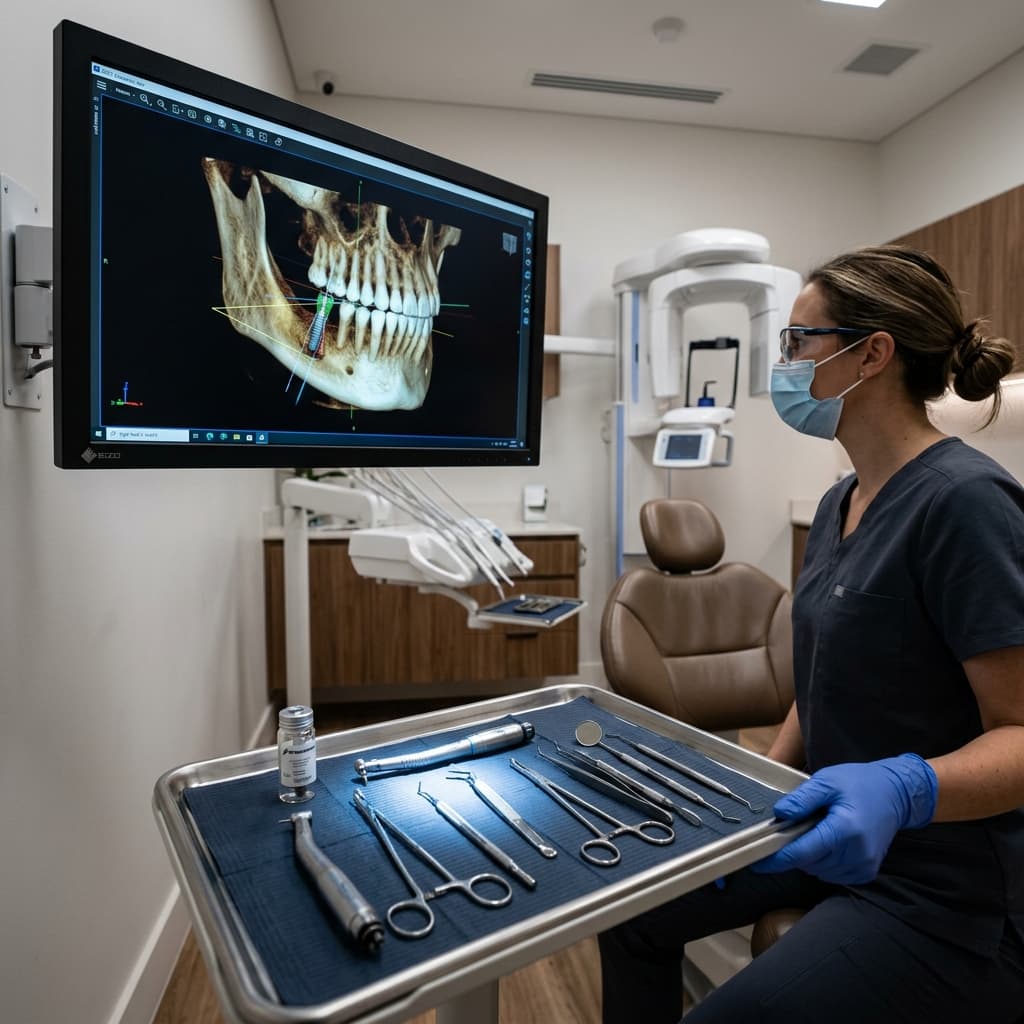
The anxiety of wondering, "Will people notice? Will my smile look fake?" is entirely valid. The good news is that modern implant dentistry has evolved dramatically. At Innova Smiles, we utilize advanced CBCT 3D imaging and meticulously crafted aesthetic materials so that your replacement tooth is virtually indistinguishable from the rest of your smile.
In this comprehensive guide, we will break down the best dental implant options after a tooth extraction, compare restoration types, and map out the exact timeline to get your smile back.
The Aesthetic Impact: Why Immediate Replacement Matters
When you hear the phrase "tooth extraction replacement," your first thought is likely about closing the visible gap. But the aesthetic consequences of a missing tooth go far deeper than the surface.
Your teeth and jawbone exist in a symbiotic relationship. The roots of your teeth stimulate the jawbone during chewing, signaling your body to keep that bone dense and healthy. When a tooth is extracted, that stimulation stops.
What happens if you do not replace the tooth?
- Accelerated Bone Loss (Resorption): Within the first year of extraction, you can lose up to 25% of the bone volume in that area. As the bone melts away, the gum tissue also recedes, creating a visible "dip" or hollow area in your smile line.
- Shifting of Adjacent Teeth: Your remaining teeth will naturally try to close the gap. They will slowly tilt or drift out of alignment, creating new gaps elsewhere and throwing off your bite.
- Premature Facial Aging: Over time, significant bone loss can alter your facial structure, leading to a sunken appearance around the cheeks and mouth.
A dental implant is the only dental restoration option that mimics a natural tooth root, halting bone resorption and preserving your natural facial contours.
Implant Types Comparison: Finding Your Best Fit
Not all tooth replacements are created equal. If you want a result that looks, feels, and functions like a real tooth, you generally have three main options. Here is how they compare for a single missing tooth:
| Feature | Single Tooth Implant (Gold Standard) | Dental Bridge | Removable Partial (Flipper) |
|---|---|---|---|
| Aesthetics | Excellent; emerges naturally from the gums | Good, but can look "connected" at the gumline | Poor to Fair; often features visible metal clasps |
| Bone Preservation | Yes (stimulates the jawbone) | No (bone under the bridge will slowly recede) | No |
| Impact on Other Teeth | None (stands completely independently) | Requires grinding down healthy adjacent teeth | Can cause wear on adjacent teeth over time |
| Longevity | 25+ years to a lifetime | 10 to 15 years on average | 3 to 5 years |
| Feel & Function | Exactly like a natural tooth | Feels connected; requires special flossing | Can slip while speaking or eating |
For adults who refuse to compromise on their image or their long-term oral health, the single tooth implant is the clear winner.
The Best Dental Implant Options for High Aesthetics
When we talk about the "best" implant option, we must look at the materials used. The goal is to avoid the dreaded "gray line" at the gums that was common with older dental work.
1. The Implant Post: Titanium vs. Zirconia
The implant post is the artificial root placed into your jaw.
- Titanium Implants: The industry standard for decades. They offer unparalleled strength, proven long-term implant success rates, and excellent integration with human bone (osseointegration).
- Zirconia (Ceramic) Implants: A newer, metal-free alternative. They are white in color, which completely eliminates the risk of a dark shadow showing through thin gum tissue. While they are highly aesthetic, they are typically reserved for specific cases where patients have metal sensitivities or extremely thin gums.
Dr. Fatima’s Approach: For the vast majority of cases, a titanium implant placed at the correct depth and angle via 3D guided surgery ensures that the metal will never be visible, providing maximum strength with zero aesthetic compromise.
2. The Restorative Crown: Zirconia vs. E.max (Porcelain)
The crown is the visible part of the tooth. This is where artistry meets dentistry.
- Monolithic Zirconia: Incredibly strong and highly resistant to chipping. Modern zirconia can be layered and color-matched to replicate the exact translucency and texture of your adjacent natural teeth.
- E.max (Lithium Disilicate): Known for its stunning, lifelike translucency. It reflects light exactly the way natural dental enamel does, making it a favorite for replacing front teeth (the "smile zone").
Your crown is custom-shaded in a high-end dental laboratory to match the subtle gradients and characterization of your unique smile.
Timing Your Implant: When Does It Happen?
One of the most frequent questions we receive is: "Do I get the implant on the same day my tooth is pulled?"
The timing protocol is entirely dependent on the health of your bone and gum tissue at the time of the tooth extraction.
Option 1: Immediate Placement (Same-Day Implants)
If your tooth is being extracted due to a physical fracture, but the surrounding bone is dense and free of infection, we can often place the implant post immediately after removing the tooth.
- The Advantage: You undergo one surgical procedure instead of two. It also preserves the natural architecture of your gums, preventing the tissue from shrinking while waiting for a later surgery. In select aesthetic cases, a temporary crown can be placed on the same day, ensuring you never leave the office with a visible gap.
Option 2: Early Placement (4 to 8 Weeks Later)
If there is a minor infection or if the gum tissue needs to heal over the socket to create a better environment for the implant, we may wait four to eight weeks. The soft tissue heals beautifully during this window, but significant bone loss has not yet occurred.
Option 3: Delayed Placement with Bone Grafting (3 to 6 Months)
If a tooth has suffered from severe infection or periodontal disease, the surrounding bone is often compromised. In this scenario, we must play the long game to ensure your implant does not fail.
- The Process: We extract the tooth, clean out the infection, and immediately place a bone graft into the empty socket. This graft acts as a scaffold, signaling your body to build strong, new bone. We then wait 3 to 6 months for the area to solidify.
- Why it matters: Placing an implant into weak bone is the leading cause of implant failure. While waiting requires patience, building a solid foundation guarantees a lifetime of beautiful results.
(Note: Even if delayed placement is required, you will never have to go without a tooth. We provide discreet, highly aesthetic temporary solutions to wear while your bone heals.)
The Value of Expert Placement
While dental implants boast a success rate exceeding 95%, that statistic relies heavily on the skill of the clinician. The precise angle, depth, and rotational position of the implant determine how natural the final crown will look as it emerges from your gums.
Dr. Ambereen Fatima holds prestigious dual fellowships (FICOI and FAAIP), representing hundreds of hours of advanced surgical training. We do not "eyeball" implant placement. Every procedure is digitally planned using CBCT 3D imaging to map your bone density, nerves, and sinus cavities. This allows us to use surgical guides for pinpoint accuracy, resulting in faster healing, less post-operative discomfort, and flawless aesthetic outcomes.
Take the Next Step Toward a Complete Smile
You do not have to settle for a bridge that damages your healthy teeth, or a missing tooth that makes you self-conscious in photos and meetings. A single-tooth implant offers a permanent, beautiful restoration that feels like it has always been a part of you.
If you need an extraction or are currently living with a missing tooth, the clock is ticking on your bone health.
Do not let bone loss limit your options. Contact Innova Smiles in Marlborough, MA today. We proudly serve professionals and families from Framingham, Northborough, Westborough, and the entire MetroWest region. We will provide a comprehensive 3D scan, discuss your aesthetic goals, and create a customized timeline to restore your smile flawlessly.
Ready to restore your smile? Call us at (508) 481-0110 or Book Online. We offer transparent pricing, flexible financing options, and a compassionate, judgment-free environment.
Related Reading
Sources & Further Reading
- Gallucci et al. (2018) Clinical recommendations for implant placement and loading protocols — International Journal of Oral & Maxillofacial Implants
- American Academy of Implant Dentistry (AAID) - Single Tooth Replacement — AAID