
Featured Answer: What does your tongue color mean for your health?
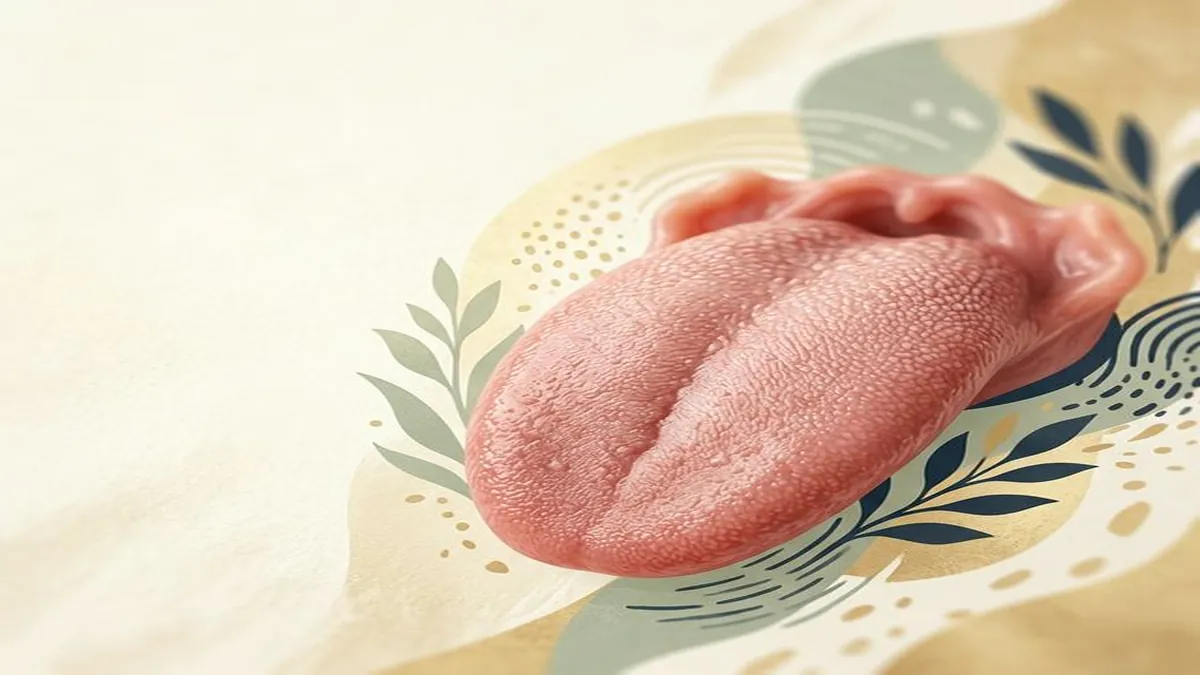
A healthy tongue is pink, moist, and covered with small bumps called papillae. A thin whitish coating is normal and consists of dead cells, bacteria, and food debris that are naturally shed during eating and brushing. When the color, texture, or coating of your tongue changes and stays changed for more than two weeks, it can signal anything from dehydration and vitamin deficiency to oral thrush, anemia, or -- in rare cases -- oral cancer. At Innova Smiles in Marlborough, MA, Dr. Fatima examines the tongue, floor of the mouth, cheeks, palate, and throat during every routine exam. Patients from Hudson, Westborough, and Framingham count on these thorough screenings to catch problems early, when treatment is simplest and most effective.
What a Healthy Tongue Looks Like
Before we discuss what abnormal looks like, it helps to establish the baseline. A healthy adult tongue is:
- Pink. Not bright red, not pale, not white. The color comes from a rich blood supply beneath a thin mucosal lining.
- Covered with papillae. These small bumps give the tongue its slightly rough texture. There are four types: filiform (the most numerous, covering the front two-thirds), fungiform (mushroom-shaped, scattered among the filiform), circumvallate (large, V-shaped row at the back), and foliate (along the sides toward the back). Fungiform papillae contain taste buds.
- Moist. Saliva keeps the tongue hydrated. A persistently dry tongue can indicate dehydration, mouth breathing, medication side effects, or Sjogren's syndrome.
- Thin white film. A light coating of white is normal, especially in the morning before brushing. This is desquamated epithelial cells mixed with oral bacteria and is removed by routine tongue brushing.
- Free of persistent sores, lumps, or discoloration. Occasional bite marks or minor irritations resolve within a few days. Anything lasting longer than two weeks should be evaluated.
Now let us walk through the colors and conditions that can appear when something is not quite right.
White Tongue
A white tongue -- or white patches on the tongue -- is one of the most common changes patients notice. The causes range from benign to clinically significant.
Oral Thrush (Candidiasis)
Oral thrush is a fungal infection caused by Candida albicans, a yeast that normally lives in the mouth in small amounts. When the balance of microorganisms shifts -- due to antibiotic use, inhaled corticosteroids (common in asthma patients), diabetes, immune suppression, or dry mouth -- Candida can overgrow and produce creamy white patches on the tongue, inner cheeks, palate, and throat. The patches can be wiped off with a tongue depressor, often revealing raw, reddened tissue underneath.
Treatment typically involves antifungal medication (nystatin rinse or clotrimazole lozenges). The CDC reports that oral candidiasis affects approximately 5 to 7 percent of infants, is common in denture wearers (especially those who sleep with dentures in), and is more frequent in adults with compromised immune systems.
Leukoplakia
Leukoplakia presents as thick, white patches that cannot be scraped off. Unlike thrush, these patches are embedded in the tissue itself. Most cases of leukoplakia are benign and caused by chronic irritation -- rough tooth edges, ill-fitting dentures, or tobacco use (both smoked and smokeless). However, leukoplakia is considered a potentially premalignant condition. The World Health Organization estimates that 1 to 9 percent of leukoplakia cases undergo malignant transformation, with the risk increasing if the patch has irregular borders, a red component (erythroleukoplakia), or appears on the floor of the mouth or the lateral (side) border of the tongue.
At Innova Smiles, Dr. Fatima monitors leukoplakia carefully and may recommend a biopsy if the appearance is atypical or if the patch changes over time.
Oral Lichen Planus
This chronic inflammatory condition produces lacy white lines (Wickham striae) on the tongue and inner cheeks. It can also appear as red, eroded areas that are painful. Oral lichen planus affects about 1 to 2 percent of the adult population, is more common in women over 50, and has an autoimmune component. While the white reticular form is usually asymptomatic, the erosive form can cause significant discomfort, especially when eating spicy or acidic foods. Treatment focuses on symptom management with topical corticosteroids.
Simple Dehydration or Mouth Breathing
Not every white tongue requires medical intervention. Dehydration thickens saliva and allows a heavier coating of dead cells and bacteria to accumulate on the tongue surface. Mouth breathing during sleep (often caused by nasal congestion or sleep apnea) produces the same effect. Drinking adequate water and brushing or scraping the tongue usually resolves this within days.
Red Tongue
A tongue that turns red -- especially a bright, beefy red -- can indicate several conditions.
Vitamin Deficiencies
A smooth, red tongue (glossitis) is a classic sign of vitamin B12, folate (B9), or iron deficiency. These nutrients are essential for the maintenance and regeneration of the papillae. When levels are low, the papillae atrophy and flatten, making the tongue appear smooth, shiny, and red. The American Journal of Clinical Nutrition has documented glossitis as an early oral sign of B12 deficiency, sometimes appearing before anemia shows up on blood work. If Dr. Fatima notices glossitis during your exam, she may recommend blood work through your primary care physician.
Patients in the MetroWest area -- from Sudbury to Shrewsbury -- sometimes discover nutritional deficiencies through a dental exam that they had no idea about. This is one reason why the oral exam is about so much more than checking for cavities.
Geographic Tongue (Benign Migratory Glossitis)
Geographic tongue is one of the most visually striking -- and most harmless -- tongue conditions. It produces smooth, red patches with raised white borders on the tongue surface, creating a pattern that resembles a topographic map. The patches shift in location over days and weeks, which is why the condition is also called benign migratory glossitis.
Geographic tongue affects 1 to 3 percent of the population, according to the Journal of the American Dental Association. It is not contagious, not premalignant, and not caused by infection. The exact cause is unknown, but there appears to be a genetic component, and flare-ups are sometimes associated with stress, hormonal changes, and certain foods (particularly spicy, acidic, or hot foods). Most people with geographic tongue have no symptoms at all; a minority experience mild burning or sensitivity when eating trigger foods.
No treatment is necessary. If burning occurs, Dr. Fatima may recommend avoiding trigger foods and using a mild topical anesthetic rinse for comfort.
Scarlet Fever
In children, a bright red "strawberry tongue" with prominent, swollen papillae is a hallmark of scarlet fever -- a bacterial infection caused by group A Streptococcus. The tongue initially appears white-coated, then peels to reveal the characteristic red surface. Scarlet fever requires antibiotic treatment (typically penicillin or amoxicillin) and is diagnosed by a physician, but the tongue appearance may be the first thing a parent notices.
Kawasaki Disease
This rare but serious inflammatory condition, primarily affecting children under age five, also produces a red "strawberry tongue" along with fever, rash, swollen lymph nodes, and red eyes. Kawasaki disease requires urgent medical treatment to prevent coronary artery complications. If your child develops a bright red tongue with persistent fever, contact your pediatrician immediately.
Black Hairy Tongue
Black hairy tongue looks alarming but is almost always harmless. The condition occurs when the filiform papillae on the top of the tongue grow longer than normal (they can reach up to 18 mm) and trap bacteria, yeast, food particles, and dead cells. The accumulated debris and chromogenic bacteria (bacteria that produce pigments) stain the elongated papillae brown or black, creating the "hairy" appearance.
Common causes include:
- Antibiotic use (particularly tetracycline), which disrupts the normal oral microbiome and allows pigmented organisms to flourish
- Bismuth-containing medications (Pepto-Bismol), which react with sulfur compounds in the mouth to produce a temporary black discoloration
- Poor oral hygiene -- insufficient brushing, especially neglecting the tongue
- Tobacco use -- both smoked and smokeless
- Excessive coffee or tea consumption
- Dry mouth -- reduced saliva flow means less natural cleansing of the tongue surface
Treatment is straightforward: brush the tongue twice daily with a soft toothbrush (back to front), use a tongue scraper, stay hydrated, and address the underlying cause. The condition typically resolves within a few weeks. A 2019 report in the New England Journal of Medicine featured a memorable case photo that went viral online, bringing widespread (if slightly panicked) public attention to this benign condition.
Yellow Tongue
A yellow coating on the tongue usually represents an early stage of black hairy tongue -- the same process of papillae elongation and bacterial buildup, just without the darker pigmentation. Common causes:
- Bacteria accumulation from poor oral hygiene
- Dry mouth or mouth breathing
- Tobacco use
- Certain foods and beverages (coffee, tea, curry)
Less commonly, a yellow tongue can signal:
- Jaundice. Yellowing of the tongue along with yellowing of the skin and the whites of the eyes (scleral icterus) indicates elevated bilirubin levels and possible liver dysfunction. This requires immediate medical evaluation.
- Psoriasis. Oral psoriasis can produce yellowish-white plaques on the tongue, though this presentation is uncommon.
If improved oral hygiene and tongue brushing do not resolve a yellow tongue within two weeks, or if you notice yellowing of your skin or eyes, see your physician promptly.
Blue or Purple Tongue
A tongue that appears blue, purple, or cyanotic is potentially a sign of a circulatory or respiratory problem and should be taken seriously.
- Central cyanosis -- insufficient oxygen in the blood -- turns mucous membranes (including the tongue) blue. Causes include severe asthma attacks, COPD exacerbations, pneumonia, heart failure, and pulmonary embolism. A blue tongue accompanied by shortness of breath, chest pain, or confusion requires emergency care. Call 911.
- Varicose veins of the tongue (sublingual varices). These are dilated veins on the undersurface of the tongue that appear purple or blue. They are common in adults over 60, associated with aging and sometimes with portal hypertension, and are generally harmless unless they bleed.
- Hemangiomas. Benign vascular tumors can appear as blue-purple raised lesions on the tongue. They are usually congenital and may or may not require treatment depending on size and location.
If you notice a blue tongue without an obvious explanation (like eating blueberries or drinking a blue sports drink), do not wait -- seek medical attention immediately. Central cyanosis can indicate a life-threatening lack of oxygen.
Bumps, Sores, and Lesions on the Tongue
The tongue is susceptible to a variety of bumps and sores, most of which are benign and self-limiting.
Canker Sores (Aphthous Ulcers)
These small, round ulcers with a white or yellow center and red border appear on the tongue, inner cheeks, or lips. They are painful but not contagious (unlike cold sores, which are caused by herpes simplex virus). Canker sores affect about 20 percent of the population, are more common in women, and tend to run in families. Triggers include stress, acidic foods, minor mouth injuries, and hormonal fluctuations. Most heal on their own within 7 to 14 days. Over-the-counter topical treatments containing benzocaine or protective pastes can ease discomfort.
Cold Sores (Herpes Simplex)
Cold sores are caused by herpes simplex virus type 1 (HSV-1) and typically appear as clusters of small fluid-filled blisters on or around the lips. They can occasionally occur on the tongue or hard palate. Cold sores are contagious during the blister phase. Antiviral medication (valacyclovir, acyclovir) can shorten outbreaks. The WHO estimates that roughly two-thirds of the global population under age 50 carries HSV-1.
Transient Lingual Papillitis (Lie Bumps)
These small, painful, inflamed bumps appear suddenly on the tongue surface and resolve within a few days. They are extremely common and thought to result from local irritation, stress, or certain foods. Despite the old wives' tale, they have nothing to do with telling lies.
Traumatic Ulcers
Biting your tongue during eating, grinding your teeth at night, or irritation from a sharp tooth edge or dental appliance can create ulcers that look concerning but heal within one to two weeks once the source of trauma is addressed.
When Bumps Are Concerning: Oral Cancer Warning Signs
Most tongue lumps and sores are benign. But oral cancer can appear on the tongue -- particularly the lateral borders and the undersurface -- and earlier evaluation matters. The American Cancer Society estimates that approximately 60,480 new cases of oral cavity and oropharyngeal cancer will be diagnosed in the United States in 2026.
See your dentist promptly if you notice:
- A sore or ulcer that does not heal within two weeks. This is the single most important warning sign. Benign sores heal. Malignant lesions do not.
- A painless lump or thickening on the tongue, especially on the side or underneath.
- A red or white patch that does not respond to treatment or that grows.
- Numbness or tingling in the tongue that is persistent and has no obvious explanation.
- Difficulty swallowing or a persistent sensation of something caught in the throat.
- Unexplained bleeding from the tongue.
- Ear pain on one side without an ear infection (referred pain from the tongue shares nerve pathways with the ear).
Risk factors for oral cancer include tobacco use (the single greatest risk factor), heavy alcohol consumption (synergistic with tobacco -- the combined risk is 15 times that of non-users), HPV infection (particularly HPV-16), sun exposure (for lip cancer), and age over 55. However, about 25 percent of oral cancers occur in people with no known risk factors, which is why routine screening matters for everyone.
At Innova Smiles, Dr. Fatima performs a visual and tactile oral cancer screening at every hygiene visit. She examines the tongue (top, sides, and underneath), the floor of the mouth, the cheeks, the hard and soft palate, and the back of the throat. Early-stage oral cancer has a five-year survival rate above 80 percent when caught before it spreads. Late-stage diagnosis drops that figure dramatically.
Fissured (Cracked) Tongue
A fissured tongue has deep grooves or cracks running along its surface. It affects 2 to 5 percent of the general population and becomes more common with age. The ADA considers fissured tongue a normal anatomical variation. It is painless, not contagious, and not associated with any systemic disease in most cases (though it can be a feature of Melkersson-Rosenthal syndrome, a rare neurological condition, or Down syndrome).
The only clinical concern with a fissured tongue is that food debris and bacteria can accumulate in the deeper grooves, contributing to halitosis or mild irritation. Brushing the tongue with a soft toothbrush and rinsing with water after meals addresses this effectively.
Tongue Care Tips
Taking care of your tongue is simple and takes less than a minute added to your daily routine:
- Brush your tongue every time you brush your teeth. Use gentle, back-to-front strokes with a soft-bristle toothbrush. This removes the coating of bacteria, dead cells, and food debris that accumulates throughout the day.
- Use a tongue scraper if brushing alone does not keep the coating under control. Tongue scrapers are inexpensive, widely available, and clinical studies (including a 2004 trial in the Journal of Periodontology) show they reduce volatile sulfur compounds (the molecules responsible for bad breath) more effectively than brushing alone.
- Stay hydrated. Adequate water intake supports saliva production, which naturally cleanses the tongue. During New England winters, when heated indoor air dries out mucous membranes, many patients in the MetroWest area notice increased tongue coating and dry mouth -- drinking water throughout the day helps counteract this.
- Avoid excessive alcohol-based mouthwash. Alcohol dries out the oral mucosa and can contribute to a coated or discolored tongue. Alcohol-free mouthwashes are equally effective for freshening breath.
- Do not smoke or use tobacco. Beyond the cancer risk, tobacco stains the tongue, promotes black hairy tongue, impairs taste sensation, and accelerates papillae changes.
- Eat a balanced diet. Fruits, vegetables, and lean proteins provide the B vitamins and iron your tongue needs to maintain healthy tissue. MetroWest farmers' markets -- at the Marlborough and Hudson locations in the summer months -- are a great source of fresh produce that supports oral and overall health.
When to See a Dentist vs. When to Go to the ER
See Your Dentist
- White patches, red patches, or color changes that persist for more than two weeks
- A sore or lump on the tongue that has not healed within two weeks
- Persistent burning or pain on the tongue
- Changes in taste that last more than a few days
- Geographic tongue or fissured tongue causing discomfort
- Black hairy tongue that does not improve with hygiene measures
Call Innova Smiles at (508) 481-0110 to schedule an evaluation. Patients from Southborough, Northborough, and throughout the I-495 corridor are welcome for urgent or routine appointments.
Go to the Emergency Room
- A blue tongue with difficulty breathing, chest pain, or lightheadedness (possible cyanosis -- call 911)
- Rapid swelling of the tongue that compromises breathing or swallowing (possible angioedema or anaphylaxis -- call 911)
- Uncontrolled bleeding from the tongue after trauma
- Tongue swelling accompanied by hives, throat tightness, or a known allergic reaction
Your tongue is one of the first things Dr. Fatima examines at every appointment -- and for good reason. If you have noticed changes in your tongue's color, texture, or sensation, do not ignore them. Call Innova Smiles at (508) 481-0110 or book an appointment online for a thorough evaluation.
Related Articles
Related Services
Sources & Further Reading
- Tongue-cleaning methods: a comparative clinical trial employing a toothbrush and a tongue scraper — Journal of Periodontology / PubMed