Dental-Administered Injectable Therapy for TMJ and Jaw Pain: What You Need to Know
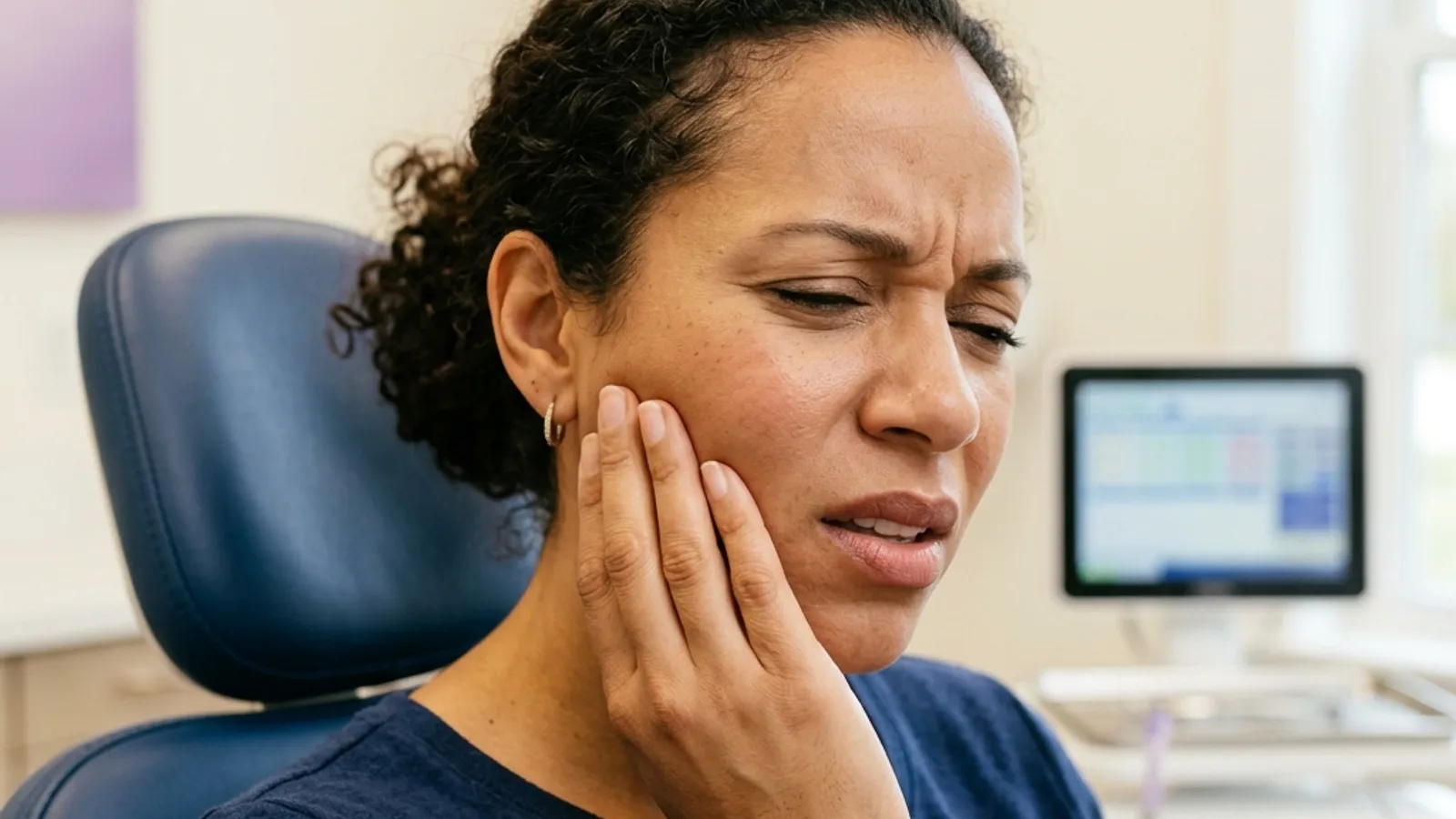
Jaw pain, chronic headaches, and the grinding sound that wakes your partner in the middle of the night, these are common signs of temporomandibular joint (TMJ) disorder and bruxism. The National Institute of Dental and Craniofacial Research (NIDCR) estimates that over 10 million Americans suffer from TMJ disorders, with conditions ranging from mildly inconvenient to fully debilitating. And for patients in Marlborough and the MetroWest area, there is an evidence-informed, non-surgical option available right in the dental chair for selected cases: targeted TMJ-relief therapy injections.
If you've heard of anti-wrinkle injectables for cosmetic use, the mechanism here is the same, but the application is entirely different. Rather than relaxing facial expression muscles for cosmetic purposes, therapeutic injections target the powerful muscles responsible for clenching and grinding, aiming to reduce excess force while preserving normal chewing, speech, and swallowing.
What Is TMJ Disorder, and What Is Bruxism?
The temporomandibular joint (TMJ) is the hinge joint that connects your lower jaw (mandible) to your skull. You have one on each side of your face, just in front of your ears. These joints work in tandem every time you chew, yawn, or speak.
TMJ disorder (TMD) is an umbrella term for dysfunction affecting the joint itself, the surrounding muscles, or both. Common causes include:
- Chronic muscle tension from clenching or grinding
- Joint disc displacement (the cushioning disc inside the joint slips out of place)
- Arthritis affecting the joint
- Jaw trauma or injury
- Malocclusion (teeth that don't fit together properly)
Bruxism is the clinical term for teeth grinding or jaw clenching. It often happens during sleep (sleep bruxism) when you have no conscious control over it, but it can also occur during waking hours, particularly in response to stress. Over time, bruxism wears down tooth enamel, causes tooth fractures, and generates enormous pressure on the TMJ, often triggering or worsening TMD symptoms.
Common Symptoms of TMJ/Bruxism
- Jaw pain or soreness, especially in the morning
- Chronic headaches or migraines (particularly tension headaches at the temples)
- Ear pain or a sensation of fullness in the ears
- Clicking, popping, or grating sounds when opening or closing the mouth
- Difficulty fully opening the mouth or chewing
- Flat, worn, or chipped tooth surfaces
- Enlarged jaw muscles (giving the face a squared appearance)
- Neck and shoulder tension
How Injectable Therapy Works to Relieve TMJ Pain
A muscle-relaxing injectable works by temporarily blocking the nerve signals that tell muscles to contract. When injected into the masseter muscle, the large chewing muscle on the side of your face, it reduces the intensity and force of jaw clenching without eliminating normal function.
Here's the key distinction: the goal is to reduce excessive clenching while preserving everyday chewing. The masseter muscle is significantly more powerful than it needs to be for comfortable eating. The injection reduces the muscle's maximum contractile force, which can lower the extreme pressure that damages teeth and strains the TMJ while still allowing normal function for appropriate candidates.
The same principle applies to the temporalis muscle (the fan-shaped muscle at your temple) and the medial pterygoid (an internal jaw muscle). For patients with widespread jaw tension or referred headache pain, injections at multiple sites can address the full pattern of dysfunction.
Conditions Treated with Therapeutic Injections
TMJ Pain and Joint Dysfunction
By reducing the load on the temporomandibular joint from excessive muscle force, the neuromodulator may reduce pain and inflammation, particularly in patients whose TMD is primarily driven by muscle hyperactivity rather than structural joint damage.
Sleep Bruxism (Nighttime Teeth Grinding)
This is one of the most common applications. Patients who grind through night guards, or who can't tolerate wearing a guard, often find that masseter injections provide relief that appliances alone cannot achieve.
Awake Bruxism (Daytime Clenching)
Stress-related daytime clenching is notoriously difficult to treat because patients often aren't consciously aware they're doing it. The injectable reduces muscle engagement even when the clenching is unconscious.
Tension Headaches and Migraines
According to research published in the journal Headache, the masseter and temporalis muscles, when chronically overactive, can contribute to tension-type headaches and may trigger migraines in susceptible patients. Relaxing these muscles can produce meaningful headache reduction for some patients, a benefit separate from cosmetic use.
Jaw Clicking and Locking
In cases where clicking and locking are driven by muscle imbalance and tension rather than structural disc pathology, the injection may reduce the mechanical forces contributing to joint noise and restricted opening.
Masseter Hypertrophy (Enlarged Jaw Muscles)
Chronic clenchers often develop visibly enlarged masseter muscles that create a wide, squared jawline. Repeated treatment causes the muscle to gradually slim down over several months, a therapeutic benefit with an incidental cosmetic result.
What the Procedure Involves
Targeted TMJ-relief therapy for TMJ at Innova Smiles is a brief, in-office treatment performed by Dr. Fatima. Here's what to expect:
The Consultation
Before any injection, Dr. Fatima conducts a thorough evaluation: she'll assess your bite, palpate your jaw muscles to identify areas of tension and tenderness, review your symptoms and history, and determine whether this approach is appropriate or whether other treatments, or a combination, are indicated.
The Injection Appointment
- Duration: 15–30 minutes
- Needles used: Very fine, short needles similar to those used in cosmetic injectable treatments
- Units administered: Typically 20–50 units per masseter (40–100 units total for both sides), with additional units for temporalis or other sites if needed. The precise dose depends on muscle mass and the severity of symptoms.
- Discomfort: Most patients describe mild discomfort, comparable to a brief pinch. Topical numbing cream can be applied beforehand.
- Downtime: None. You can return to normal activities immediately.
What Not to Do After Treatment
- Avoid rubbing or massaging the injection sites for 24 hours
- Stay upright for 4 hours post-injection (no lying flat)
- Avoid strenuous exercise for the rest of the day
- Avoid very hard or chewy foods for the first day
Results: When Will You Feel Relief?
The treatment does not produce instant results. The injectable requires time to take effect as it progressively reduces muscle activity:
- Days 3–5: Initial reduction in muscle tension; some patients notice less morning jaw soreness within the first week
- Days 7–14: Stronger effect on muscle contractile force; grinding intensity may decrease noticeably
- Weeks 2–4: Full therapeutic effect; many patients experience meaningful reduction in pain, headaches, and grinding
- Duration: Effects typically last 3–6 months, after which the nerve-muscle connection gradually restores and re-treatment is needed
With repeated treatments, some patients find that their symptoms become less severe between sessions, possibly because the reduced muscle activity breaks the chronic tension cycle and allows the joint to heal.
Cost of Targeted TMJ-relief therapy for TMJ at Innova Smiles
The cost of therapeutic muscle-relaxing injections for TMJ treatment at Innova Smiles runs $125–$1,500 per treatment plan — the top is our standard fee, the low end what a plan-covered patient typically pays — depending on the number of units required and the number of injection sites. Most patients need 40–80 units total for a standard bilateral masseter treatment.
Insurance coverage: Most dental and medical insurance plans do not cover the treatment for TMJ as a first-line option, though some medical plans (not dental plans) may cover it when other treatments have failed and medical necessity is documented. We can provide documentation to support a medical insurance claim on your behalf.
Financing: CareCredit and Cherry financing are accepted at Innova Smiles, making it easy to spread the cost over time.
Given that a single session often provides 3–6 months of effect and may reduce the frequency of TMJ- or bruxism-related flareups, many patients find it cost-effective compared to repeatedly managing the damage from untreated clenching.
Injectable Therapy vs. Night Guards: Which Is Better?
This is a common question, and the honest answer is: they work differently, and for many patients, they work best together.
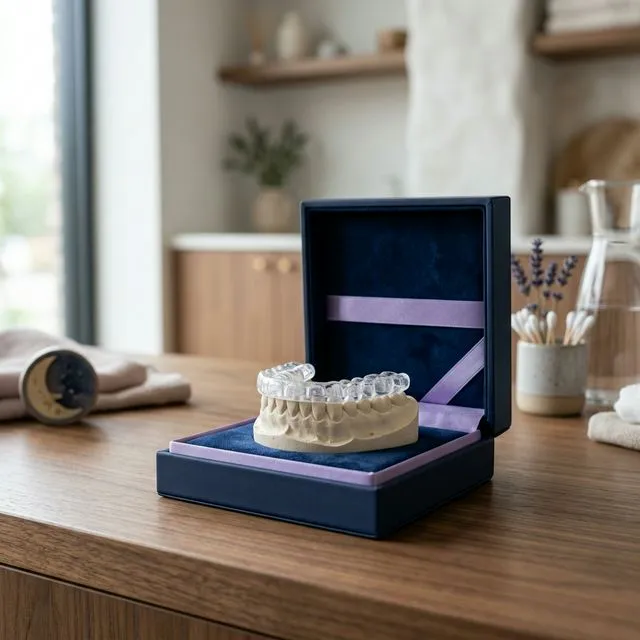
A night guard (occlusal splint) is a custom-fabricated acrylic appliance worn over the teeth during sleep. It protects tooth surfaces from wear and distributes some of the force of grinding, but it may not reduce the underlying muscle activity driving the clenching.
A muscle-relaxing injectable, by contrast, reduces the force your muscles can generate. It addresses the muscle-force driver rather than only protecting teeth from the downstream result.
For patients with severe bruxism, combining both approaches is often ideal: the injection reduces grinding force while a night guard provides a physical barrier for the nights when the injectable's effect is tapering off. For patients who cannot tolerate wearing a guard, injectable therapy may be considered after a full exam and discussion of alternatives.
Dr. Fatima's Experience with Targeted TMJ-relief therapy
Dr. Ambereen Fatima has completed advanced training in therapeutic muscle-relaxing injectable and dermal filler administration, with a focus on orofacial applications. As a dentist, she brings detailed anatomical knowledge of the facial muscles, nerves, and bony landmarks that guide precise injection planning.
Injectable therapy for TMJ is not a cosmetic sideline at Innova Smiles, it's an integrated part of how we treat patients with orofacial pain. Dr. Fatima combines it with a comprehensive approach to bite analysis, occlusal therapy, and patient education so that treatment addresses the whole picture, not just the symptoms.
Is Therapeutic Injectable Treatment Right for You?
You may be a good candidate for masseter injections if you:
- Have been diagnosed with TMJ disorder or bruxism by a dentist
- Experience chronic jaw pain, morning headaches, or muscle soreness in the face and temples
- Grind through or cannot tolerate wearing a night guard
- Have visibly worn tooth surfaces that your dentist attributes to grinding
- Have enlarged masseter muscles (visible jaw squaring)
- Have tried other conservative treatments (night guard, physical therapy, anti-inflammatory medications) with limited relief
You may not be a candidate if you:
- Are pregnant or breastfeeding
- Have a neuromuscular disease (myasthenia gravis, ALS, Lambert-Eaton syndrome)
- Are taking certain antibiotics (aminoglycosides) that can interact with the muscle-relaxing injectable
- Have an active infection at the planned injection site
A thorough medical and dental history review at your consultation will confirm your candidacy.
Frequently Asked Questions
Q: Will the injectable change the way my face looks? For many patients, the change is subtle and often considered a positive side effect: gradual slimming of an overly square or bulky jaw profile as the masseter muscle reduces in volume. Treatment is planned to preserve normal facial expression, smiling, and speech.
Q: Does the injection hurt? Most patients describe the discomfort as minimal, a brief pinch at each injection site. The needles used are very fine, and the procedure is over in minutes. If you're concerned about sensitivity, we can apply a topical numbing cream beforehand.
Q: How many treatments will I need? Most patients start with a single treatment and return every 3–6 months as the effects wear off. Over time, some patients find they can extend the interval between treatments as chronic muscle patterns improve.
Q: Is the injectable FDA-approved for TMJ? As documented in a 2023 systematic review in the Journal of Oral Rehabilitation, muscle-relaxing injections for TMJ and bruxism represent an off-label use of an FDA-approved drug, meaning the medication is FDA-approved, but not specifically labeled for TMJ treatment. This is used in clinical practice in dentistry and medicine, with a growing body of evidence supporting selected orofacial pain cases. Off-label use of approved medications is common across all medical specialties.
Q: Can I get therapeutic and cosmetic treatment at the same visit? Yes. Dr. Fatima also offers anti-wrinkle injectables and dermal filler treatments, and many patients choose to address therapeutic and cosmetic goals in the same appointment. This can be a practical and convenient option.
Book Your TMJ Injectable Therapy Consultation at Innova Smiles in Marlborough
If jaw pain, chronic headaches, or teeth grinding are affecting your quality of life, targeted TMJ-relief therapy may be a fit, without surgery, without extensive downtime, and often with improvement within a few weeks.
At Innova Smiles, your consultation with Dr. Fatima includes a comprehensive evaluation of your jaw muscles, bite, and symptoms, along with a clear treatment recommendation and cost estimate before you commit to anything.
Call us at (508) 481-0110 or book your appointment online at innovasmiles.com. We serve Marlborough, Hudson, Northborough, Westborough, and all of MetroWest Massachusetts.
Related Articles
- Why Your Dentist Is the Expert for Facial Aesthetics
- Jaw Pain and Night Guards: TMJ Relief Guide
- Teeth Grinding and Night Guards Guide
Related Services
How our pricing works
TMJ therapy & facial aestheticsOur fee range$125–$1,500
- The fee covers the procedure as planned at your exam. Anything your case adds is written into your estimate before treatment, never after.
- Some medical and dental plans cover therapeutic TMJ treatment when there is documented medical necessity; when yours does, you pay the plan's negotiated fee, which is what the low end of this range reflects. Without coverage, our membership plan takes a flat 20% off.
- 0% APR financing is available through CareCredit or Cherry, with nothing down.*
- No insurance? Our in-house membership plan (from $395/yr) includes your preventive care and takes a flat 20% off our standard fee for this treatment.
- The top of the range is our standard fee; the low end is what a patient whose plan covers the treatment typically pays before their share is applied.
- Your exact fee is confirmed in writing at your visit, after your exam and after we have checked your insurance — never a surprise afterward.
- Patients aged 65 and older get 10% off all dental treatments. Mention it when booking and we'll apply it automatically.
*0% APR financing is provided by third-party lenders (e.g. CareCredit, Cherry), not by Innova Smiles, and is subject to credit approval; not all applicants qualify. Your cost, term, and monthly payment depend on your treatment plan and approved offer, and are confirmed in writing at your consultation.
Sources & Further Reading
- Temporomandibular Disorders (TMD) - NIDCR Health Information — National Institute of Dental and Craniofacial Research (NIDCR), NIH
- Effect of muscle-relaxing injectable therapy on muscular temporomandibular disorder: A systematic review and meta-analysis of randomized controlled trials — Journal of Oral Rehabilitation / PubMed