
Featured Answer: Is charcoal toothpaste safe for your teeth?
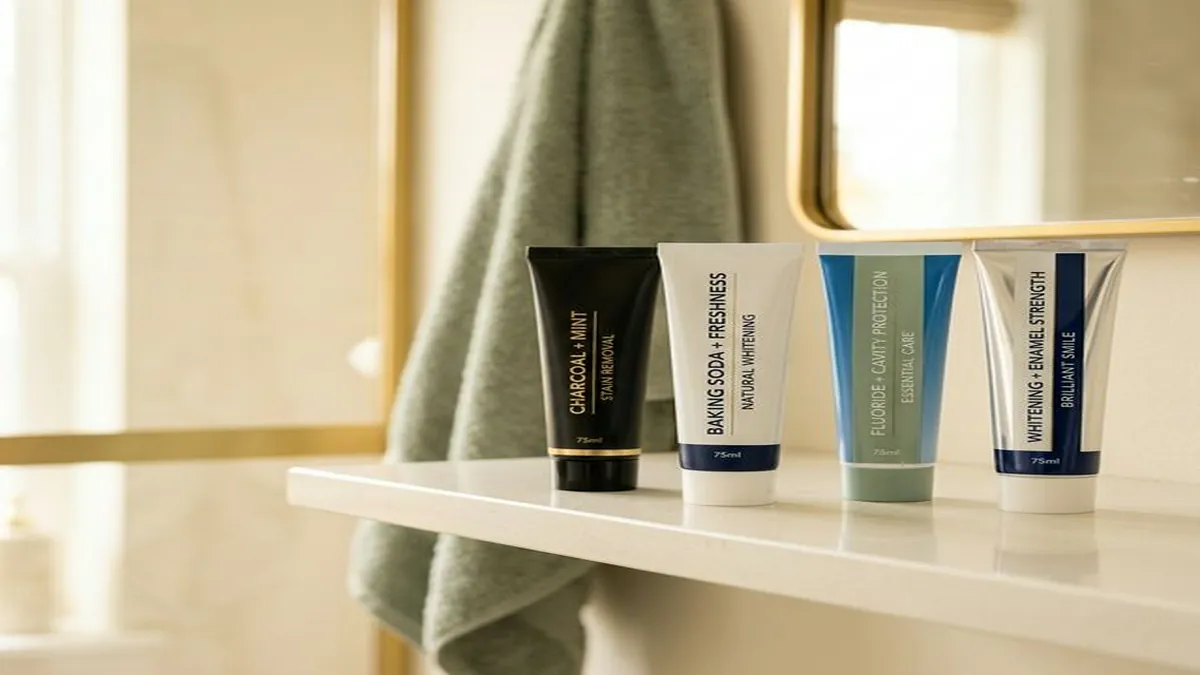
Charcoal toothpaste is unlikely to cause immediate damage with occasional use, but it carries real risks with regular use and does not deliver the whitening results social media promises. A 2019 systematic review published in the British Dental Journal analyzed all available literature on charcoal dental products and concluded that there is no scientific evidence supporting the whitening claims made by charcoal toothpaste manufacturers. The review also found that most charcoal toothpastes do not contain fluoride, meaning they leave out the single most evidence-backed ingredient for cavity prevention.
At Innova Smiles in Marlborough, I see patients from Framingham, Sudbury, Northborough, and across MetroWest who have spent months using charcoal products expecting whiter teeth and are surprised when the opposite happens. The abrasive particles in charcoal toothpaste gradually wear down enamel, the thin, translucent white outer layer of your teeth. As enamel thins, the yellow dentin layer underneath shows through more prominently. The result: teeth that look darker, not lighter, after extended charcoal use.
This post breaks down the most popular DIY whitening trends by what the research actually says, not what influencers claim.
Charcoal Toothpaste: The Full Story
What activated charcoal actually is
Activated charcoal is carbon that has been treated with heat and gas to create millions of tiny pores on its surface, giving it an enormous surface area for absorption. In medicine, activated charcoal is used in emergency departments to treat certain types of poisoning, it absorbs toxins in the digestive tract before they enter the bloodstream. That medical use is well-documented and effective for specific poisons when administered within the first hour of ingestion.
The leap from "absorbs poisons in the stomach" to "whitens teeth in the mouth" is marketing, not science. Absorption and whitening are fundamentally different processes. Tooth stains are caused by chromogens (colored compounds from coffee, tea, wine, tobacco) that bind to the proteins in the enamel pellicle, a thin organic film on the tooth surface. Removing these stains requires either chemical oxidation (bleaching with peroxide) or mechanical abrasion (scrubbing them off). Charcoal works as an abrasive, not a chemical whitener.
The RDA problem
Every toothpaste has a Relative Dentin Abrasivity (RDA) score that measures how aggressively it wears down tooth structure. The ADA considers RDA scores below 250 to be safe for daily use, with the following general categories:
| RDA Range | Classification | Examples |
|---|---|---|
| 0-70 | Low abrasion | Sensodyne, most children's toothpaste |
| 70-100 | Medium abrasion | Regular Colgate, Crest |
| 100-150 | High abrasion | Whitening toothpastes (Crest 3D White) |
| 150-250 | Highly abrasive | Smoker's toothpastes |
| 250+ | Above ADA limit | Some charcoal toothpastes (unregulated) |
The problem with many charcoal toothpastes is that their RDA scores are unknown because they have not been tested through the ADA's evaluation process. A 2017 study in the Journal of the American Dental Association (JADA) reviewed 50 charcoal dental products and found that only 8 percent had undergone any form of clinical testing. Without RDA testing, you have no way of knowing whether the charcoal product you are using falls within a safe abrasivity range.
Products with high RDA scores strip enamel over time. This damage is irreversible, enamel does not regenerate. Once it is worn down, it is gone permanently, exposing the softer, more yellow dentin beneath and increasing sensitivity to hot, cold, and sweet stimuli.
The fluoride gap
The 2019 British Dental Journal review found that only 8.6 percent of the charcoal toothpastes surveyed contained fluoride. This is a significant concern. Fluoride is the most thoroughly researched and consistently effective ingredient for preventing tooth decay. A 2010 Cochrane systematic review of 79 trials involving over 73,000 participants found that fluoride toothpaste reduced cavity incidence by 24 percent compared to non-fluoride toothpaste.
By choosing a charcoal toothpaste without fluoride, you are trading the most proven cavity-prevention ingredient for an unproven whitening claim. That is a poor trade.
No ADA Seal of Acceptance
As of 2027, no charcoal toothpaste has been granted the ADA Seal of Acceptance. The Seal requires the manufacturer to submit clinical evidence of both safety and efficacy, and no charcoal product has met this standard. The ADA has explicitly stated that it "has not found enough clinical evidence to support the safety and effectiveness claims of charcoal dental products."
Baking Soda: The One DIY Ingredient With Some Merit
Baking soda (sodium bicarbonate) occupies a different category from charcoal. It is a mild abrasive with a relatively low RDA score (approximately 7 for pure baking soda), and it has a modest but real evidence base for stain removal.
A 2017 meta-analysis published in JADA reviewed five randomized controlled trials and found that baking soda toothpastes were significantly more effective at removing plaque than non-baking soda toothpastes. Several commercial toothpastes (Arm & Hammer being the most well-known) incorporate baking soda and carry the ADA Seal of Acceptance.
Baking soda also has a mildly alkaline pH (approximately 8.3), which can help neutralize bacterial acids in the mouth. Unlike charcoal, baking soda does not strip enamel at the same rate, and unlike many DIY trends, there is actual peer-reviewed evidence supporting its use.
The caveat: Using straight baking soda powder as a toothpaste substitute is not the same as using a formulated baking soda toothpaste. Commercial baking soda toothpastes contain fluoride, controlled concentrations of baking soda, and other ingredients that protect enamel. Dipping a wet toothbrush into a box of baking soda and scrubbing aggressively can still cause abrasion damage, particularly to exposed root surfaces and areas of existing enamel wear.
If you want the benefits of baking soda, use an ADA-accepted toothpaste that includes it as an ingredient, not the raw powder from your kitchen.
Apple Cider Vinegar: A Definitive No
Apple cider vinegar (ACV) has a pH of approximately 2.5 to 3.0, roughly equivalent to stomach acid. For reference, enamel begins dissolving at pH 5.5. Applying a substance with a pH of 2.5 directly to your teeth is the dental equivalent of soaking them in acid.
A 2014 study published in Clinical Laboratory investigated the erosive potential of apple cider vinegar on extracted human teeth and found significant enamel loss after just four hours of exposure. While most people do not hold ACV on their teeth for four hours, the cumulative effect of daily swishing, rinsing, or applying ACV as a "whitening treatment" causes measurable erosion over weeks and months.
The supposed whitening effect from ACV is real, but it is not actually whitening. The acid etches and dissolves the outermost layer of enamel, temporarily making teeth appear lighter because the stained surface layer is stripped away. This is damage, not whitening. The teeth become structurally weaker, more porous, and more susceptible to future staining.
Patients from Westborough and Hopkinton who enjoy ACV for its potential digestive or metabolic benefits should drink it diluted, through a straw, followed by a water rinse, and never hold it in their mouth or apply it directly to teeth.
Hydrogen Peroxide Rinses: Nuance Required
Hydrogen peroxide is the active ingredient in virtually all professional whitening systems. The question is concentration and contact time.
- Professional in-office whitening uses 35 to 40 percent hydrogen peroxide applied under clinical conditions with gum protection, controlled contact time, and post-treatment fluoride.
- Professional take-home trays use 10 to 15 percent carbamide peroxide (which breaks down to approximately 3.5 to 5 percent hydrogen peroxide) applied in custom-fitted trays for 30 minutes to several hours daily.
- Drugstore whitening strips use 6 to 14 percent hydrogen peroxide.
- The brown bottle in your medicine cabinet is 3 percent hydrogen peroxide.
Swishing briefly with 3 percent hydrogen peroxide (the common drugstore concentration) is not harmful, it is actually used in some ADA-accepted mouthwashes at 1.5 percent concentration. But brief swishing does not keep the peroxide in contact with tooth surfaces long enough, at a high enough concentration, to produce meaningful bleaching of intrinsic stains. You might notice modest surface stain improvement, but deep stain removal requires the sustained, controlled contact that professional systems deliver.
The risk with DIY peroxide use is overuse. Some patients, frustrated by slow results, increase the frequency or duration of peroxide application beyond safe limits. Prolonged or frequent exposure to hydrogen peroxide can irritate gum tissue, cause tooth sensitivity, and damage the dental pulp (nerve) in severe cases.
Turmeric Paste: Stains More Than It Whitens
Turmeric contains curcumin, a bright yellow-orange compound used as a spice and a dye. There is no clinical evidence that turmeric whitens teeth. The logic, that turmeric's anti-inflammatory properties might somehow translate to whitening, does not hold up scientifically. Anti-inflammatory activity and bleaching activity are completely different mechanisms.
What turmeric does extremely well is stain things yellow. Curcumin permanently discolors porous materials, including composite fillings, dental bonding, and the margins of porcelain restorations. If you have any tooth-colored restorations, turmeric paste will stain them yellow while doing nothing to lighten your natural enamel.
Strawberry and Baking Soda: Tested and Disproven
The "strawberry whitening hack", mashing a strawberry with baking soda and applying it to teeth, gained popularity after some high-profile social media endorsements. The theory is that malic acid in strawberries acts as a natural bleaching agent.
A 2015 study published in Operative Dentistry directly tested this claim. Researchers applied strawberry-baking soda mixtures to extracted human teeth over a 10-day treatment protocol and compared results to professional whitening products. The findings were clear:
- The strawberry mixture produced no significant whitening compared to untreated control teeth.
- The malic acid in strawberries softened enamel surfaces without producing a bleaching effect.
- Professional whitening products (10 percent carbamide peroxide) produced significant, measurable whitening.
The malic acid in strawberries has a pH of approximately 3.0 to 3.5. Like apple cider vinegar, it causes acid erosion, not whitening. Any perceived lightening is the result of enamel loss, not stain removal.
Oil Pulling: No Whitening Evidence
Oil pulling, swishing coconut or sesame oil for 15 to 20 minutes, has some limited evidence for modest plaque reduction, but there is zero clinical evidence that it whitens teeth. Some patients report that their teeth "look brighter" after oil pulling, which may be attributable to reduced plaque (which has a yellowish tint) rather than any change in the actual color of the tooth enamel.
We cover oil pulling in detail in a separate post, but the whitening claim can be addressed briefly: oil has no chemical mechanism to oxidize or break down chromogen molecules embedded in enamel. It cannot whiten teeth any more than swishing water can.
What Actually Works: Professional Whitening Options
After reviewing the evidence against DIY methods, here is what the science supports for safe, effective tooth whitening:
In-office professional whitening
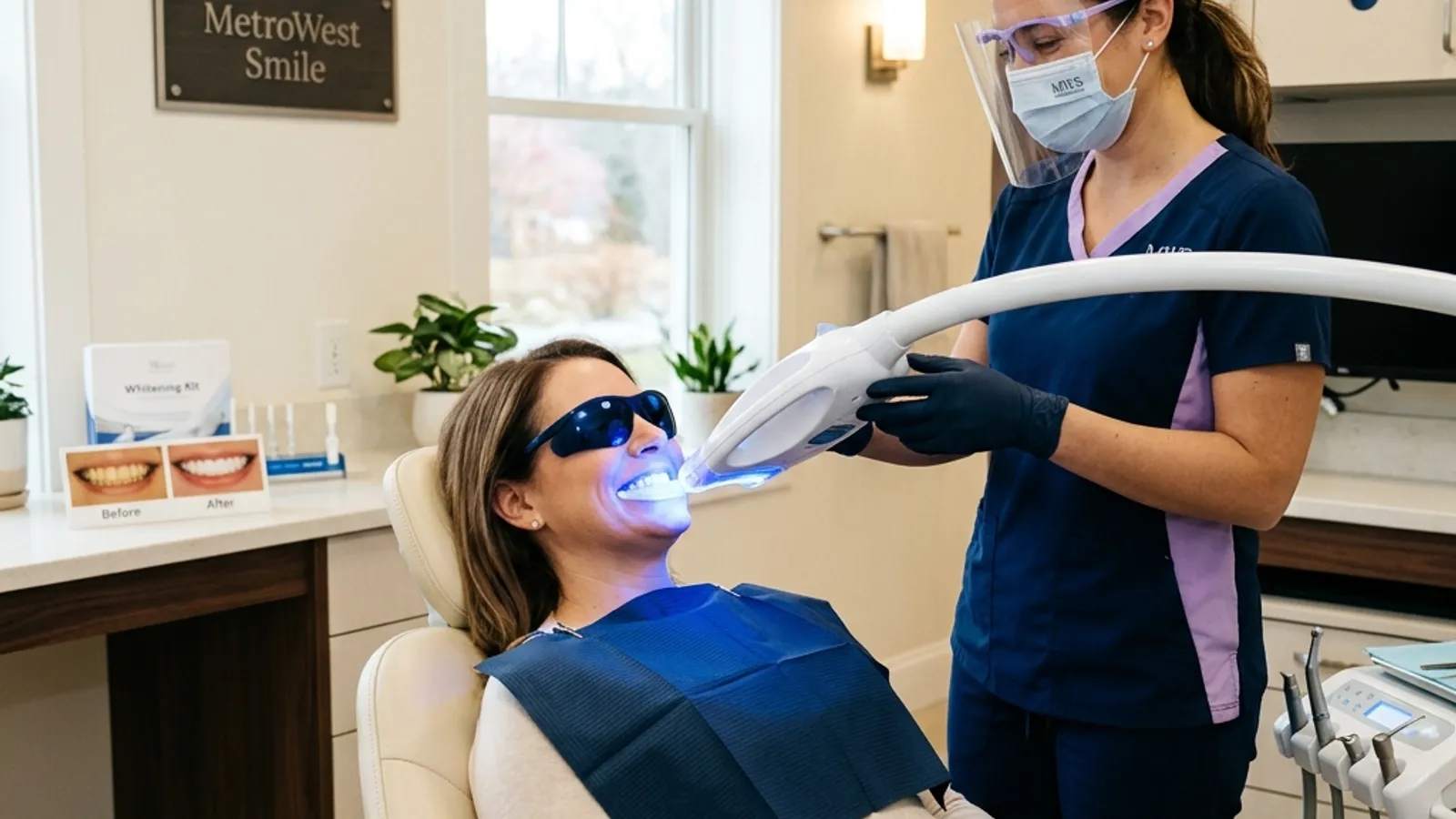
- How it works: 35 to 40 percent hydrogen peroxide gel is applied to the teeth under clinical supervision. The gums are protected with a barrier material. The gel remains in contact with the teeth for three to four 15-minute application cycles. Some systems use LED or laser light to accelerate peroxide decomposition, though a 2018 systematic review in the Journal of Dentistry (Maran et al.) found that light-activated in-office bleaching does not improve color change or affect tooth sensitivity compared with bleaching without light.
- Results: 3 to 8 shades of improvement in a single 60-to-90-minute appointment.
- Longevity: Results typically last 1 to 3 years depending on dietary habits, tobacco use, and maintenance.
- Cost: $400 to $650 at Innova Smiles.
- Safety: Professionally supervised, with gum protection and post-treatment fluoride. The most common side effect is temporary tooth sensitivity lasting 24 to 48 hours.
Custom take-home trays
- How it works: Custom trays are fabricated from impressions of your teeth, ensuring precise fit and even gel distribution. The patient fills the trays with 10 to 15 percent carbamide peroxide gel and wears them for 30 minutes to 2 hours daily (or overnight, depending on the formulation) for 1 to 4 weeks.
- Results: Comparable to in-office results, achieved gradually over days to weeks.
- Longevity: Similar to in-office results, with the added advantage that trays can be reused for periodic touch-ups with refill gel.
- Cost: $250 to $400 at Innova Smiles, with refill gel available for $25 to $50 per syringe.
- Safety: Lower peroxide concentration reduces sensitivity risk. Custom tray fit prevents gel from contacting gums.
ADA-accepted whitening strips
- How it works: Thin, flexible strips coated with 6 to 14 percent hydrogen peroxide are applied to the front teeth for 30 minutes to 2 hours daily for 1 to 3 weeks.
- Results: 1 to 4 shades of improvement, primarily affecting the six front teeth that the strip covers.
- Longevity: 3 to 6 months before noticeable regression.
- Cost: $30 to $60 per box at retail pharmacies.
- Safety: Generally safe when used as directed. Look for the ADA Seal of Acceptance, which indicates the product has been tested for both safety and efficacy. Crest Whitestrips is the most widely recognized ADA-accepted brand.
Complete Comparison: Every Method at a Glance
| Method | Does It Whiten? | Safe for Enamel? | ADA Endorsed? | Cost | How Long It Lasts |
|---|---|---|---|---|---|
| In-office professional | Yes (3-8 shades) | Yes | Yes | $400-$650 | 1-3 years |
| Custom take-home trays | Yes (3-8 shades) | Yes | Yes | $250-$400 | 1-3 years |
| ADA-accepted strips | Modest (1-4 shades) | Yes | Some brands | $30-$60 | 3-6 months |
| Baking soda toothpaste | Mild surface stain removal | Yes (formulated products) | Some brands | $3-$8 | Ongoing with use |
| Charcoal toothpaste | No proven whitening | No (long-term risk) | No | $5-$15 | N/A |
| Apple cider vinegar | No (causes erosion) | No (highly acidic) | No | $3-$8 | N/A |
| Hydrogen peroxide rinse | Minimal at 3% | Neutral (brief use) | At 1.5% in mouthwash | $1-$3 | N/A |
| Turmeric paste | No | Stains restorations | No | $5-$10 | N/A |
| Strawberry + baking soda | No (disproven in study) | No (acid erosion) | No | $2-$5 | N/A |
| Oil pulling | No | Yes (no harm) | No | $8-$15 | N/A |
The ADA Seal of Acceptance: What It Means and Why It Matters
The ADA Seal of Acceptance is not a rubber stamp. Manufacturers must submit clinical data demonstrating both safety and efficacy, undergo a rigorous review by the ADA Council on Scientific Affairs, and maintain ongoing compliance. Products are evaluated on their active ingredient concentrations, manufacturing quality, labeling accuracy, and clinical trial results.
For whitening products specifically, the ADA requires evidence that the product produces measurable whitening (using standardized shade guides) without causing unacceptable damage to tooth structure or soft tissues. Products that merely remove surface stains through abrasion are categorized differently from those that chemically bleach intrinsic stains.
When choosing any dental product, toothpaste, mouthwash, whitening strips, or whitening toothpaste, the ADA Seal is the simplest way to confirm that the product has been independently evaluated by qualified scientists. It is not a guarantee of the best product in every category, but it is a guarantee that the product does what it claims to do without causing harm when used as directed.
My Recommendation to Patients
When patients at Innova Smiles ask about DIY whitening methods they have seen on TikTok or Instagram, my answer is consistent: save your money and your enamel. The social media whitening hacks either do not work, actively damage your teeth, or both. The methods that actually whiten teeth safely all involve peroxide at controlled concentrations with appropriate contact time, and the safest, most effective versions involve professional supervision.
If cost is a concern, ADA-accepted whitening strips are a reasonable starting point for mild staining. For moderate to severe discoloration, custom take-home trays from your dentist offer the best balance of effectiveness, safety, and long-term value (since the trays last for years with refill gel available at low cost). For immediate results before an event, a MetroWest wedding, a Natick graduation, a milestone birthday, in-office whitening delivers dramatic results in a single visit.
The one thing I ask every patient to avoid: any method that strips enamel in the name of whitening. Enamel loss is permanent, and the irony of most DIY whitening hacks is that they ultimately make teeth look worse, not better.
Curious about safe, professional whitening options? Call Innova Smiles at (508) 481-0110 or schedule a consultation. We serve patients across Marlborough, Framingham, Sudbury, Westborough, and the greater MetroWest area.
Related Articles
- Teeth Whitening Myths Patients Still Believe
- Professional Teeth Whitening: Results, Cost & Options
- Professional Whitening vs. Store-Bought Kits
Related Services
Sources & Further Reading
- Charcoal-containing dentifrices — British Dental Journal
- Charcoal and charcoal-based dentifrices: A literature review — Journal of the American Dental Association
- Efficacy of do-it-yourself whitening as compared to conventional tooth whitening modalities: an in vitro study — Operative Dentistry