
Featured Answer: Which Thanksgiving foods are worst for your teeth?
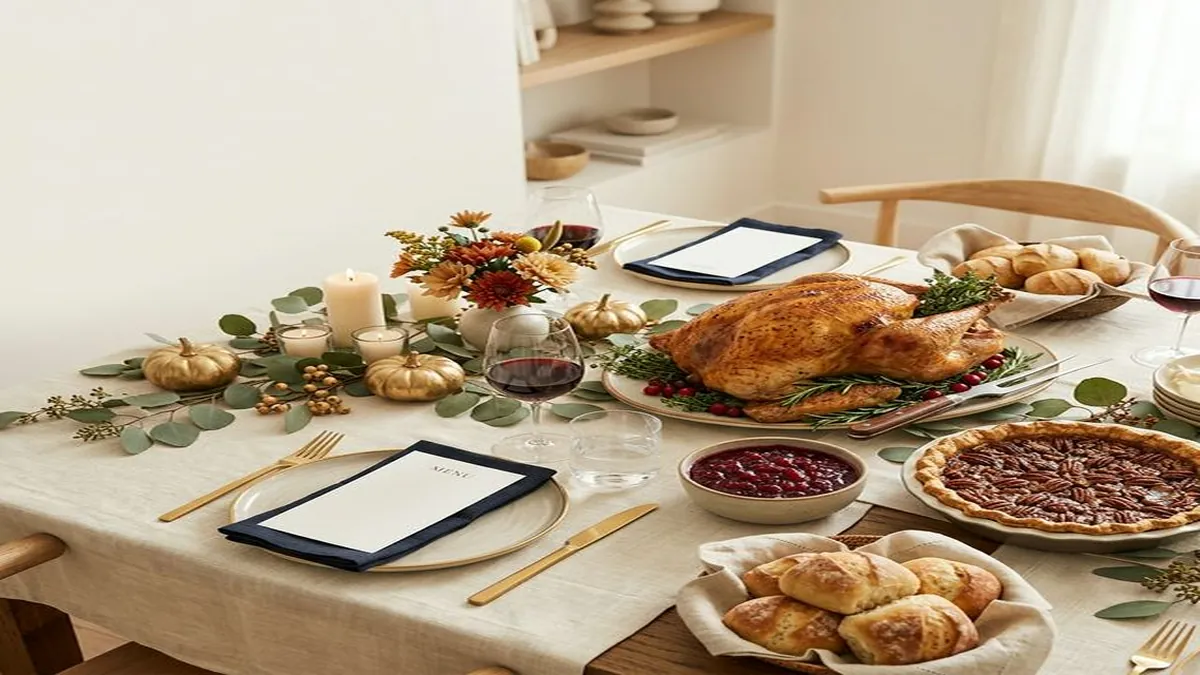
The worst Thanksgiving foods for your teeth are cranberry sauce (extremely acidic with a pH of 2.3 to 2.5), candied yams with marshmallow topping (sticky sugar that clings to enamel), pecan pie (concentrated sugar in a sticky, chewy filling), starchy dinner rolls (refined carbohydrates that pack into molar grooves and break down into sugar), and red wine (acid plus tannins that stain and erode). The best move is to drink water between courses, end the meal with cheese from the appetizer board, and wait 30 minutes after eating before brushing.
A Perfect Storm for Your Enamel
Thanksgiving dinner is one of the most anticipated meals of the year, and from a dental perspective, one of the most challenging. The typical spread combines every category of food that puts enamel at risk: high sugar, high acid, sticky textures, refined starches, and deeply pigmented liquids. Add in the fact that most families spend two to four hours at the table, grazing continuously, and you have the ideal conditions for sustained acid attacks on tooth enamel.
None of this means you should skip the feast. But understanding which dishes cause the most damage, and knowing a few simple swaps and timing strategies, can make a real difference for your teeth without taking away any of the enjoyment.
Here in MetroWest Massachusetts, Thanksgiving is a big deal. Families gather from across the region, apple cider flows freely, and the cranberry sauce often comes from bogs just an hour away on Cape Cod. This guide ranks the traditional Thanksgiving foods from worst to best for your dental health and gives you practical alternatives for the dishes that cause the most trouble.
The Thanksgiving Damage Rankings
1. Cranberry Sauce — The Acid Bomb
Cranberry sauce is the single worst offender on the Thanksgiving table, and it catches most people by surprise. Fresh cranberries are intensely tart because they are loaded with citric, malic, and quinic acids. The pH of canned cranberry sauce ranges from 2.3 to 2.5, roughly as acidic as a lemon. For reference, tooth enamel begins to dissolve at a pH below 5.5.
On top of the extreme acidity, cranberry sauce is also loaded with sugar. A quarter-cup serving of canned cranberry sauce contains about 22 grams of sugar, more than a Reese's Peanut Butter Cup. The sugar feeds Streptococcus mutans and other cavity-causing bacteria, which produce additional acid as a metabolic byproduct. The combination of dietary acid and bacterial acid is a double hit that enamel cannot easily recover from.
Cranberries also contain intensely pigmented compounds called proanthocyanidins that stain tooth enamel. Anyone who has tried to remove cranberry sauce from a white tablecloth knows how persistent the stain is, the same chemistry applies to teeth.
Safer swap: Fresh cranberry relish made with whole cranberries, orange zest, and a small amount of maple syrup. It is still tart, but the sugar is dramatically reduced. Alternatively, incorporate fresh cranberries into a green salad with walnuts and goat cheese, the cheese buffers the acid, and the reduced sugar exposure means less fuel for bacteria.
2. Candied Yams and Sweet Potato Casserole with Marshmallows
This holiday classic is essentially dessert masquerading as a vegetable. The marshmallow topping melts into a sticky, sugar-saturated layer that adheres to tooth surfaces and resists being washed away by saliva. The sweet potatoes underneath are already naturally high in sugar, and most recipes add brown sugar, butter, and sometimes corn syrup to the mix.
The stickiness is the real problem. When sugar-laden marshmallow adheres to the biting surfaces and between teeth, it creates a prolonged acid attack that can last 30 to 40 minutes, far longer than a food that dissolves quickly.
Safer swap: Roasted sweet potatoes with olive oil, rosemary, and a pinch of sea salt. You keep the flavor and nutritional value of the sweet potato while eliminating the sticky sugar coating. Roasting actually caramelizes the natural sugars in a way that tastes indulgent without adding external sweeteners.
3. Pecan Pie
Pecan pie filling is made from corn syrup, sugar, butter, and eggs, it is essentially a sugar syrup with nuts suspended in it. A single slice contains approximately 32 grams of sugar, which exceeds the American Heart Association's daily recommendation for adults (36 grams for men, 25 grams for women).
The filling is sticky and tends to lodge in the grooves of molars and between teeth. Even thorough rinsing does not fully dislodge it. The pecans themselves are fine for teeth, nuts are low in sugar, promote saliva production, and provide calcium and phosphorus. The problem is everything surrounding them.
Safer swap: Pumpkin pie. While still a dessert, pumpkin pie contains significantly less sugar per slice (approximately 22 to 30 grams, depending on the recipe) and has a smooth, non-sticky texture that rinses away more easily. The pumpkin filling also provides vitamin A and fiber. If you love the pecan flavor, sprinkle chopped pecans on top of a pumpkin pie slice for the best of both.
4. Dinner Rolls and White Bread Stuffing
Refined carbohydrates like white dinner rolls and bread-based stuffing may not taste sweet, but they break down into simple sugars rapidly once salivary amylase goes to work. A dinner roll is essentially a sugar delivery system in disguise.
The soft, doughy texture is particularly problematic because it packs into the grooves and fissures of molar teeth, creating a compressed mass of starch that bacteria feast on for an extended period. Stuffing made from white bread cubes behaves the same way, especially when it absorbs gravy and becomes extra sticky.
Safer swap: Whole grain rolls or sourdough bread, which break down more slowly and produce less of a blood sugar (and oral pH) spike. For stuffing, a wild rice or quinoa-based dressing provides the savory, herby flavors of traditional stuffing without the sticky refined starch.
5. Red Wine
Red wine delivers a triple threat to teeth: acidity (pH of 3.0 to 3.5), sugar (residual sugars in most wines), and deep pigmentation from tannins and anthocyanins. The acid softens enamel, and the tannins then penetrate the softened surface, leaving stains that are difficult to remove with brushing alone.
The risk increases with prolonged sipping. A glass of wine consumed over an hour exposes the teeth to acid continuously, preventing saliva from returning the mouth to a neutral pH. Thanksgiving dinners that stretch over several hours, with wine accompanying each course, magnify this effect.
Safer swap: Sparkling water with a splash of cranberry juice is festive without the staining and acidity of wine. If you do drink red wine, alternate sips with water, which rinses acid and pigment from tooth surfaces. Here in New England, locally pressed apple cider is a popular Thanksgiving alternative, it is acidic (pH around 3.3 to 3.5), but has less staining potential and is typically consumed in smaller quantities. Choose pasteurized cider over sparkling hard cider, which adds alcohol-related drying effects.
6. Dried Fruit in Stuffing and Side Dishes
Dried cranberries (Craisins), raisins, dried apricots, and other dried fruits are common in Thanksgiving stuffing, salads, and side dishes. Dried fruit is highly concentrated in sugar, raisins contain about 59 grams of sugar per 100 grams, and the dehydration process leaves them sticky enough to adhere to tooth surfaces for extended periods.
From a dental standpoint, dried fruit behaves almost identically to gummy candy. The stickiness creates prolonged sugar exposure, and the small pieces wedge between teeth where saliva cannot reach.
Safer swap: Fresh apple slices or pomegranate seeds. Both add color, sweetness, and texture to stuffing or salads without the stickiness. Fresh fruit contains water that helps rinse sugar from tooth surfaces, and the fibrous texture of apple slices provides a mild mechanical cleaning action.
Foods That Are GOOD for Your Teeth at Thanksgiving
Not everything on the Thanksgiving table is an enemy of enamel. Several traditional dishes actually support dental health.
Turkey
Turkey is an excellent food for teeth. It is high in phosphorus, an essential mineral that works alongside calcium to strengthen and repair tooth enamel. Turkey also provides protein, which supports gum tissue health, and it does not contain sugar or acid. The chewing action required for turkey stimulates saliva production, which is the mouth's primary defense against acid and bacterial growth.
The Cheese Board
If your Thanksgiving starts with a cheese and cracker appetizer spread, your teeth are getting a head start. Cheese is one of the most protective foods for dental health. It contains casein, a protein that forms a protective film on enamel surfaces. Cheese also stimulates saliva production, raises the pH in the mouth (neutralizing acid), and delivers calcium and phosphorus that aid in enamel remineralization.
A 2013 study published in General Dentistry (the journal of the Academy of General Dentistry) found that eating cheese raised the pH on tooth surfaces significantly, while eating yogurt and milk did not have the same effect. The mechanical action of chewing cheese appears to be part of the benefit.
Pro tip: End your Thanksgiving meal with a few cubes of cheddar or Swiss cheese. This neutralizes the acid from everything you just ate and coats your teeth with protective casein proteins.
Green Bean Casserole (Hold the Fried Onions)
Green beans are fibrous, low in sugar, and require chewing, all of which promote saliva production and provide a mild cleaning action on tooth surfaces. The cream of mushroom soup base is relatively neutral for teeth. The fried onion topping, while delicious, adds refined starch and oil; using sauteed fresh onions is a simple swap.
Raw Vegetable Tray (Crudites)
Carrots, celery, broccoli, and bell peppers provide mechanical cleaning as you chew, the fibrous texture scrubs tooth surfaces in a way that softer foods cannot. Celery in particular acts as a natural dental floss, pushing food particles from between teeth. Raw vegetables also stimulate saliva flow and are virtually sugar-free.
Mashed Potatoes
Plain mashed potatoes are relatively neutral for teeth. They are soft (no mechanical cleaning benefit), but they are also not sticky, acidic, or high in sugar. Potatoes provide potassium, vitamin C, and vitamin B6. The real dental risk comes from what you put on them, butter and gravy are fine, but adding excessive salt can contribute to dry mouth over time.
The Grazing Problem: Why Timing Matters More Than Quantity
One of the biggest dental risks at Thanksgiving has nothing to do with any specific food, it is the pattern of continuous eating that defines the holiday meal.
Here is the science. Every time you eat or drink something other than plain water, bacteria in your mouth produce acid. The mouth's pH drops below the critical threshold of 5.5, and enamel begins to demineralize. Saliva gradually neutralizes the acid and brings the pH back to a safe level, but this process takes approximately 20 to 30 minutes.
| Eating Pattern | Acid Attacks | Time in Demineralization |
|---|---|---|
| One meal consumed in 30 minutes | 1 attack | ~30 minutes |
| Same food grazed over 3 hours | 6-10 attacks | ~3+ hours |
| Thanksgiving dinner (continuous 2-4 hrs) | Continuous | Entire duration |
During a typical Thanksgiving dinner, appetizers at 2:00 PM, dinner at 3:30, dessert at 5:00, leftovers at 7:00, the mouth may never return to a neutral pH for the entire afternoon and evening. That means enamel is in a sustained state of demineralization for four to five hours straight.
The practical takeaway: if you must graze (and on Thanksgiving, most of us will), rinse with water between courses. This dilutes acid, washes away sugar, and gives saliva a fighting chance to do its repair work.
Practical Tips for Thanksgiving Day
These strategies do not require willpower, sacrifice, or skipping your favorite dishes. They are small adjustments that meaningfully reduce the dental impact of the meal.
-
Drink water between every course. A glass of water after cranberry sauce, a glass after dinner, a glass after pie. Water rinses acid and sugar from tooth surfaces and supports saliva production.
-
Wait 30 minutes after eating before brushing. This is counterintuitive, but brushing immediately after an acidic meal can actually damage enamel. Acid temporarily softens the outermost layer of enamel; brushing while it is softened can abrade it away. After 30 minutes, saliva has re-hardened the surface and brushing is safe.
-
Chew sugar-free gum with xylitol after the meal. Xylitol is a sugar alcohol that bacteria cannot metabolize, they starve rather than produce acid. Chewing gum also stimulates saliva production, which accelerates the return to a neutral pH. The ADA Council on Scientific Affairs recognizes the oral health benefits of xylitol-containing gum.
-
End the meal with cheese. As described above, cheese raises oral pH, delivers calcium, and coats enamel with protective casein. A few cubes of sharp cheddar after pumpkin pie is a tradition worth starting.
-
Use a straw for acidic beverages. Drinking cider, wine, or cranberry cocktails through a straw directs the liquid past the teeth, reducing contact with enamel surfaces. It may look a little unusual at the Thanksgiving table, but your enamel will thank you.
-
Floss before bed. After a day of eating, food particles lodge between teeth where a toothbrush cannot reach. Flossing before your bedtime brushing removes these deposits and prevents bacteria from feasting on trapped sugars for eight uninterrupted hours while you sleep. This single step may be the most impactful thing you do for your teeth all day.
A New England Thanksgiving Angle
Here in MetroWest Massachusetts, Thanksgiving has a distinctly local flavor. Many families visit the cranberry bogs on Cape Cod in October, and those fresh cranberries make their way into relishes and sauces across Marlborough, Framingham, and Natick dining tables. Fresh cranberry relish, made by pulsing whole cranberries with orange zest in a food processor, is a regional favorite that happens to be significantly less sugary than canned jellied cranberry sauce.
Apple cider is another New England Thanksgiving staple. The orchards in Stow, Harvard, and Bolton produce some of the best cider in the state, and many families serve it alongside or in place of wine. While cider is acidic (pH around 3.3 to 3.5), it is typically consumed in smaller quantities than wine and does not stain teeth. Choose pasteurized cider over hard cider, and follow each glass with water.
And then there is the New England tradition of the post-Thanksgiving walk. Local options include the Assabet River Rail Trail in Hudson and Marlborough, the loop around Farm Pond in Sherborn, or the Sudbury River trails, getting outside after the meal is good for digestion, good for stress, and good for your teeth. Physical activity stimulates saliva production, and the fresh November air is a welcome antidote to the warm, indulgent torpor of the Thanksgiving table.
Post-Thanksgiving Dental Care
The days after Thanksgiving are a smart time to get back to baseline with your oral hygiene routine.
- Resume your normal brushing and flossing schedule immediately. Two minutes of brushing with fluoride toothpaste, twice daily, plus daily flossing.
- Be cautious with leftovers. The same grazing pattern that makes Thanksgiving hard on teeth can repeat for days with leftover pie, stuffing, and cranberry sauce in the refrigerator. Eat leftovers as part of a defined meal rather than snacking on them throughout the day.
- Schedule a cleaning. Late November and early December are ideal for a dental cleaning. If Thanksgiving indulgences have left surface stains (especially from red wine or cranberry sauce), a professional polishing will remove them before the December holiday season adds more. Families from Westborough, Shrewsbury, Southborough, and across MetroWest can call (508) 481-0110 to book a post-Thanksgiving appointment.
- Consider professional whitening. If years of coffee, wine, and holiday foods have left your smile looking dull, Thanksgiving-to-New Year's is a popular window for professional whitening. Results are visible in a single appointment, and you will head into the holiday photo season with a brighter smile.
A Thanksgiving Dental Scorecard
Here is a quick-reference ranking of common Thanksgiving foods, from worst to best for your teeth:
| Food | Acid | Sugar | Stickiness | Staining | Overall Dental Rating |
|---|---|---|---|---|---|
| Cranberry sauce (canned) | Very High | Very High | Moderate | High | Avoid or limit |
| Candied yams w/ marshmallows | Low | Very High | Very High | Low | Avoid or limit |
| Pecan pie | Low | Very High | High | Low | Limit |
| Dinner rolls (white) | Low | Moderate | High (packs in grooves) | Low | Limit |
| Red wine | High | Moderate | Low | Very High | Limit |
| Dried fruit (in stuffing) | Moderate | Very High | Very High | Moderate | Limit |
| Pumpkin pie | Low | Moderate | Low | Low | Better choice |
| Apple cider | High | Moderate | Low | Low | Moderate |
| Green bean casserole | Low | Low | Low | Low | Good |
| Mashed potatoes | Low | Low | Low | Low | Good |
| Turkey | None | None | None | None | Excellent |
| Cheese board | None | None | None | None | Excellent |
| Raw vegetable tray | None | None | None | None | Excellent |
Questions about protecting your smile through the holiday season? Call (508) 481-0110 or schedule an appointment online.
Related Articles
Related Services
Sources & Further Reading
- Dietary Acids and Your Teeth — American Dental Association (MouthHealthy)
- Diet and Dental Health — American Dental Association (MouthHealthy)
- Cavities — American Dental Association (MouthHealthy)