Featured Answer: What is the average Spark timeline?
Many mild cases finish in about 6 to 8 months, moderate cases often take 9 to 14 months, and complex bite corrections may require 15 months or longer. Your exact Spark aligner timeline depends on biology, case complexity, and consistent wear -- about 22 hours per day. At Innova Smiles in Marlborough, we use 3D digital scanning to map out every stage of treatment before your first aligner tray is fabricated, so you will know what to expect from day one.
If you are a busy professional along the I-495 corridor or a parent in MetroWest MA looking to straighten teeth without metal brackets, the timeline question is the first one that matters. This guide gives you clinical detail -- not marketing fluff -- so you can plan around your real schedule.
See your projected Spark timeline: Call (508) 481-0110 or book a free consultation for a 3D simulation of your case.
During the consultation, Dr. Fatima also evaluates your periodontal health, checks for active decay, and reviews any TMJ concerns. A 2021 study in the Journal of Dental Research found that untreated periodontal inflammation can slow orthodontic tooth movement by up to 30 percent, so clearing these issues first protects both your timeline and your results. If cavities or gum inflammation are present, we address those before beginning aligner therapy -- a step that prevents mid-treatment delays.
For patients traveling from Northborough, Shrewsbury, or Grafton, the initial consultation is typically 45 to 60 minutes and includes the scan, digital simulation, and a clear cost breakdown so there are no surprises.
Fabrication typically takes two to three weeks from the date of your scan. During this waiting period, we schedule any prerequisite care -- fillings, deep cleanings, or attachment placement planning -- so active treatment starts the moment your aligners arrive.
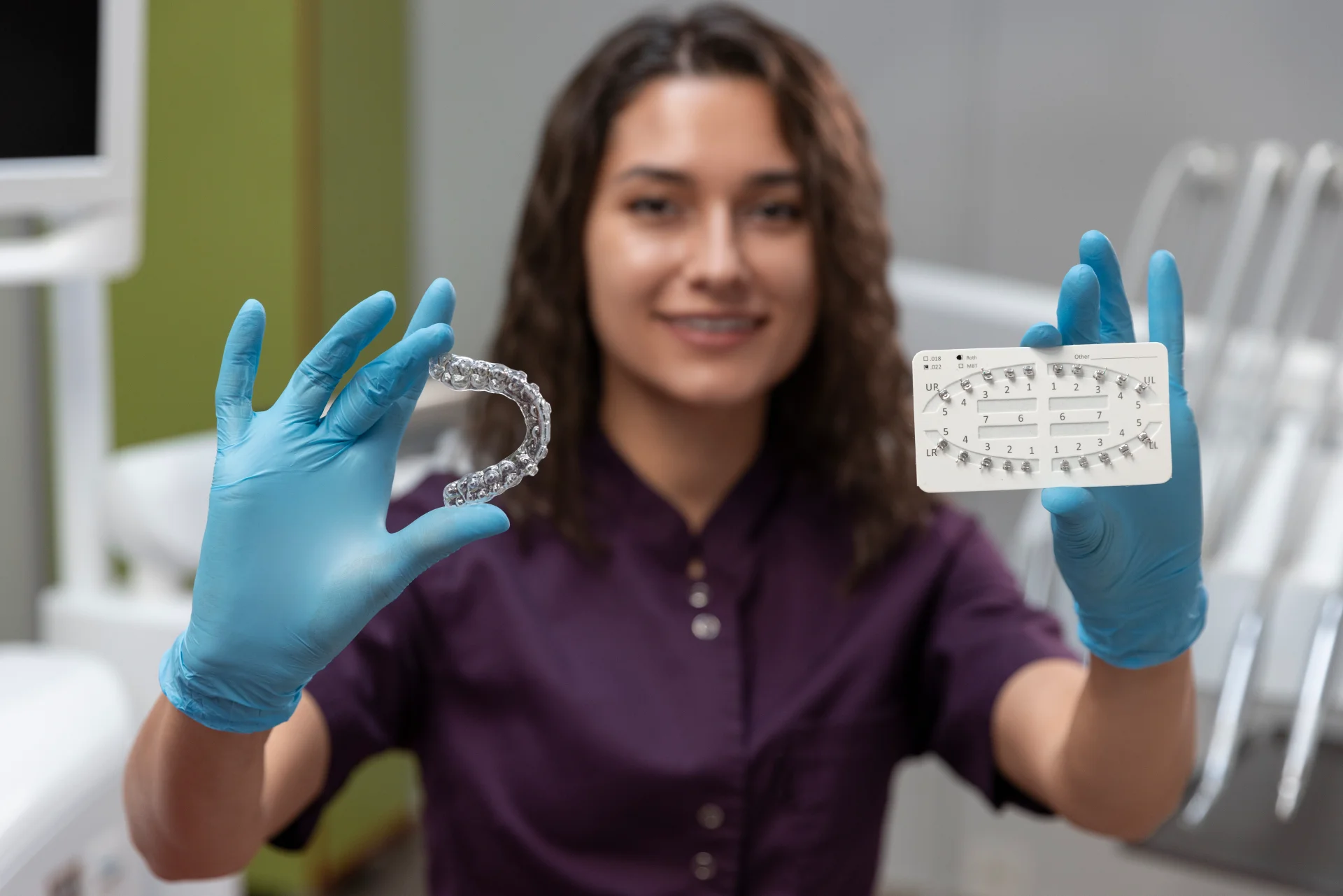
Attachments deserve extra explanation because patients often ask about them. They are tiny, tooth-colored composite bumps placed on specific teeth that give the aligner a grip point for rotations, extrusions, or intrusions the plastic alone cannot achieve. Research published in the Korean Journal of Orthodontics (2019) demonstrated that optimized attachment placement improved rotational accuracy of canine teeth by roughly 25 percent compared to aligners without attachments. Not every tooth needs an attachment, and they are removed without damage when treatment ends.
During the active phase, you will also track wear time. Many of our MetroWest patients use the Spark app or a simple timer on their phone. Consistency in this phase is the single greatest predictor of finishing on schedule.
Refinements are not a sign that something went wrong. Teeth respond to force at different rates, and the biological variability of bone remodeling means that some movements finish ahead of schedule while others need additional time. The key is that your final result is precise -- and refinements are how we get there.
Orthodontists recommend retention because teeth naturally tend to drift back toward their original positions due to periodontal, gingival, and growth-related factors. A Cochrane systematic review (Littlewood et al., 2016, updated by Martin et al., 2023) confirmed that retention is essential to prevent relapse, though it noted that current evidence is insufficient to determine the optimal retention protocol or duration. Most orthodontists recommend either lifelong nighttime wear or indefinite fixed retention, tailored to your specific case. We fabricate custom Essix-style retainers in-office at Innova Smiles so you leave with them the same day your last aligner tray comes off.
- Case complexity -- simple spacing or mild crowding resolves faster than deep bites, crossbites, or significant rotations. Cases involving bite correction often require elastics and additional aligner stages. An open bite or Class II correction can add three to six months compared to a straightforward crowding case. If you are dealing with a bite issue, our post on fixing crossbites and overbites with Spark aligners explains how these cases are planned.
- Compliance -- this is the single biggest factor within your control. A study in the European Journal of Orthodontics (Al-Kawari et al., 2021) tracked aligner wear with embedded microsensors and found that patients averaging fewer than 20 hours of daily wear experienced 35 percent slower tooth movement than those wearing aligners 22 hours or more. Removing aligners for extended periods slows tooth movement and can push your finish date back by weeks or months.
- Biology -- according to a review in the Angle Orthodontist, bone density and the rate of bone remodeling vary from person to person. Younger patients sometimes respond faster because of more active cellular turnover, but adults achieve excellent results as well. Patients over 50 may experience slightly slower movement due to decreased osteoclast activity, though the final outcome is comparable.
- Oral health -- active gum disease or untreated cavities must be addressed before aligner therapy begins, which can add time to the overall process. Straightening teeth can actually improve long-term periodontal health, as we discuss in our article on the oral health benefits of Spark clear aligners. Patients with controlled Type 2 diabetes should be aware that elevated blood glucose can slow wound healing and bone turnover, potentially extending the timeline by a few weeks.
- Smoking -- nicotine restricts blood flow to periodontal tissues. A 2019 study in the Journal of Clinical Periodontology associated smoking with delayed orthodontic tooth movement and higher rates of root resorption. Patients who smoke should factor in a potentially longer treatment window and discuss cessation resources with our team.
- Interproximal reduction (IPR) -- in cases where teeth are mildly crowded but extraction is not warranted, Dr. Fatima may perform IPR, a precise polishing of enamel between teeth to create a fraction of a millimeter of space. IPR itself takes minutes per appointment and does not extend the timeline, but it can reduce the total number of aligner stages by eliminating the need for expansion movements.
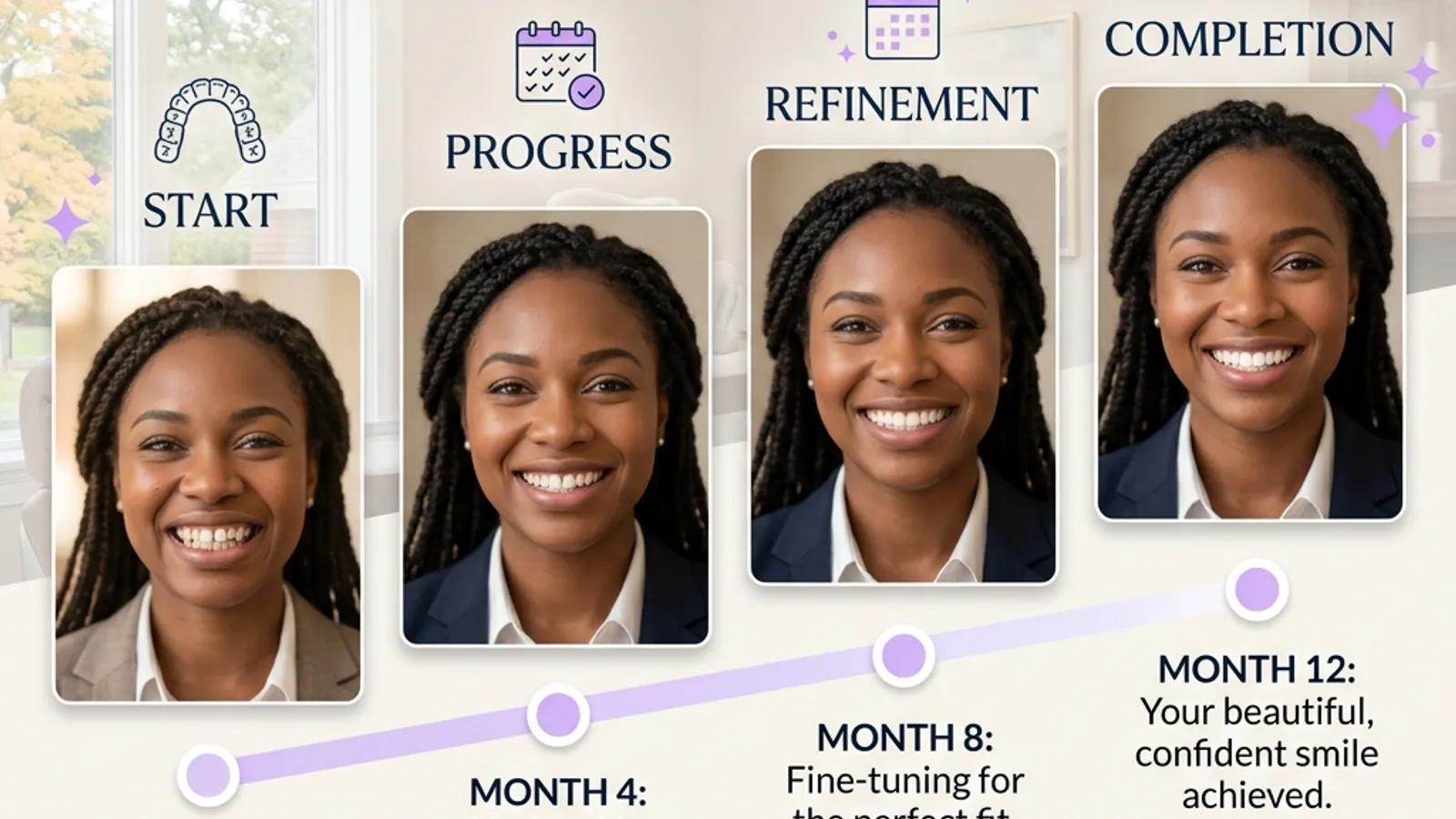
- Month 1 -- initial adjustment period. You may notice mild pressure each time you switch to a new tray, which is a sign that teeth are moving. Speech may feel slightly different for the first few days, particularly with "s" and "th" sounds. Most patients report that speech normalizes within the first week of wear.
- Months 2 to 4 -- front teeth often begin to show visible improvement. Crowding in the front of the mouth tends to resolve before the back teeth are fully aligned. This is when patients start to feel excited about the progress, and it is a strong motivator for consistent wear.
- Months 5 to 8 -- more significant movement in premolars and molars. If attachments or elastics are part of your plan, they are doing the heavy lifting during this phase. Bite correction typically begins in earnest during this window.
- Months 9 to 14 (moderate to complex cases) -- bite correction and root positioning continue. Progress may feel slower because the remaining movements are smaller and more precise -- root torque and final interdigitation require careful, incremental force rather than large-scale shifting.
- Final months -- refinement trays address any remaining details, followed by retainer fitting. Dr. Fatima performs a final evaluation including bite analysis and periapical radiographs to confirm root position.
These ranges reflect averages from published aligner outcome studies and our clinical experience at Innova Smiles. Individual results vary based on the factors discussed above.
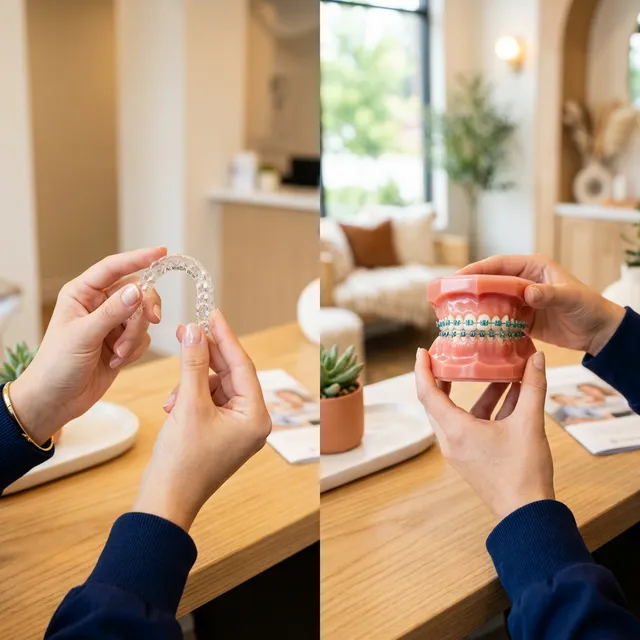
Traditional metal braces and Spark clear aligners can treat many of the same orthodontic issues, but the experience differs in several ways:
- Aesthetics -- Spark trays are nearly invisible. TruGEN material resists staining better than many older aligner plastics, so the trays stay clear throughout each wear cycle. For MetroWest professionals who present in meetings or on video calls, this is often the deciding factor.
- Comfort -- aligners apply gradual, distributed force without the brackets and wires that can irritate cheeks and lips. A 2020 systematic review in the Journal of Orthodontics found that aligner patients reported significantly less pain during the first week of treatment compared to fixed-appliance patients.
- Treatment time -- for mild to moderate cases, Spark and braces often take a similar amount of time. Complex cases requiring significant bite correction may still be faster with braces in certain situations, though Spark continues to expand its clinical capabilities with each generation of TruGEN material.
- Convenience -- aligners are removable, so there are no dietary restrictions and oral hygiene is straightforward. Braces require more careful cleaning around brackets, and patients with braces have higher rates of demineralization (white spot lesions) according to a meta-analysis in the American Journal of Orthodontics (Sundararaj et al., 2015).
- Predictability -- Spark treatment planning uses digital simulations that map every tooth movement before treatment starts. Traditional braces rely more on the clinician's manual adjustments at each appointment, which can introduce variability in the timeline.
Patients often ask whether Spark aligners take longer than Invisalign or vice versa. The honest answer is that the brand matters less than the clinician's treatment planning skill, the complexity of the case, and the patient's compliance. Both systems use thermoformed polyurethane trays and digital treatment simulations. Spark's TruGEN material has shown favorable force retention in laboratory testing, and Invisalign's SmartTrack material has a long clinical track record. A 2023 comparative study in Progress in Orthodontics found no statistically significant difference in treatment duration between the two systems when case complexity was controlled. For a full material and clinical comparison, see our Spark vs. Invisalign head-to-head guide.
At Innova Smiles, we offer both Spark and Invisalign. Dr. Fatima recommends the system best suited to each patient's anatomy and goals -- not based on brand loyalty.
Patients who finish on time share a few habits:
- Use aligner chewies -- biting on a chewie for two to three minutes after seating a new tray improves the fit and ensures full force expression. The trays work best when they are firmly seated against every tooth surface.
- Set phone alarms -- track when you remove trays for meals and aim to keep total out-of-mouth time under two hours per day. Even an extra 30 minutes out of the mouth daily compounds over months.
- Keep a travel hygiene kit -- a portable toothbrush and case in your bag means you can clean teeth and re-insert trays quickly after lunch in a Marlborough office park or a Framingham restaurant.
- Attend every check-in appointment -- we space visits every six to eight weeks. Skipping an appointment delays the identification of tracking issues that could require mid-course corrections.
- Communicate early -- if a tray cracks, feels too loose, or does not seem to fit properly, call us rather than moving to the next set prematurely. A poorly tracking tray can cascade into a larger problem that requires extra refinement stages.
Professionals along the I-495 corridor -- from Hudson and Southborough to Framingham and Westborough -- and families across MetroWest benefit from check-in schedules designed to fit busy routines. At Innova Smiles, appointments are typically spaced every six to eight weeks during active treatment. Digital monitoring may reduce in-office visit time where appropriate, and our team is available by phone if any questions arise between appointments.
We also serve patients from Sudbury, Ashland, Hopkinton, and Natick who appreciate early-morning and lunch-hour scheduling options that keep treatment from interfering with work or school.
Can I speed up my Spark aligner treatment? Wearing trays the full 22 hours per day is the most effective way to keep treatment on schedule. Some clinicians offer accelerated orthodontic devices (such as vibration-based tools) that claim to speed bone remodeling. The evidence is mixed -- a 2021 randomized controlled trial in the European Journal of Orthodontics found no clinically significant reduction in treatment time with vibration appliances. Consistent wear remains the most-recommended option.
What happens if I lose an aligner tray? Contact our office immediately. In most cases, you can either move to the next tray if the current one was nearly complete, or go back one tray while a replacement is fabricated. A lost tray does not derail treatment if addressed quickly.
Is Spark treatment painful? Most patients describe the sensation as pressure rather than pain. Each new tray may cause mild soreness for the first 24 to 48 hours. Over-the-counter ibuprofen manages this effectively for most patients. The discomfort is noticeably less than what patients typically experience after wire adjustments with traditional braces.
How many appointments will I need during treatment? For a typical 12-month case, expect roughly six to eight in-office visits at Innova Smiles. Each visit lasts 15 to 30 minutes and involves checking aligner fit, assessing tooth tracking, and distributing the next sets of trays.
Ready for a personalized Spark aligner timeline? Call (508) 481-0110 or book a consultation. Dr. Fatima and the Innova Smiles team in Marlborough will map your treatment from scan to retainer so you know exactly how long your clear aligner journey will take.
Related Articles
- How Long Does Invisalign Take? Treatment Timeline
- Living with Spark Clear Aligners: Tips & Tricks
- How Much Do Spark Aligners Cost in Massachusetts?
- Why Retainers Are Crucial After Aligner Treatment
- Back-to-School: Are Clear Aligners Right for Teens?
Related Services
Sources & Further Reading
- American Association of Orthodontists - Retainers — American Association of Orthodontists