Featured Answer: What foods are best for your teeth and gums?
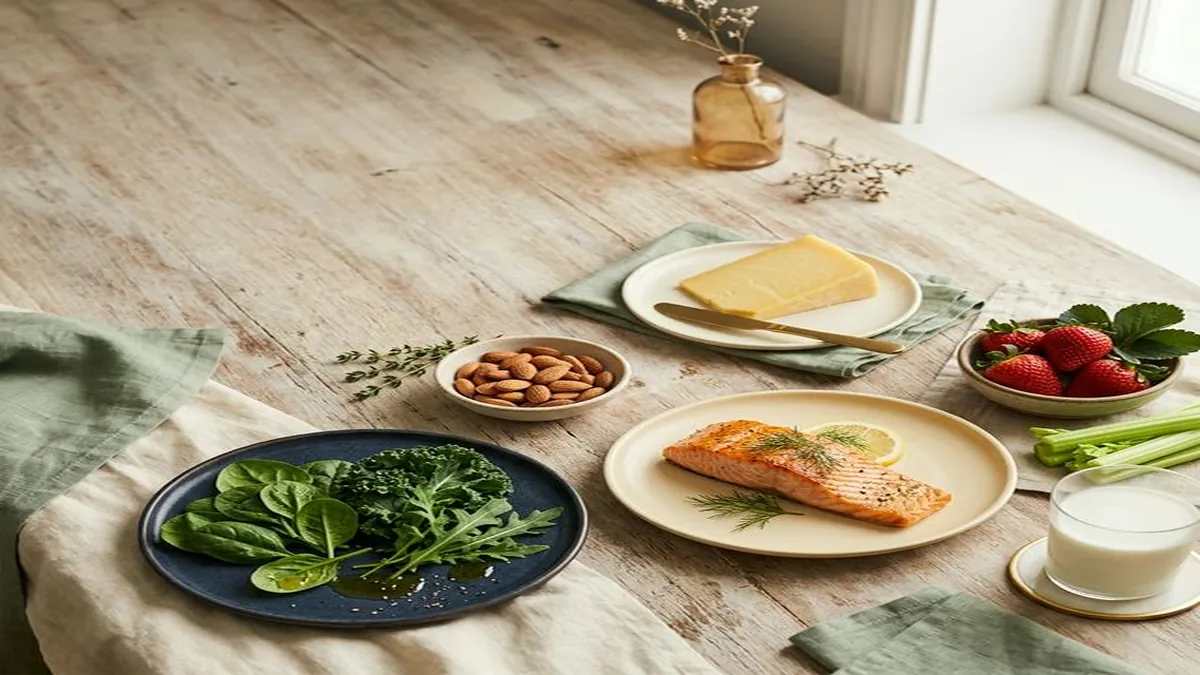
The best foods for your teeth and gums are those rich in calcium, phosphorus, vitamin D, vitamin C, and fiber. Dairy products like cheese and yogurt provide calcium and casein proteins that remineralize enamel. Leafy greens, nuts, and fatty fish supply the minerals and vitamins that maintain bone density and gum tissue health. Crunchy, fibrous vegetables like celery and carrots stimulate saliva flow and physically scrub tooth surfaces. And plain water, especially fluoridated tap water, remains the single best beverage for oral health. What you eat between meals matters as much as what you eat during them, because frequent snacking keeps the oral pH acidic and gives cavity-causing bacteria a continuous food supply.
At Innova Smiles in Marlborough, MA, nutrition is a regular part of the conversation during preventive care visits. Patients from Sudbury, Natick, Framingham, and across MetroWest are often surprised to learn how directly diet affects their cavity rate, gum health, and enamel strength. This guide organizes the research by nutrient category and gives you practical, specific food choices backed by dental science.
Calcium and Phosphorus: The Building Blocks of Enamel
Tooth enamel is the hardest substance in the human body — 96 percent mineral, primarily hydroxyapatite, which is a crystalline structure of calcium and phosphorus. When oral bacteria metabolize sugars and starches, they produce acids that dissolve these minerals from the enamel surface in a process called demineralization. Saliva naturally works to repair this damage by depositing calcium and phosphorus ions back into the enamel (remineralization), but only if those minerals are available.
Dietary calcium and phosphorus directly support this remineralization cycle. The ADA recommends that adults consume 1,000 to 1,300 mg of calcium daily for both skeletal and dental health.
Top Calcium-Rich Foods for Teeth
- Cheese. This is one of the most tooth-friendly foods that exists. A study published in General Dentistry (the journal of the Academy of General Dentistry) found that eating cheese raised the pH of dental plaque within minutes, reducing acid exposure. Cheese contains casein and whey proteins that bind to enamel and protect it from acid attack. Cheddar, Swiss, and Gouda are particularly beneficial because of their high calcium content and low lactose (lactose is a sugar that bacteria can ferment).
- Plain yogurt. Greek yogurt in particular provides high calcium and protein with less added sugar than flavored varieties. The probiotics in yogurt (particularly Lactobacillus strains) may also help suppress Streptococcus mutans, the primary cavity-causing bacterium, though this research, published in the Journal of Dental Research, is still in early stages.
- Milk. One cup of cow's milk provides about 300 mg of calcium. Milk also contains casein phosphopeptides (CPP) that help keep calcium and phosphorus in a soluble form near the tooth surface, promoting remineralization. Research published in the Australian Dental Journal found that drinking milk after consuming acidic foods significantly reduced enamel erosion.
- Almonds. A quarter-cup of almonds provides 96 mg of calcium and 137 mg of phosphorus. They are low in sugar and require chewing, which stimulates saliva flow. Keep a bag at your desk or in your car for a tooth-friendly MetroWest commute snack on I-495.
- Tofu (calcium-set). An excellent option for lactose-intolerant patients. Half a cup of calcium-set tofu provides 253 mg of calcium.
Phosphorus Sources
Phosphorus works alongside calcium in the hydroxyapatite crystal structure. Most Americans get adequate phosphorus through their diet, but the best sources include lean meats, fish, eggs, beans, lentils, and nuts. Patients who eat very restricted diets should be aware that phosphorus deficiency, while rare, impairs enamel remineralization.
Vitamin D: The Calcium Delivery System
Calcium cannot be absorbed efficiently without vitamin D. The body can produce vitamin D from sun exposure, but here in MetroWest Massachusetts, we get limited UV exposure from October through April, the classic New England vitamin D deficit months. A study in the Journal of the American Dental Association (JADA) found that patients with vitamin D deficiency had significantly higher rates of dental caries and periodontal disease.
Vitamin D Food Sources
- Fatty fish, salmon, mackerel, sardines, and trout. A 3.5-ounce serving of wild-caught salmon provides 570 to 800 IU of vitamin D, which exceeds the daily recommended intake of 600 IU for most adults.
- Egg yolks, about 44 IU per yolk. Not a primary source, but meaningful when consumed regularly.
- Fortified milk and orange juice, most commercial brands provide 100 IU per serving.
- Cod liver oil: 1,360 IU per tablespoon. The most concentrated dietary source, though not for everyone.
For patients in our area whose blood work shows low vitamin D (very common in our winter months from November through March), I often suggest discussing supplementation with their primary care physician. The typical supplemental dose is 1,000 to 2,000 IU daily, though individual needs vary.
Vitamin C: Gum Tissue Repair and Collagen Synthesis
Gum tissue is collagen-rich, and vitamin C is essential for collagen synthesis. Severe vitamin C deficiency causes scurvy, the historical disease of sailors, which manifests first as bleeding, swollen gums and loose teeth. While clinical scurvy is rare today, suboptimal vitamin C intake is common and contributes to slower gum tissue healing and increased susceptibility to gingivitis.
A 2019 study in Nutrients found that individuals with higher dietary vitamin C intake had significantly lower rates of periodontal disease, independent of other risk factors like smoking and diabetes.
Best Vitamin C Sources for Gum Health
- Bell peppers, a single red bell pepper provides 190 mg of vitamin C, which is more than double the recommended daily intake of 75 to 90 mg. Bell peppers are also non-acidic, which makes them gentler on enamel than citrus fruits.
- Strawberries, about 89 mg per cup. An excellent choice for a tooth-friendly dessert, especially local strawberries from MetroWest farms during the June and early July season.
- Broccoli: 81 mg per cup (raw). Also provides calcium and iron.
- Kiwi fruit: 71 mg per fruit. High fiber content also stimulates saliva.
- Citrus fruits (oranges, grapefruit), excellent vitamin C sources, but they are acidic. Eat them as part of a meal rather than as standalone snacks, and wait 30 minutes before brushing to avoid spreading acid across softened enamel. Rinse with plain water after eating citrus.
Vitamin A: Saliva Production and Mucosal Health
Vitamin A maintains the mucosal membranes that line the mouth, supports saliva gland function, and contributes to the immune response in oral tissues. Low vitamin A is associated with reduced saliva flow, increased susceptibility to oral infections, and impaired wound healing after dental procedures.
Vitamin A-Rich Foods
- Sweet potatoes, a single medium sweet potato provides 561 percent of the daily value for vitamin A (as beta-carotene). They are also soft enough for patients with dental sensitivity.
- Carrots: 184 percent of the daily value per cup. Raw carrots are especially beneficial because the crunchy texture stimulates saliva and mechanically disrupts plaque.
- Spinach and kale, rich in both vitamin A and calcium. A MetroWest farmers market haul of dark leafy greens is one of the best investments in your oral health.
- Cantaloupe: 120 percent of the daily value per cup. A refreshing summer option.
Fibrous Fruits and Vegetables: Nature's Toothbrush
Crunchy, high-fiber foods provide a mechanical cleaning effect during chewing. The fibrous texture scrubs tooth surfaces, stimulates gum tissue, and triggers robust saliva production. Saliva is critical, it neutralizes acids, delivers calcium and phosphorus for remineralization, and contains antimicrobial enzymes like lysozyme and lactoferrin.
The ADA refers to these foods as "detergent foods" because of their cleaning properties. The best options include:
- Apples, the firm, juicy flesh stimulates saliva and creates a scrubbing action. The malic acid in apples also has a mild natural whitening effect. New England apple season (September through November) is a perfect time to stock up, local varieties like Honeycrisp, McIntosh, and Cortland from orchards along Route 20 are tooth-friendly and delicious.
- Celery, one of the most effective detergent foods. The stringy fiber acts like natural dental floss between teeth. Celery is also 95 percent water, contributing to hydration.
- Raw carrots, firm texture and high water content create excellent mechanical cleaning. Slice them into sticks for an easy snack.
- Pears, less acidic than most fruits, making them gentler on enamel while still providing fiber and water content.
- Cucumbers, mild flavor, high water content, and a satisfying crunch. Add them to lunch for a quick mid-day dental rinse.
Omega-3 Fatty Acids: Anti-Inflammatory Support for Gums
Chronic gum disease (periodontitis) is fundamentally an inflammatory condition. The immune system's inflammatory response to bacterial plaque is what destroys the bone and connective tissue that hold teeth in place. Omega-3 fatty acids, particularly EPA and DHA, have well-documented anti-inflammatory properties that may modulate this response.
A 2010 study published in the Journal of the American Dietetic Association analyzed data from over 9,000 adults in the NHANES dataset and found that higher dietary omega-3 intake was associated with a 20 percent lower prevalence of periodontitis. A 2014 systematic review in the British Dental Journal confirmed these findings, noting that omega-3 supplementation reduced probing depth and clinical attachment loss in patients with existing periodontitis.
Omega-3 Food Sources
- Wild salmon, the richest dietary source. A 3.5-ounce serving provides 2,260 mg of combined EPA and DHA.
- Sardines: 1,480 mg per 3.5-ounce serving. Also high in calcium (because the small bones are eaten).
- Walnuts, the best plant source, providing 2,570 mg of ALA (alpha-linolenic acid, which the body partially converts to EPA and DHA) per ounce.
- Flaxseeds: 2,350 mg of ALA per tablespoon. Add ground flaxseed to yogurt or smoothies.
- Chia seeds: 5,060 mg of ALA per ounce.
Green and Black Tea: Polyphenols That Fight Oral Bacteria
Tea contains polyphenols, particularly catechins in green tea and theaflavins in black tea, that directly inhibit the growth of oral bacteria. A 2016 review published in the Archives of Oral Biology analyzed 29 studies and concluded that green tea polyphenols reduced Streptococcus mutans counts in saliva, decreased plaque formation, and inhibited the enzyme glucosyltransferase that bacteria use to produce the sticky glucan matrix of dental plaque.
A study from the University of Illinois College of Dentistry found that rinsing with black tea for 30 seconds between meals significantly reduced plaque accumulation and acid production.
The caveat: tea can stain teeth over time, particularly black tea. If staining is a concern, rinse with water after drinking tea. And obviously, skip the sugar, sweetened tea negates the antibacterial benefits.
Herbal teas do not contain the same polyphenol profile as Camellia sinensis teas (green, black, white, oolong), so their oral health benefits are not equivalent.
Water: The Most Underrated Oral Health Tool
Plain water is the best beverage for your teeth, period. It rinses food particles, dilutes acids, and if it comes from a fluoridated municipal supply, it provides a continuous low-dose fluoride exposure that strengthens enamel.
Most Massachusetts communities, including Marlborough, Framingham, and Natick, fluoridate their water supplies at the CDC-recommended level of 0.7 parts per million. The CDC has called community water fluoridation one of the top 10 public health achievements of the 20th century, estimating that it reduces tooth decay by approximately 25 percent across all age groups.
Patients who drink primarily bottled water or who use reverse-osmosis filtration at home may not be getting this fluoride benefit. If that applies to you, mention it at your next visit so we can discuss whether a prescription fluoride toothpaste or rinse would be appropriate.
How much water? The general recommendation of eight 8-ounce glasses daily is a reasonable starting point for oral health purposes. Sipping water throughout the day keeps the mouth hydrated and the salivary system functioning optimally.
Foods That Harm Your Teeth
Understanding what helps your teeth is only half the equation. Here are the foods and habits that cause the most damage:
Sugar
This is the primary dietary driver of tooth decay. Oral bacteria, particularly Streptococcus mutans and Lactobacillus species, ferment sugars and produce lactic acid, which dissolves enamel. The WHO strongly recommends limiting free sugars to less than 10 percent of total daily caloric intake and suggests further reduction to below 5 percent for additional dental benefits.
The form and frequency of sugar exposure matter as much as the total amount. A single candy bar eaten during lunch is less harmful than sipping a sugary coffee drink over three hours, because the prolonged exposure keeps the oral pH below the critical demineralization threshold of 5.5 for a much longer period.
Acidic Foods and Beverages
Citrus juices, soda (diet and regular), vinegar-based dressings, wine, and sports drinks directly erode enamel through acid exposure. The pH scale is critical here:
Enamel begins to demineralize at pH 5.5. Any beverage below that threshold is actively dissolving your enamel during contact. Use a straw for acidic drinks, rinse with water afterward, and avoid brushing for 30 minutes.
Sticky and Dried Fruits
Dried cranberries, raisins, dried apricots, and fruit leather stick to tooth surfaces and lodge in pits and fissures, prolonging sugar exposure. Fresh fruit is a much better choice, the water content and fiber help clear the sugar more quickly.
Ice
Chewing ice is one of the most common causes of cracked teeth that I see at Innova Smiles. The thermal shock and mechanical force can fracture enamel, damage existing fillings, and crack weakened cusps. If you have a habit of chewing ice, it is worth mentioning at your next appointment, it sometimes indicates iron-deficiency anemia (a condition called pagophagia).
Starchy Snacks
Crackers, chips, white bread, and pretzels break down into simple sugars almost immediately in the mouth. Salivary amylase begins converting starches to sugars within seconds, and the sticky, paste-like consistency of chewed starchy foods clings to tooth surfaces longer than many candies.
A Tooth-Friendly Day: Sample Meal Plan
Here is what a day of eating for stronger teeth and healthier gums might look like, using foods readily available at any MetroWest grocery store or farmers market:
Breakfast
- Greek yogurt (plain) with sliced strawberries and a tablespoon of ground flaxseed
- Glass of fluoridated tap water
Mid-Morning Snack
- A handful of almonds and a cube of sharp cheddar cheese
- Green tea (unsweetened)
Lunch
- Grilled salmon over spinach salad with bell pepper strips, cucumber, and olive oil dressing
- Water with lunch
Afternoon Snack
- Apple slices with a thin spread of almond butter
- Celery sticks
- Water
Dinner
- Grilled chicken breast with roasted sweet potatoes and steamed broccoli
- Glass of milk or water
After Dinner
- A small piece of cheese (the casein helps neutralize acids from dinner)
- Water
- Brush and floss 30 minutes after eating
This meal plan provides calcium, phosphorus, vitamin D, vitamin C, vitamin A, omega-3s, and fiber, every nutrient your teeth and gums need, while minimizing sugar and acid exposure.
Debunking Nutrition Myths About Teeth
Myth: Cheese is bad for teeth because it is fatty. Fact: Cheese is one of the best foods for dental health. The calcium, casein, and whey proteins protect and remineralize enamel, and eating cheese raises plaque pH, reducing acid damage. Fat content has no negative effect on teeth.
Myth: Fruit juice counts as a fruit serving for dental health purposes. Fact: Fruit juice concentrates the sugar and acid of whole fruit while removing the fiber that helps clear it from teeth. A glass of orange juice bathes teeth in acid and sugar for as long as you sip it. Eat the orange instead.
Myth: Sugar-free candy is harmless to teeth. Fact: Sugar-free candy is significantly better than sugared candy, and xylitol-sweetened products may actually reduce S. mutans counts (a finding published in the Cochrane Database of Systematic Reviews). But some sugar-free candies are acidic, and the chewing action can stress weakened teeth. Sugar-free gum with xylitol is a better option.
Myth: Brushing harder makes up for a poor diet. Fact: No amount of brushing can fully compensate for a high-sugar, high-acid diet. Brushing removes plaque bacteria, but if the diet continuously supplies fuel for acid production, demineralization will outpace remineralization. Diet and hygiene work together, neither alone is sufficient.
Myth: Sparkling water is as bad as soda for teeth. Fact: Plain sparkling water (no added flavors or citric acid) has a pH of about 5.0, mildly acidic due to dissolved carbon dioxide forming carbonic acid, but far less erosive than soda (pH 2.5) or citrus juice (pH 3.5). A 2016 study in JADA found that plain sparkling water posed minimal risk to enamel compared to flavored sparkling waters, which often contain added citric acid and are more erosive.
A Seasonal Advantage in New England
Living in the MetroWest region gives us access to outstanding local produce throughout the growing season. From June strawberries to September apples, October squash, and year-round dairy from local farms, the ingredients for a tooth-healthy diet are available right along Route 20 and at community farmers markets in Marlborough, Hudson, and Northborough.
Winter presents challenges, shorter days mean less vitamin D synthesis, and comfort-food cravings tend toward starchy, sugary options. This is the season to be intentional about vitamin D-rich foods (salmon, fortified dairy, eggs) and to keep cut vegetables in the refrigerator for easy access when the temptation to reach for crackers hits.
Spring and summer farmers markets are an opportunity to stock up on bell peppers, berries, leafy greens, and other vitamin-C-rich produce that supports gum health. Make the connection between what goes in your grocery bag and what happens at your next dental checkup, the two are directly related.
Want to talk about how your diet affects your dental health? Call Innova Smiles at (508) 481-0110 or schedule a preventive care visit. Dr. Fatima and our team discuss nutrition as part of every exam because what you eat and how you care for your teeth are equally important.
Related Articles
- Essential Dental Hygiene Tips for a Healthy Smile
- Dental Sealants for Children in Marlborough
- Why Dental Cleanings Matter
Related Services
Sources & Further Reading
- In vivo dental plaque pH after consumption of dairy products — General Dentistry (Academy of General Dentistry)