Featured Answer: What can I eat after a tooth extraction?
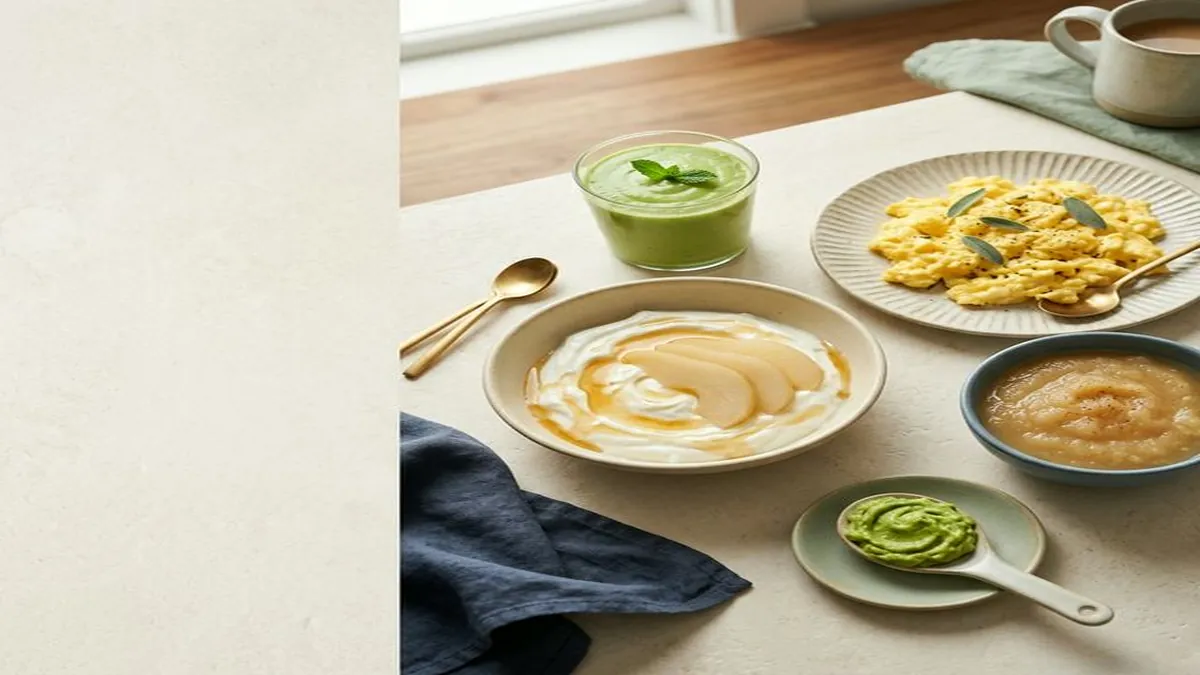
For the first 24 hours, stick to cool or lukewarm soft foods: yogurt, applesauce, mashed potatoes, smoothies (no straw), and broth. From days 2 through 7, you can gradually add scrambled eggs, oatmeal, pasta, and soft fish. Most patients return to a normal diet within 10 to 14 days, once the extraction site has closed and tenderness has subsided. Avoiding hard, crunchy, spicy, and acidic foods during the first week is critical for protecting the blood clot and preventing dry socket.
Why What You Eat After an Extraction Matters
A tooth extraction creates an open wound in your jawbone. Within minutes, a blood clot forms in the empty socket, and that clot is the biological foundation for everything that follows. It protects the exposed bone and nerve endings, provides a scaffold for new tissue growth, and prevents bacteria from entering the surgical site.What you eat (and how you eat it) during the first one to two weeks directly affects whether that clot stays intact and how quickly the wound heals. According to the American Dental Association, dietary choices rank among the top modifiable factors in post-extraction healing outcomes. Poor food choices can dislodge the clot, irritate inflamed tissue, or deprive your body of the nutrients it needs to rebuild bone and soft tissue.
At Innova Smiles in Marlborough, Dr. Fatima sends every extraction patient home with written dietary guidance tailored to the type of extraction performed, a simple extraction heals differently from a surgical wisdom tooth removal, and the diet plan should reflect that.
Day-by-Day Recovery Diet Timeline
Day 0-1: The First 24 Hours
The first day is the most critical period for clot stability. Your mouth will still be numb for one to three hours after leaving the office, and the extraction site will be actively forming its blood clot. During this window, your goals are simple: protect the clot, manage swelling, and stay hydrated.
Best foods for Day 0-1:
- Greek yogurt, high in protein, smooth texture, cool temperature soothes the area. Choose plain or vanilla and avoid varieties with granola or fruit chunks
- Applesauce, easy to eat without chewing, provides natural sugars for energy
- Mashed potatoes or mashed sweet potatoes, serve lukewarm, not hot. Add butter or sour cream for extra calories
- Bone broth or chicken broth, rich in collagen and minerals that support tissue repair. Let it cool to lukewarm before sipping
- Smoothies, blend banana, avocado, protein powder, and milk for a nutrient-dense meal. Use a spoon, not a straw
- Pudding or Jell-O, easy calories when you have no appetite
- Ice cream or frozen yogurt, the cold helps with swelling. Avoid flavors with nuts, cookie pieces, or hard mix-ins
Temperature matters: Keep everything cool or lukewarm. Hot foods and drinks increase blood flow to the surgical site, which can dissolve the clot or restart bleeding. A 2019 review in the International Journal of Oral and Maxillofacial Surgery confirmed that thermal irritation in the first 24 hours is associated with increased postoperative bleeding and delayed clot maturation.
Portion strategy: Eat small amounts frequently rather than three large meals. Your jaw will be sore and your mouth will feel swollen, small spoonfuls every two to three hours keep your energy up without requiring wide jaw opening.
Days 2-3: Soft Foods, Slightly More Variety
By day two, the blood clot has stabilized and early granulation tissue (the pinkish-white healing tissue) is beginning to form over the socket. Swelling typically peaks around 48 to 72 hours and then gradually improves. You can introduce slightly warmer foods and more variety, but everything should still require minimal chewing.
Best foods for Days 2-3:
- Scrambled eggs, soft, protein-rich, and easy to prepare. Cook them moist and soft, not dry
- Oatmeal, cook it soft and let it cool slightly. Top with mashed banana for extra nutrition. Avoid chunky steel-cut varieties
- Avocado, mash it on its own or spread it thin. Healthy fats support cellular repair
- Cottage cheese, another excellent protein source with a soft, manageable texture
- Hummus, eat with a spoon, not with chips or crackers
- Mashed banana, potassium helps reduce post-surgical swelling
- Cream of wheat or grits, warm comfort food that slides down without effort
- Soft-cooked pasta, overcook it slightly so it requires almost no chewing. Toss with butter and parmesan, not tomato sauce (too acidic)
- Soup, blended soups like butternut squash, potato leek, or cream of broccoli. Avoid soups with chunks you need to chew
Patients recovering from wisdom tooth extractions, common among younger adults from Framingham, Sudbury, and Hopkinton, often find that days two and three are the most challenging for eating because swelling peaks during this window. Applying a cold compress (20 minutes on, 20 minutes off) before meals can reduce swelling enough to make eating more comfortable.
Days 4-7: Gradual Reintroduction
The extraction socket is now covered by granulation tissue, and new soft tissue is actively forming. Pain and swelling should be noticeably decreasing each day. You can begin adding foods that require gentle chewing, but still avoid anything hard, crunchy, or requiring vigorous jaw movement.
Best foods for Days 4-7:
- Soft fish, salmon, tilapia, or cod, baked or steamed until it flakes easily. Fish provides omega-3 fatty acids, which a 2020 study in Nutrients linked to reduced inflammation in oral surgical wounds
- Soft-cooked vegetables, steamed carrots, zucchini, squash, or sweet potato mashed with a fork
- Pancakes or soft French toast, cut into small pieces, no crunchy edges
- Soft rice, well-cooked white rice or risotto
- Ground meat, soft-cooked ground turkey or beef in a mild sauce, chewed on the opposite side
- Soft bread, the inside of a dinner roll (avoid crusty edges)
- Macaroni and cheese, a popular choice with our patients, especially after wisdom tooth removal
- Soft fruit, ripe peaches, melon, or berries mashed slightly
By the end of the first week, most simple extraction patients are eating close to their normal diet. Surgical and wisdom tooth extraction patients typically need a few more days of caution.
Week 2 and Beyond: Returning to Normal
By day 10 to 14, the soft tissue over the extraction site has closed significantly, and most patients can eat normally. The underlying bone continues to remodel for several months, but the surface is protected enough that food choices are no longer a healing concern.
When you can return to normal foods:
- Simple extractions: 7 to 10 days for most patients
- Surgical extractions: 10 to 14 days
- Wisdom tooth extractions: 10 to 14 days, sometimes longer for lower wisdom teeth with deep bony impactions
Even at two weeks, use common sense: if something hurts when you bite down on the extraction side, wait a few more days. Pain is your body telling you the site is not ready for that level of force.
Foods to Avoid After a Tooth Extraction
Knowing what to avoid is just as important as knowing what to eat. The following foods and drinks pose specific risks to the healing extraction site:
The straw rule: This is the single most important dietary restriction. The sucking motion creates negative pressure inside your mouth that can physically pull the blood clot out of the socket. Dry socket (alveolar osteitis) occurs in roughly 2 to 5 percent of routine extractions and up to 30 percent of impacted wisdom tooth extractions, according to research published in the Journal of Oral and Maxillofacial Surgery. Most cases are linked to clot disruption in the first 48 to 72 hours.
Dry Socket Prevention Through Diet
Dry socket is the most common complication after tooth extraction, and much of the prevention comes down to what you eat and how you eat it. When the blood clot is lost prematurely, the underlying bone and nerves are exposed to air, food particles, and bacteria, causing intense, throbbing pain that typically begins two to four days after extraction and can radiate to the ear and temple.
Dietary habits that reduce dry socket risk:
- Eat soft foods that do not require suction, vigorous chewing, or wide mouth opening
- Avoid using straws, sippy cups, or water bottles that require suction for at least 7 to 10 days
- Avoid smoking and vaping, the inhalation motion is equivalent to straw use, and nicotine constricts blood vessels, impairing healing. The ADA reports that smokers experience dry socket at significantly higher rates than nonsmokers
- Avoid carbonated beverages, the carbonation creates micro-bubbles that can agitate the clot surface
- Rinse gently with warm salt water (one-half teaspoon of salt in eight ounces of warm water) starting 24 hours after extraction, do not swish forcefully, just let the water flow passively through your mouth
- Avoid alcohol, which dehydrates tissue and can interact with prescribed pain medications
At Innova Smiles, Dr. Fatima uses PRF (platelet-rich fibrin) in surgical extraction sites when indicated. PRF is derived from a small sample of your own blood, spun in a centrifuge to concentrate growth factors, and placed directly into the socket. A 2021 systematic review in the Journal of Oral and Maxillofacial Surgery found that PRF placement reduced dry socket incidence by approximately 70 percent in third molar extraction cases.
Nutrition Tips for Faster Healing
Your body needs specific nutrients to rebuild bone and soft tissue after an extraction. Eating the right foods is not just about comfort, it is about giving your body the raw materials for repair.
Protein
Protein is the primary building block for new tissue. The body uses amino acids to synthesize collagen, the structural protein that forms the foundation of both soft tissue and the organic matrix of bone. Aim for 60 to 80 grams of protein daily during the first two weeks of healing.
Best soft protein sources: Greek yogurt (15-20g per cup), scrambled eggs (6g per egg), cottage cheese (14g per half-cup), protein smoothies, soft fish, ground meat, hummus.
Vitamin C
Vitamin C is essential for collagen synthesis and immune function. A deficiency slows wound healing measurably, a finding documented as far back as scurvy research and confirmed in modern studies published in the Journal of Dental Research. Because citrus fruits are too acidic during the first week, focus on non-acidic sources.
Soft vitamin C sources: mashed strawberries (after day 4), mashed kiwi, sweet potato, soft-cooked broccoli, bell pepper soup, fortified juices (diluted and room temperature).
Vitamin A
Vitamin A supports epithelial cell growth, the surface cells that close the wound. Sweet potatoes, carrots (soft-cooked), and fortified dairy products are excellent sources that fit easily into a soft-food diet.
Zinc
Zinc plays a critical role in cell division and immune defense, both of which are essential during wound healing. A 2018 review in Nutrients found that zinc supplementation improved surgical wound healing outcomes in patients with marginal zinc status.
Soft zinc sources: ground beef, yogurt, scrambled eggs, oatmeal, fortified cereals (softened with milk).
Iron
Blood loss during extraction, even when minimal, can leave you feeling fatigued. Iron supports red blood cell production and oxygen delivery to the healing site.
Soft iron sources: cream of wheat (fortified), soft-cooked spinach, ground beef, lentil soup (blended smooth).
Hydration
Water is involved in every stage of wound healing, from clot formation to new tissue growth. Dehydration thickens blood, reduces saliva flow (saliva contains antimicrobial proteins that protect the wound), and slows cellular repair. Drink at least eight 8-ounce glasses of water daily. Sip directly from a glass or cup, never through a straw.
Patients from Hudson and Northborough often ask whether sports drinks or electrolyte beverages are helpful. They can be, particularly if you have difficulty eating enough food in the first 48 hours, but choose low-sugar versions and avoid anything carbonated.
Sample Meal Plans
Day 1 Sample Menu
Day 3-4 Sample Menu
Day 7 Sample Menu
Special Considerations by Extraction Type
After Wisdom Tooth Removal
Wisdom tooth extractions, especially lower third molars, tend to produce more swelling and a larger surgical site than other extractions. The posterior location also makes it harder to avoid getting food particles in the socket. For the first three days, stay with soft, semi-liquid foods only and avoid opening your mouth wide. Cold foods are particularly helpful during the first 48 hours because the cold helps manage the swelling that peaks during this period.
Our patients from Westborough and Shrewsbury who have had wisdom teeth removed often tell us that protein smoothies (eaten with a spoon) were their best friend during the first few days.
After a Surgical Extraction with Bone Graft
If Dr. Fatima placed a bone graft at the time of your extraction, common when a future dental implant is planned, the dietary restrictions are slightly more conservative and last longer. The graft material needs time to integrate with your natural bone, and excessive force or food impaction at the site can compromise the graft. Expect to stay on soft foods for a full two weeks and to avoid chewing directly over the grafted area for three to four weeks.
After Multiple Extractions
Patients having more than one tooth removed in the same visit face the added challenge of having fewer teeth available for chewing. If extractions are on both sides of the mouth, you may need to rely almost entirely on no-chew foods for the first five to seven days. A blender becomes essential, soups, smoothies, and pureed foods provide calories and nutrition without requiring any jaw work.
When to Call Your Dentist About Diet and Healing
Most extraction recovery follows a predictable timeline, but certain symptoms during the healing period warrant a call to our office:
- Increasing pain after day 3 (pain should be improving, not worsening, worsening pain may indicate dry socket)
- A foul taste or odor coming from the extraction site
- Visible bone in the socket (the socket should be covered by a dark red or whitish clot, not empty)
- Bleeding that restarts after it had stopped, especially if it occurs after eating
- Inability to eat or drink for more than 24 hours due to pain or swelling
- Fever above 101 degrees F, may indicate infection
- Numbness that has not resolved 24 hours after the procedure (may indicate nerve irritation)
Innova Smiles is located at 340 Maple St, Suite 100, Marlborough, MA 01752, and we serve families from across MetroWest Massachusetts, including Natick, Southborough, and surrounding communities along Route 20 and I-495. If you are recovering from an extraction and something does not feel right, call (508) 481-0110 immediately. During New England's cold winter months, we see more patients reach for hot soup and coffee sooner than they should, lukewarm is your friend for that first week.
Preparing for an extraction or recovering from one? Call (508) 481-0110 or schedule a visit with Dr. Fatima for personalized recovery guidance.
Planning to Replace Your Extracted Tooth?
Replacing a missing tooth with a dental implant or bridge prevents teeth shifting and preserves jawbone integrity.
Pain & Swelling Control After a Tooth Extraction
- Ibuprofen (Advil/Motrin) 400–600 mg every 6 hours is the gold standard for post-extraction pain and swelling.
- Alternating ibuprofen with acetaminophen (Tylenol) every 3 hours gives superior control when discomfort is stronger.
- Apply ice packs to the cheek (20 minutes on, 20 minutes off) for the first 48 hours.
- If you were prescribed a stronger pain medication, use it only as needed and switch back to over-the-counter options as soon as you can.
- Pain should ease each day. If it suddenly worsens on day 3–4, that can signal dry socket — call us.
Before taking ibuprofen or any NSAID, check with Dr. Fatima first if you take a blood thinner or daily aspirin, or have kidney disease, stomach ulcers or a history of GI bleeding, an NSAID or aspirin allergy, heart failure, or are pregnant. Take it with food and follow the specific dose Dr. Fatima gives you.
When to Call Us After an Extraction
Call Innova Smiles at (508) 481-0110 if you notice:
- Severe throbbing pain beginning on day 3–4 that radiates to your ear (classic dry socket)
- A visible empty socket with exposed white bone instead of a dark clot
- Heavy bleeding that does not slow with firm gauze pressure after 30 minutes
- Fever above 101.5°F lasting more than 24 hours
- Pus or a foul taste draining from the socket
- Numbness that has not resolved 8 hours after the procedure
Call 911 or go to the nearest emergency room for uncontrolled bleeding, difficulty breathing, or spreading facial swelling.
This section was reviewed by Dr. Ambereen Fatima, DDS (see Sources below).
Related Articles
- Tooth Extraction: What to Expect Before & After
- Wisdom Teeth Removal: Cost, Recovery & Expectations
- Dental Implant Recovery: Your Complete Week-by-Week Timeline
Related Services
Sources & Further Reading
- Extractions — Oral Health A–Z — American Dental Association — MouthHealthy
- Oral & Maxillofacial Surgery — Patient Information — American Association of Oral and Maxillofacial Surgeons (AAOMS)