Featured Answer: Do I need a mouthguard for skiing or snowboarding?
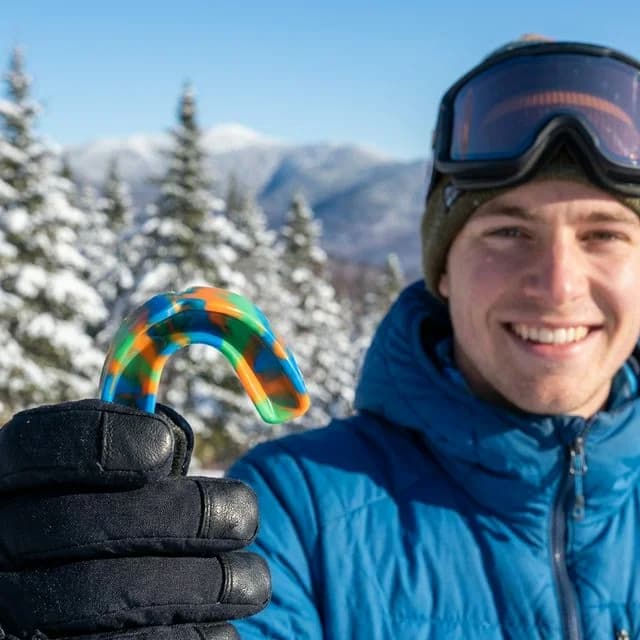
Yes. High-speed collisions on the slopes are a leading cause of dental trauma. A custom-fitted mouthguard cushions impact, protects teeth from fractures, and reduces the risk of soft tissue injuries during falls on ice or hard-packed snow.
Winter Sports Season in MetroWest
February in Marlborough means one thing: hitting the slopes and the ice. From Nashoba Valley Ski Area and Ward Hill to hockey games at Navin Arena, dental safety should be part of your gear checklist—right next to the helmet.
The Risks: More Than Just Hockey Pucks
While hockey is known for facial injuries, skiing, snowboarding, and even sledding pose significant risks.
- Collision: Impact with other skiers or stationary objects (trees, lift poles).
- Falls: Hitting the ice face-first can cause tooth avulsion (knocked-out tooth) or severe lip lacerations.
- Clenching: straining during intense physical activity can lead to jaw fatigue.
Mouthguard Options: What Provides the Best Protection?
Not all protection is created equal. Here is the medical reality:
1. Stock Mouthguards (Pre-formed)
- Pros: Cheap, available at sporting goods stores.
- Cons: Poor fit, bulky, difficult to breathe and speak. Least protective.
2. Boil-and-Bite
- Pros: Better fit than stock, inexpensive.
- Cons: Material thins out during molding, offering inconsistent protection. Can become brittle in cold winter temperatures.
3. Custom-Fitted Mouthguards (Dentist Prescribed)
- Pros: Exact mold of your teeth. Superior shock absorption. Comfortable enough to wear for hours.
- Cons: Higher initial cost.
- The Verdict: For high-impact winter sports, a custom guard offers the best defense against expensive emergency restorative work.
Medically Accurate: What to Do in a Dental Emergency?
If an accident happens on the mountain, quick action can save a tooth.
- Chipped Tooth: Find the fragment if possible. Keep it moist (in milk or saliva). Call us immediately.
- Knocked-Out (Avulsed) Tooth:
- Handle ONLY by the crown (white part), never the root.
- Rinse gently with water/saline if dirty. Do not scrub.
- Re-implant promptly if possible (adult teeth only) or store in cold milk or Hanks Balanced Salt Solution.
- Get to a dentist within 60 minutes for the best chance of survival.
Caring for Your Mouthguard
A mouthguard only works if it is in good condition. Follow these care tips to extend its life and maintain hygiene:
- Rinse with cool water or mouthwash after each use. Hot water can warp the material and change the fit.
- Store it in a ventilated case to prevent bacterial growth.
- Bring it to your dental checkups so Dr. Fatima can inspect it for wear and ensure it still fits properly.
- Replace the guard each season or whenever you notice cracks, thinning, or a loose fit.
Winter Sports and Braces or Aligners
Athletes wearing braces face an added risk during winter sports. A direct impact to the mouth can cause brackets to cut into soft tissue or damage wires. A custom mouthguard designed to fit over orthodontic hardware provides a critical buffer. For patients using Spark clear aligners or Invisalign, the aligners alone do not provide sufficient impact protection. A separate sport guard is still recommended for high-contact activities like hockey.
Schedule Before February Vacation
Don't wait for an injury to think about protection. We can fabricate a custom mouthguard quickly using digital impressions, ensuring your teen or young athlete is ready for their next run. The process takes just one short appointment at our Marlborough office, and the guard is typically ready within days.
Internal Links
- Emergency protocols → Emergency Dentistry
- Pediatric care → Children's Dentistry
- Book a fitting → Contact Us
Play hard, stay safe. Call (508) 481-0110 to schedule a custom mouthguard impression today.
Related Articles
- Fall Sports: Custom Dental Mouthguards
- Summer Sports Dental Emergencies
- Dental Emergency Guide for Marlborough