
Featured Answer: What is the best brushing and flossing technique?
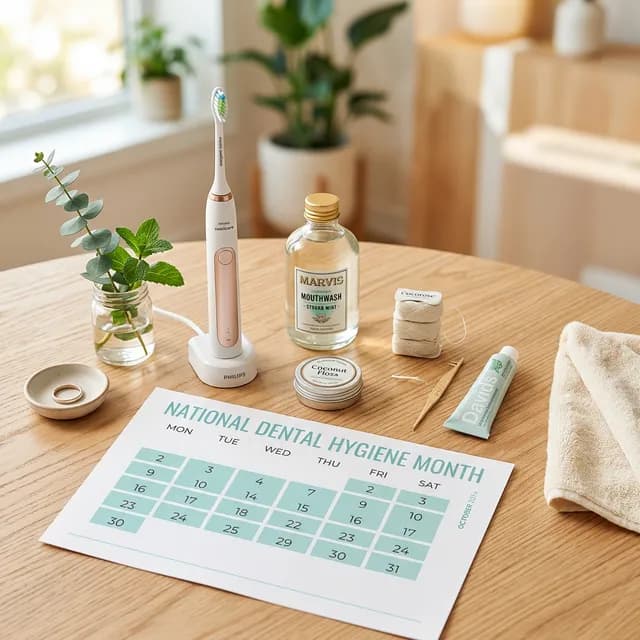
October is National Dental Hygiene Month, and at Innova Smiles in Marlborough, MA, we want to make sure patients from Framingham, Sudbury, and across MetroWest are getting the most out of their daily oral care routine. The gold standard is the Modified Bass technique: use a soft-bristled brush at a 45-degree angle toward the gumline, make small, gentle circular strokes for two full minutes, twice daily. Floss once per day by curving the floss in a C-shape against each tooth and gliding it gently under the gumline. Sounds simple, but most adults are doing at least one thing wrong—and that one mistake can undermine everything else.
Why Technique Matters More Than Products
The oral care aisle at CVS or Target in Marlborough has more options than ever—charcoal toothpaste, whitening strips, probiotic rinses, bamboo brushes. But the single biggest factor in your oral health is not which product you buy. It is how you use the basics.
A landmark study published in the Journal of Clinical Periodontology (2015) tracked 740 adults over 12 months and found that brushing technique was a stronger predictor of plaque removal than toothbrush type, toothpaste brand, or brushing duration. Patients who used proper angulation and gentle circular strokes removed 40 percent more plaque than patients who brushed for the same amount of time with a scrubbing motion.
That statistic is why we spend time during every hygiene appointment at Innova Smiles demonstrating technique—not selling products. The products you already own are probably fine. The way you use them is what determines whether plaque gets disrupted or just pushed around.
Common Brushing Mistakes
Even patients who brush twice a day may be undermining their efforts with these common errors:
- Brushing too hard or too fast: Aggressive scrubbing does not remove more plaque. It wears down enamel and can cause gum recession over time. A study in the British Dental Journal (2018) measured brushing force in 78 adults and found that the average person applies 200 to 300 grams of force—two to three times more than the 150 grams recommended by the ADA. Let the bristles do the work with gentle pressure. If your brush bristles are splaying outward within a month, you are pressing too hard.
- Skipping the gumline and back teeth: The gumline is where plaque accumulates fastest, and back molars have deep grooves that trap food and bacteria. Give every surface equal attention. The most commonly missed area? The lingual (tongue-side) surfaces of the lower front teeth. Tartar builds up there faster than anywhere else because the sublingual salivary glands deposit mineral-rich saliva directly onto those surfaces.
- Using a hard-bristled brush: Hard bristles can damage gum tissue and tooth enamel. The ADA recommends soft bristles for virtually all patients. Research published in the Journal of Clinical Dentistry shows that soft-bristled brushes remove plaque just as effectively as medium or hard bristles without causing enamel abrasion. Dr. Fatima has seen patients with 2 to 3 mm of gum recession caused entirely by years of aggressive brushing with hard bristles—damage that cannot be reversed without grafting surgery.
- Not brushing long enough: Two minutes feels longer than most people expect. The average American brushes for just 45 to 70 seconds, according to a 2019 study published in Dentistry Journal. Use a timer, a phone app, or an electric toothbrush with a built-in timer to hold yourself accountable. Divide your mouth into four quadrants and spend 30 seconds on each.
- Rinsing with water immediately after brushing: This washes away the fluoride in your toothpaste before it has time to strengthen your enamel. Instead, spit out the excess and let the residual fluoride sit on your teeth. Research from the Caries Research journal shows that patients who rinse immediately after brushing have significantly higher cavity rates than those who spit and wait.
- Keeping the same toothbrush too long: Replace your brush or brush head every three months, or sooner if the bristles are frayed. A worn brush removes up to 30 percent less plaque than a new one, according to testing published in the Journal of Clinical Dentistry.
- Brushing immediately after acidic foods or drinks: After consuming citrus, coffee, soda, wine, or sports drinks, your enamel is temporarily softened by the acid exposure. Brushing within 30 minutes can actually abrade the softened surface. Wait at least 30 minutes, or rinse with plain water first to neutralize the pH.
- Neglecting to brush before bed: Your saliva flow drops by approximately 50 percent during sleep, according to the International Journal of Dental Hygiene. That reduced flow means bacteria have free reign all night. The bedtime brushing is the most important one of the day.
Proper Brushing Technique Step by Step (Modified Bass Method)
The Modified Bass technique is the method recommended by the American Dental Hygienists' Association and is what our hygienists teach at Innova Smiles. Here is the full breakdown:
- Choose the right brush. A soft-bristled brush with a small head that can reach behind your back molars. The head should be about one inch long and half an inch wide for most adults.
- Apply a pea-sized amount of fluoride toothpaste. More is not better—excess paste creates too much foam, which makes you spit sooner and cut brushing short.
- Place the brush at a 45-degree angle where the teeth meet the gums. The bristle tips should point into the gum pocket (the sulcus). This is the critical angle—it is what makes the Modified Bass technique different from simple scrubbing.
- Make small, gentle circular or vibrating strokes, covering two to three teeth at a time. Apply light pressure and let the bristle tips do the work inside the sulcus. About 10 to 15 short strokes per area.
- Roll the brush away from the gumline after the vibrating strokes to sweep loosened plaque away from the gums. Roll downward on upper teeth, upward on lower teeth.
- Brush the outer surfaces first, then the inner (tongue-side) surfaces, then the chewing surfaces of every tooth. Following a consistent order ensures you do not skip areas.
- For the inside surfaces of the front teeth, tilt the brush vertically and use gentle up-and-down strokes with the toe of the brush.
- Brush your tongue gently from back to front to remove bacteria and freshen breath. The tongue harbors roughly 50 percent of the bacteria in your mouth, according to research in the Journal of Clinical Periodontology.
- Spit out the toothpaste but do not rinse with water. Let the fluoride residue continue to protect your enamel.
The entire process should take a full two minutes. Set a timer until the habit becomes automatic.
Electric vs. Manual Toothbrushes: The Evidence
This is one of the most common questions we hear at hygiene appointments. Here is what the research says:
The case for electric brushes: A 2014 Cochrane systematic review—the most-recommended option of evidence-based medicine—analyzed 56 clinical trials involving 5,068 participants and concluded that oscillating-rotating electric toothbrushes reduced plaque by 21 percent and gingivitis by 11 percent compared to manual brushes over a one-to-three month period. A 2019 follow-up study published in the Journal of Clinical Periodontology tracked 2,。819 adults over 11 years and found that electric toothbrush users had 18 percent less tooth loss and 22 percent less progression of periodontal disease compared to manual brush users.
The case for manual brushes: A manual brush with proper technique can achieve excellent results. The difference between electric and manual narrows significantly when the manual user has been trained in the Modified Bass technique and brushes for a full two minutes. Manual brushes are also more portable, require no charging, and cost a fraction of the price.
Our recommendation: If you have the budget, an oscillating-rotating electric toothbrush (like the Oral-B iO series) is a worthwhile investment, particularly for patients with dexterity limitations, arthritis, braces, or a history of gingivitis. If you use a manual brush with good technique for two full minutes, you can still maintain excellent oral health. The best brush is the one you will use correctly and consistently.
Flossing Made Simple
The American Dental Association confirms that flossing reaches the 35 percent of tooth surfaces that brushing alone cannot clean. Here is how to do it effectively:
- Use approximately 18 inches of floss, winding most of it around your middle fingers and leaving about two inches to work with
- Guide the floss gently between teeth using a rocking motion. Never snap it against the gums—this can cut the papilla (the triangular gum tissue between teeth) and cause bleeding that discourages you from flossing in the future
- Curve the floss into a C-shape against one tooth and slide it beneath the gumline. You should feel the floss go slightly under the gum tissue—this is where bacteria hide and where brushing cannot reach
- Move the floss up and down against the tooth surface two to three times, then repeat on the adjacent tooth
- Use a clean section of floss for each space—reusing the same segment just transfers bacteria from one site to another
Waxed vs. unwaxed floss: Waxed floss slides more easily between tight contacts, making it easier for beginners. Unwaxed floss is slightly better at gripping plaque but can shred in tight spots. Clinically, both work. Use the one you will actually use.
The best time to floss: Before brushing. A 2018 study in the Journal of Periodontology found that flossing before brushing resulted in significantly greater fluoride retention between teeth compared to brushing first. The logic is straightforward: flossing dislodges debris and opens the interproximal spaces, allowing the fluoride from your toothpaste to penetrate more effectively during brushing.
How to build the flossing habit: Pair it with something you already do daily. Many of the people we treat from Westborough and Northborough tell us they keep floss next to their coffee maker and floss while waiting for it to brew. Others floss while watching TV. The location matters less than the consistency.
Flossing Alternatives That Work
If traditional floss is difficult for you, several alternatives are equally effective when used properly:
- Interdental brushes (e.g., TePe, GUM Proxabrush): Small, cone-shaped brushes that slide between teeth. Excellent for patients with wider gaps, bridges, or implants. A 2019 meta-analysis in the Journal of Clinical Periodontology found that interdental brushes reduced interproximal plaque more effectively than floss in patients with moderate to wide interdental spaces. They come in multiple sizes (color-coded), and Dr. Fatima or our hygienists can tell you which size fits each of your interdental spaces.
- Water flossers (e.g., Waterpik): Use a targeted stream of water to flush debris and bacteria from between teeth and beneath the gumline. A great option for patients with braces, implants, bridges, or dexterity challenges. Research published in the Journal of Clinical Dentistry (2013) showed that a water flosser reduced bleeding on probing by 93 percent more than string floss in patients with mild to moderate gingivitis.
- Floss picks: Disposable holders with a short strand of floss. More convenient but offer less control than traditional floss because you cannot curve the floss into a C-shape as effectively. Better than not flossing at all.
- Soft picks (rubber-tipped interdental cleaners): Flexible rubber bristles that slide between teeth. Gentle on sensitive gums and easy to use one-handed. Good for light maintenance but may not reach as deep as floss or interdental brushes in tight contacts.
Dr. Fatima can recommend the best interdental tool for your specific needs during your next checkup. For more daily routine tips, read our companion post on essential healthy smile habits.
Tongue Cleaning: The Overlooked Step
Your tongue is a breeding ground for bacteria. Its rough, papillated surface traps food particles, dead cells, and bacterial biofilm that contribute to bad breath (halitosis) and can reinfect your teeth and gums after brushing.
A 2004 study in the Journal of Periodontology found that tongue cleaning reduced volatile sulfur compounds—the primary cause of bad breath—by 75 percent, compared to just 45 percent for brushing alone. A dedicated tongue scraper is more effective than using your toothbrush on the tongue because the flat edge makes better contact with the tongue surface.
How to clean your tongue:
- Stick your tongue out as far as comfortable
- Place the scraper or the back of your brush at the back of the tongue
- Apply gentle pressure and pull forward in one smooth stroke
- Rinse the scraper and repeat three to five times until no more residue is visible
- Rinse your mouth with water
Do this once daily, ideally as the last step of your morning routine. It takes about 15 seconds and makes a noticeable difference in breath freshness.
Mouthwash: Helpful or Optional?
Mouthwash can be a valuable addition to your routine, but it is not a substitute for brushing and flossing:
- Fluoride rinses (e.g., ACT): Help remineralize enamel and reduce cavity risk. Best used at a different time than brushing, such as after lunch, to give your teeth an extra fluoride exposure. The Community Dentistry and Oral Epidemiology journal published data showing that daily fluoride rinsing reduces cavity incidence by approximately 26 percent in adults at elevated caries risk.
- Antimicrobial rinses (e.g., CPC or chlorhexidine): Reduce bacteria that cause gingivitis and bad breath. Chlorhexidine is prescription-strength and typically recommended for short-term use after periodontal treatment or oral surgery. Long-term use can cause brown staining on teeth and altered taste sensation. CPC (cetylpyridinium chloride) rinses like Crest Pro-Health are available over the counter and are gentler for daily use.
- Alcohol-free formulas: Preferred for patients with dry mouth, sensitivity, or a history of oral cancer. Alcohol-based rinses can be drying and irritating for some patients. The Oral Oncology journal has published multiple studies confirming that alcohol-containing mouthwashes should be avoided by patients with xerostomia (dry mouth) because they worsen the condition.
- Hydrogen peroxide rinses: Some whitening mouthwashes contain low-concentration hydrogen peroxide (1.5 to 3 percent). These can provide mild whitening and antimicrobial benefits but should not be used daily long-term without consulting your dentist, as they can irritate soft tissue with prolonged use.
The best oral care routine is one you follow consistently. Mouthwash is a bonus, not a replacement.
When to use mouthwash in your routine: If you use a fluoride rinse, the optimal time is after lunch or in the afternoon—separate from your morning and evening brushing. This gives you a third fluoride exposure during the day. If you use an antimicrobial rinse, the most effective time is right before bed, after brushing and flossing, to reduce the bacterial load during the overnight hours when saliva flow is lowest.
Building the Complete Daily Routine
Here is the evidence-based sequence we recommend to our patients at Innova Smiles. It takes about five minutes total, twice a day:
Morning routine (2 to 3 minutes):
- Floss all teeth (C-shape technique, both sides of every contact)
- Brush for two minutes using the Modified Bass technique
- Spit—do not rinse
- Scrape your tongue
After lunch (30 seconds):
- Rinse with water or use a fluoride mouthwash
- If you have access to a brush, a quick two-minute brushing is a bonus but not required
Evening routine (3 minutes):
- Floss all teeth
- Brush for two minutes
- Spit—do not rinse
- Optional: antimicrobial or fluoride rinse (wait 30 minutes after brushing if using a fluoride rinse to avoid washing away the toothpaste fluoride)
Hygiene Mistakes We See Most Often at Innova Smiles
After thousands of hygiene appointments in our Marlborough office, our team has compiled a list of the most common patterns that lead to cavities and gum disease in otherwise health-conscious patients:
- Flossing only before dental appointments. We can tell. Bleeding gums during a cleaning are a sign of chronic inflammation from insufficient interdental care. Healthy gums that are flossed daily do not bleed.
- Using whitening toothpaste as a daily driver. Many whitening toothpastes contain abrasive particles that can wear enamel over time. They are fine for occasional use but should not replace a standard fluoride toothpaste for daily brushing. Look for the ADA Seal of Acceptance on the packaging.
- Skipping the nighttime brushing. Patients from Hopkinton, Ashland, and across MetroWest tell us the same thing: after a long day, brushing before bed feels like a chore. But the nighttime brushing is the most protective one. Bacteria multiply rapidly in a dry, sleeping mouth.
- Over-relying on mouthwash. Swishing Listerine does not replace the mechanical disruption of plaque that brushing and flossing provide. Mouthwash kills some surface bacteria, but the biofilm on your teeth is a structured community that requires physical disruption.
- Ignoring bleeding gums. Bleeding when you brush or floss is not normal. It is the earliest sign of gingivitis—reversible gum inflammation caused by plaque buildup. Many patients stop flossing an area because it bleeds, which allows the problem to worsen. The correct response is to floss that area more consistently. The bleeding typically resolves within one to two weeks as the inflammation subsides.
- Sharing toothbrushes. This transfers bacteria between mouths, including cavity-causing Streptococcus mutans and periodontal pathogens. Each family member needs their own brush, stored upright and not touching other brushes.
- Storing toothbrushes in closed containers. Bacteria thrive in moist, enclosed environments. Let your brush air-dry upright between uses. The ADA specifically recommends against storing toothbrushes in closed containers or covering the bristles routinely.
Special Considerations for Different Life Stages
Children (ages 1 to 6): Use a rice-grain-sized smear of fluoride toothpaste for children under 3, and a pea-sized amount for ages 3 to 6. Parents should brush for children until they can tie their own shoes—fine motor skills develop around the same time. Start flossing as soon as two teeth touch.
Teens with braces: Brushing and flossing take longer with orthodontic appliances. A water flosser is a worthwhile investment during treatment. Teens with braces who do not maintain hygiene are at high risk for white spot lesions (demineralized enamel around brackets) that become permanent stains.
Adults with dental work: Bridges require floss threaders or superfloss. Implants need gentle cleaning around the abutment with interdental brushes. Patients with multiple crowns should use non-abrasive toothpaste to protect the ceramic surface.
Older adults: Medications for blood pressure, depression, allergies, and pain can reduce saliva flow, increasing cavity risk dramatically. Dry mouth patients benefit from fluoride rinses, xylitol lozenges, and more frequent dental cleanings (every 3 to 4 months instead of every 6).
Keep It Practical in MetroWest
Busy I-495 schedules make it easy to skip steps. Keep a travel kit with a toothbrush, mini toothpaste, and floss picks at work or in your gym bag so you can brush after lunch. Even rinsing with water after meals helps wash away acids and food particles when brushing is not possible.
A few MetroWest-specific tips from our team:
- If you commute on the Pike or I-495 and eat breakfast in your car, keep a water bottle handy to rinse after eating. Sitting in traffic with coffee and a muffin coating your teeth for 45 minutes is a recipe for acid erosion.
- If your kids play in local sports leagues—soccer in Hudson, hockey in Framingham, lacrosse in Natick—make sure they drink water, not sports drinks, during games. Sports drinks are one of the biggest drivers of enamel erosion in young athletes. The British Journal of Sports Medicine reported that 49 percent of elite athletes had untreated tooth decay, with sports drink consumption as a primary contributor.
- Our MetroWest winters are dry. Indoor heating reduces humidity, which can worsen dry mouth and increase cavity risk. Running a humidifier at night and staying hydrated throughout the day helps maintain healthy saliva flow.
Need a technique refresher? Call (508) 481-0110 or book a visit.
Related Articles
- Essential Dental Hygiene Tips for a Healthy Smile
- Why Dental Cleanings Matter More Than You Think
- Deep Cleaning vs. Regular Cleaning: Understanding SRP