Featured Answer: What should you look for in a dentist?
Look for verified credentials beyond the basic DDS or DMD degree, modern diagnostic technology (especially digital X-rays and CBCT), consistently positive patient reviews mentioning comfort and communication, transparent pricing, broad insurance acceptance, and an office environment where you feel heard rather than rushed. A great dentist invests in continuing education, explains treatment options clearly, and makes you feel like a partner in your care, not just a patient in a chair.
Choosing a new dentist is one of those decisions that feels simple but carries real weight. Your dentist does not just clean your teeth, they monitor your oral health for signs of systemic disease, make treatment recommendations that affect your quality of life for decades, and become the person you trust during vulnerable moments like emergency care or complex procedures. If you have recently moved to Marlborough or the surrounding MetroWest area, are dissatisfied with your current provider, or are seeking a dentist for the first time as an adult, this guide will help you evaluate your options with the eye of an informed consumer.
Credentials: What Degrees and Fellowships Actually Mean
Every practicing dentist in Massachusetts holds either a Doctor of Dental Surgery (DDS) or Doctor of Dental Medicine (DMD) degree. These degrees are functionally identical, the difference is simply naming convention between dental schools. Both require four years of graduate dental education after a bachelor's degree.
But a degree is just the starting point. Here is what to look for beyond the diploma:
Board Certification and Specialties
While general dentists are licensed to perform a wide range of procedures, some pursue board certification in specialties recognized by the American Dental Association, such as:
- Periodontics (gum disease and implant surgery)
- Endodontics (root canal therapy)
- Prosthodontics (crowns, bridges, dentures, full mouth reconstruction)
- Oral and Maxillofacial Surgery
- Pediatric Dentistry
- Orthodontics
A general dentist who handles most of your care in-house but maintains strong referral relationships with specialists for complex cases offers the best of both worlds, convenience and expertise.
Fellowships and Advanced Training
Fellowships indicate that a dentist has pursued rigorous additional training and passed examinations beyond the baseline licensure requirements. Two particularly meaningful fellowships for patients considering implants or complex restorative work:
- FICOI (Fellow of the International Congress of Oral Implantologists): Requires documentation of at least 20 completed implant cases, completion of 100 or more hours of implant education in the past five years, a letter of recommendation, and submission of a curriculum vitae. This credential signals that the dentist has substantial clinical experience in implant dentistry with documented outcomes.
- FAAIP (Fellow of the American Academy of Implant Prosthodontics): Requires demonstrated expertise in both the surgical placement and prosthetic restoration of implants, not just one side of the equation.
These fellowships are not automatic or honorary. They require years of clinical experience and peer-reviewed case documentation. When evaluating a dentist for implant work, ask specifically about fellowship credentials.
Continuing Education
Massachusetts requires dentists to complete 40 hours of continuing education every two years for license renewal. That's the legal minimum. The dentists who stay current with new techniques pursue far more. Ask your prospective dentist what continuing education courses they have taken recently and what topics they focus on. A dentist who attends annual conferences, takes hands-on training in new techniques, and brings advanced skills back to the practice is investing in your care.
Technology: What Modern Equipment Means for Your Care
Dental technology has evolved dramatically in the last decade. The equipment in the office directly affects the accuracy of diagnosis, the comfort of treatment, and the predictability of outcomes. Here is what to look for:
3D CBCT Imaging
Cone Beam Computed Tomography (CBCT) is a 3D imaging system that provides a complete three-dimensional view of your teeth, jawbone, nerves, sinuses, and surrounding structures. Unlike a traditional two-dimensional dental X-ray, which compresses three dimensions into a flat image, CBCT reveals:
- Exact bone volume and density for implant planning
- The precise location of the inferior alveolar nerve (critical for avoiding nerve damage during lower jaw procedures)
- Hidden fractures, infections, and pathology invisible on standard X-rays
- Sinus anatomy for upper jaw implant planning
A dental office that has an in-house CBCT scanner can diagnose and plan treatment more accurately, often in a single visit. Offices without this technology must refer you to an imaging center, adding time, cost, and inconvenience.
Digital X-Rays
All modern dental offices should have transitioned from film to digital radiography. Digital X-rays use up to 80% less radiation than traditional film, produce instant images (no chemical developing), and can be enhanced, zoomed, and compared side-by-side on screen. If a practice is still using film X-rays, it is a signal that they may not be investing in current technology.
Intraoral Cameras and Digital Scanners
- Intraoral cameras allow the dentist to show you magnified, real-time images of your teeth on a screen. This transforms the diagnosis conversation from "trust me, there is a cavity on tooth number 14" to "here, look at this image, you can see exactly where the decay starts." Transparency builds trust.
- Digital impression scanners (such as the iTero or 3Shape systems) eliminate the need for goopy impression trays. A digital scan creates a precise 3D model of your teeth in minutes, improving accuracy for crowns, aligners, and other restorations while eliminating the gag-inducing experience of traditional impressions. Read more about digital dental impressions.
Laser Dentistry
Dental lasers are used for gum recontouring, treating early-stage gum disease, and certain cavity preparations with less discomfort and faster healing than traditional methods. While not every practice needs every laser, the presence of laser technology generally indicates a commitment to minimally invasive care.
Patient Reviews: How to Read Them Critically
Online reviews are one of the most influential factors in choosing a dentist, and rightly so, they represent the unfiltered experience of actual patients. But not all reviews are equally informative. Here is how to extract genuine insight:
What to Prioritize
- Consistency over time. A practice with hundreds of reviews averaging 4.7 or higher over several years is a much stronger signal than a small number of five-star reviews posted in a single month.
- Specificity. Reviews that mention specific experiences ("Dr. X explained the crown procedure step by step," "The hygienist was gentle and thorough," "They worked with my insurance to reduce my out-of-pocket cost") are more reliable than generic praise.
- How the practice responds to negative reviews. Every practice gets an occasional negative review. What matters is the response. A practice that responds professionally, acknowledges the concern, and offers to resolve it offline demonstrates maturity and accountability.
- Reviews on multiple platforms. Check Google, Healthgrades, Zocdoc, and Yelp. Consistency across platforms is more meaningful than dominance on a single one.
Red Flags
- A pattern of reviews mentioning feeling rushed, pressured into treatment, or surprised by costs
- Multiple reviews mentioning difficulty reaching the office or long wait times
- A sudden cluster of five-star reviews with generic language (possible review solicitation)
- Defensive or dismissive responses to criticism
Insurance and Financial Transparency
Dental care is an investment, and the financial side of choosing a dentist matters. Here is what to evaluate:
Insurance Acceptance
If you have dental insurance, confirm that the practice accepts your specific plan as in-network. In-network dentists have agreed to set fee schedules with your insurer, which typically means lower out-of-pocket costs for you. However, an out-of-network dentist can still be a good choice if their fees are reasonable and they are willing to submit claims on your behalf.
Common insurance networks accepted by MetroWest dental practices include Delta Dental, Cigna, Aetna, MetLife, Guardian, and BlueCross BlueShield. Ask specifically about your plan, not just the carrier, there can be multiple plan tiers within a single carrier.
Fee Transparency
Before committing to treatment, you should receive a written treatment plan with itemized fees and an estimate of your insurance coverage. A trustworthy practice:
- Provides cost estimates before starting work
- Explains what insurance will and will not cover
- Offers multiple treatment options when appropriate (with cost comparisons)
- Has a financial coordinator available to answer billing questions
Financing Options
For larger procedures like implant treatment, veneers, or full-arch restoration, ask about payment plans and third-party financing. CareCredit and LendingClub are widely offered in dental practices and provide interest-free payment periods for qualified applicants.
The Office Environment and Team
The physical space and the people in it tell you a lot about a practice's values:
Cleanliness and Organization
Modern infection control standards require dental offices to follow OSHA and CDC guidelines for sterilization, personal protective equipment, and surface disinfection. A clean, well-organized office is the baseline expectation. If you notice clutter in treatment rooms, staff not wearing gloves, or instruments that appear to be sitting out in the open, these are serious red flags.
Communication Style
During your first visit, pay attention to how the dentist communicates:
- Do they explain findings in plain language?
- Do they show you images or X-rays and walk you through what they see?
- Do they present treatment options and let you choose, or do they prescribe a single plan?
- Do they ask about your concerns, priorities, and comfort level?
- Do they seem rushed, or do they take time with you?
A dentist who treats you as a partner in decision-making, rather than a passive recipient of treatment, is more likely to earn your long-term trust.
Staff Interactions
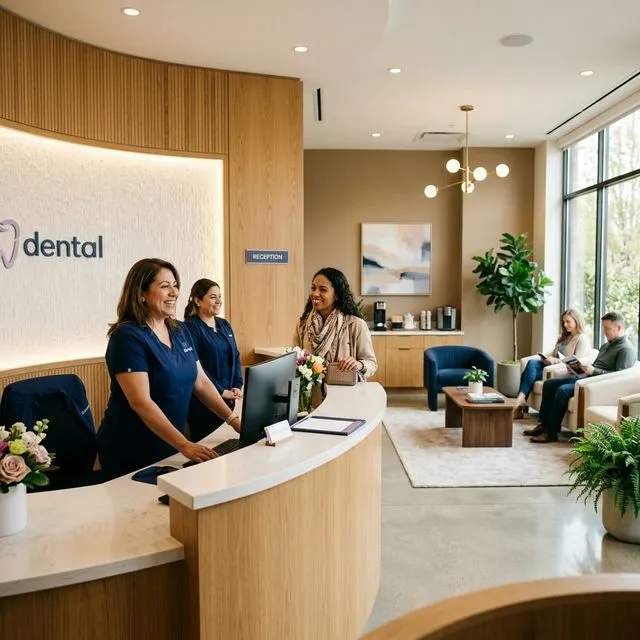
The hygienists, assistants, and front desk team are an extension of the dentist. A practice where the staff is friendly, knowledgeable, responsive to phone calls and emails, and clearly enjoys working there is a practice with a healthy culture. High staff turnover (different hygienist every visit) can indicate management problems.
Emergency Availability
Dental emergencies do not happen during business hours only. Before you need one, ask your prospective dentist:
- Do they reserve same-day appointment slots for emergencies?
- Is there an after-hours phone line or on-call system?
- What happens if you have an emergency on a weekend or holiday?
A practice that provides genuine emergency access demonstrates a commitment to patient care that goes beyond routine appointments. For more on dental emergency preparedness, see our guide on emergency dental care.
Location and Convenience
Practical factors matter. A dentist located 45 minutes away may be excellent, but if the commute causes you to skip or delay appointments, the quality advantage is lost. Consider:
- Proximity to your home or workplace. Patients from Hudson, Northborough, Westborough, Sudbury, and Framingham find Marlborough centrally accessible via Route 20, I-290, and I-495.
- Office hours. Does the practice offer early morning, evening, or Saturday appointments?
- Parking. Is parking free, plentiful, and close to the entrance?
- Accessibility. Is the office ADA-compliant for patients with mobility limitations?
A Framework for Your Decision
To synthesize everything above, here is a practical evaluation checklist you can use when considering any dentist:
No practice will be perfect on every dimension, but the right dentist for you will score highly on the factors that matter most to your situation. A young family may prioritize pediatric experience and Saturday hours. A patient with dental anxiety may prioritize communication style and comfort options. Someone seeking implants should focus on fellowship credentials and 3D imaging capability.
Why Patients Choose Innova Smiles
We would not write a guide about choosing a dentist without being transparent about why we believe our practice meets the criteria outlined above. At Innova Smiles in Marlborough:
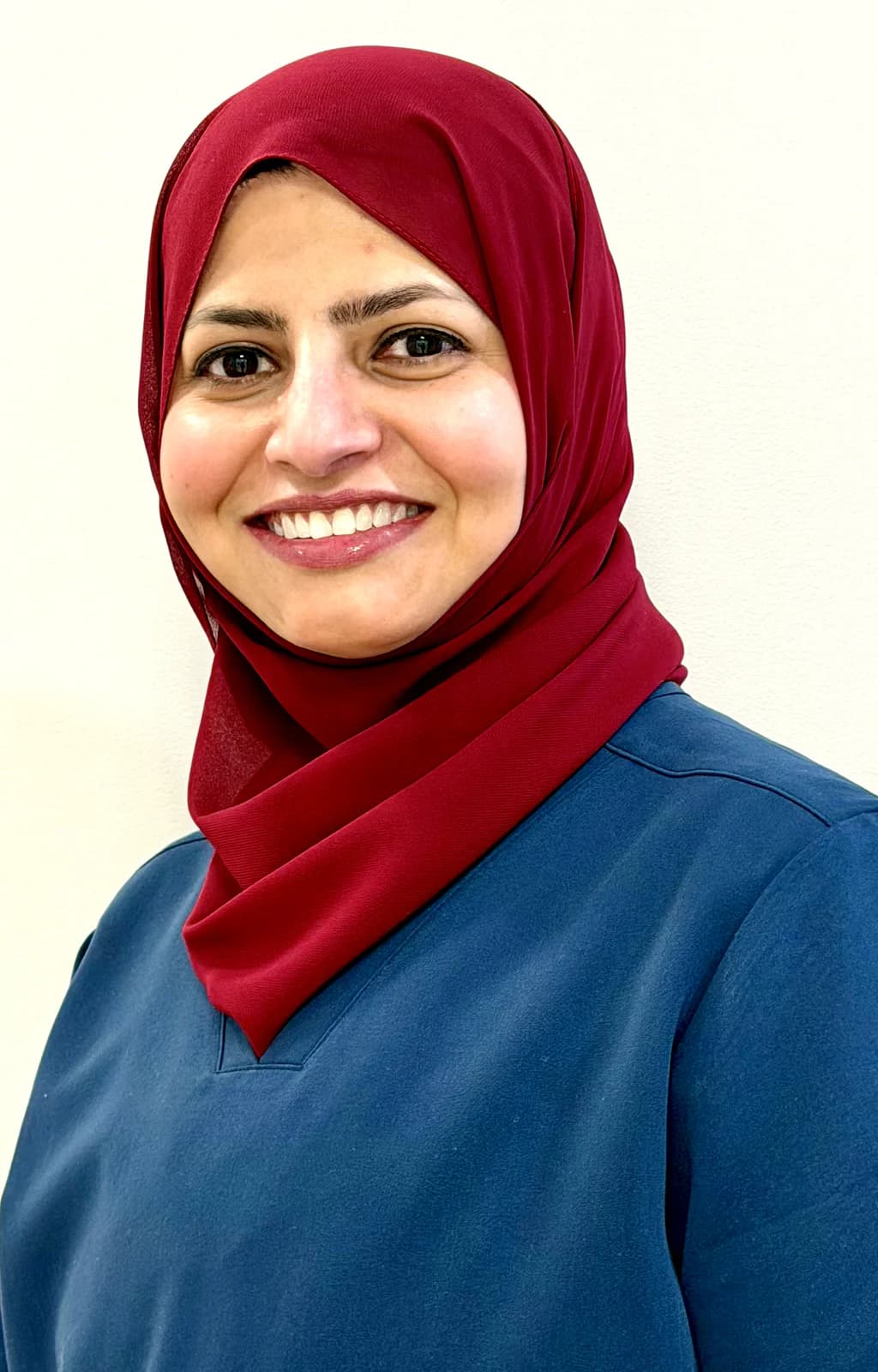
- Dr. Ambereen Fatima holds dual fellowships (FICOI and FAAIP), reflecting advanced training in both implant surgery and implant prosthodontics. Learn more about why implant credentials matter.
- We invest in technology. Our office has in-house CBCT, digital X-rays, intraoral cameras, and 3Shape digital impression scanners.
- Our reviews speak for themselves. We maintain consistently high ratings on Google and Healthgrades, with patients frequently noting our communication style and comfortable environment.
- We accept most major PPO insurance plans and offer CareCredit financing for larger procedures.
- Same-day emergency appointments are available for existing and new patients.
- We serve all ages, from a toddler's first dental visit to a grandparent's implant consultation.
We share this not as a sales pitch, but because we believe patients deserve the same transparency we advocate for in this guide.
Choosing a dentist is a personal decision, and we believe you deserve all the information needed to make it wisely. If you are exploring your options in the Marlborough and MetroWest area, we invite you to schedule a meet-and-greet visit, no commitment, no pressure. Call (508) 481-0110 or book online.
Related Articles
- What to Expect at Your First Visit to Innova Smiles
- Helping Anxious Patients: Marlborough's Gentle Dentist
- DSO vs. Private Practice: What to Look For
- Innova Smiles vs. Aspen Dental: How We Compare
Related Services
Sources & Further Reading
- Periodontics (Gum Disease and Implant Surgery) | American Academy of Periodontology — American Academy of Periodontology
- Endodontics and Root Canal Therapy | American Association of Endodontists — American Association of Endodontists
- Pediatric Dentistry | American Academy of Pediatric Dentistry — American Academy of Pediatric Dentistry
- Oral and Maxillofacial Surgery | American Association of Oral and Maxillofacial Surgeons — American Association of Oral and Maxillofacial Surgeons