Featured Answer: What is the difference between a DSO and a private practice dentist?
A DSO (Dental Service Organization) is a corporate entity that owns or manages multiple dental offices, handling business operations like billing, marketing, staffing, and supply purchasing. Business decisions—and sometimes treatment protocols—are driven by corporate executives focused on profitability. A Private Practice is independently owned and operated by the dentist, allowing for complete clinical autonomy, personalized care, and long-term doctor-patient relationships without corporate production quotas. About 10 percent of U.S. dental practices are now DSO-affiliated, according to the ADA Health Policy Institute, and the number is climbing.
What Exactly Is a DSO?
A Dental Service Organization is a management company that provides non-clinical business support to dental practices. The concept started in the 1990s as a way to help dentists offload administrative burdens—things like payroll, insurance credentialing, IT infrastructure, and marketing. In theory, it lets dentists focus on clinical care while the business side runs itself.
The problem is that the model has evolved. Modern DSOs are often backed by private equity firms looking for returns on investment. According to a 2023 report by the ADA Health Policy Institute, private equity-backed DSOs grew from owning roughly 8 percent of dental practices in 2017 to over 10 percent by 2023. Some estimates project that figure could reach 30 percent by 2030 if current acquisition rates continue.
DSOs come in several forms, and understanding the differences matters:
- Management-only DSOs provide back-office support (billing, HR, marketing) but let the dentist retain clinical decision-making authority. This is the original DSO model.
- Equity-ownership DSOs purchase the practice outright or take a majority stake. The dentist becomes an employee or minority partner. Clinical decisions may still rest with the dentist on paper, but revenue targets influence behavior.
- Private equity-backed DSOs acquire practices aggressively, often rolling 20 to 50 or more locations into a portfolio with the goal of increasing revenue metrics and eventually selling to a larger buyer at a profit. The Journal of the American Dental Association reported in 2023 that private equity-backed transactions in dentistry exceeded $10 billion over the preceding five years.
In practical terms, if your dental office was recently bought by a DSO, you might notice:
- A new corporate name or branding on the building
- Different dentists rotating through the office
- More aggressive treatment recommendations
- Shorter appointment times
- Changes to which insurance plans are accepted
- New pressure to schedule procedures you did not previously discuss
- Changes in office staff—DSOs often restructure administrative teams after acquisition
Some DSOs operate transparently, and some employ excellent dentists. The issue is not that every DSO delivers poor care—it is that the corporate structure creates financial incentives that can conflict with conservative, patient-centered treatment planning.
How to Tell if Your Dentist Is Part of a DSO
Many patients have no idea their dental office has been acquired. The original name might stay on the door. The same receptionist might greet you. But the ownership changed, and with it, the incentive structure. Here are signs to watch for:
- Your dentist left and a new one appeared with little explanation
- Treatment recommendations suddenly became more aggressive or expensive
- The office started promoting specific products or services that were never discussed before
- Your insurance coverage or accepted plans changed
- Appointment times feel shorter
- You receive frequent texts or emails pushing specific treatments or sales
- The office vibe shifted from personal to transactional
If you suspect a change, simply ask the front desk: "Who owns this practice?" A straightforward answer is a good sign. Evasion or confusion is not.
The Hidden Shift in Modern Dentistry
If you have noticed your childhood dental office changing its name, seeing different doctors every time you visit, or feeling more pressure to accept expensive treatments, you might be experiencing the shift from private practice to corporate dentistry.
This shift is particularly visible here in MetroWest Massachusetts. Along the I-495 and Route 9 corridors, several longtime independent offices in Framingham, Natick, and Marlborough have been acquired by national DSO chains over the past five years. The signage stays familiar, but the ownership—and sometimes the treatment philosophy—changes behind the scenes.
The dynamic is accelerating nationally because of demographics. Roughly 10,000 dentists retire each year in the United States, according to the ADA. Many of those retiring dentists sell their practices to DSOs because the purchase price is attractive—DSOs often pay 70 to 90 percent of annual collections, sometimes more for high-revenue locations. For a dentist nearing retirement, that offer can be hard to turn down. The result is that neighborhoods lose independent providers one by one, often without patients even realizing the shift has happened.
At Innova Smiles in Marlborough, we proudly remain an independent, family-owned private practice. Here is why that matters for your health, your wallet, and your peace of mind.
1. Continuity of Care: Seeing *Your* Doctor
The Corporate DSO Experience
Corporate clinics often suffer from high turnover rates. A 2022 analysis published by the National Bureau of Economic Research found that dentist turnover at DSO-affiliated practices was significantly higher than at independent offices. Young dentists may work at a DSO for a year or two to pay down student loans, then move on to open their own practice or join another group. For patients, this means you rarely see the same doctor twice.
Every visit requires re-explaining your dental history, your sensitivities, and your treatment goals. Complex, multi-visit treatments—like implant treatment, clear aligner treatment, or phased full mouth restoration—might be started by one doctor, monitored by a second, and completed by a third. Each handoff introduces the possibility of miscommunication and inconsistency.
The numbers are stark. A 2023 workforce study by the Health Resources and Services Administration (HRSA) found that associate dentists at corporate-owned practices stayed an average of 1.8 years before leaving. Compare that to the average tenure at independent practices, where associate dentists stayed 4.5 years or longer—and owner-dentists, by definition, stay indefinitely.
The Private Practice Advantage
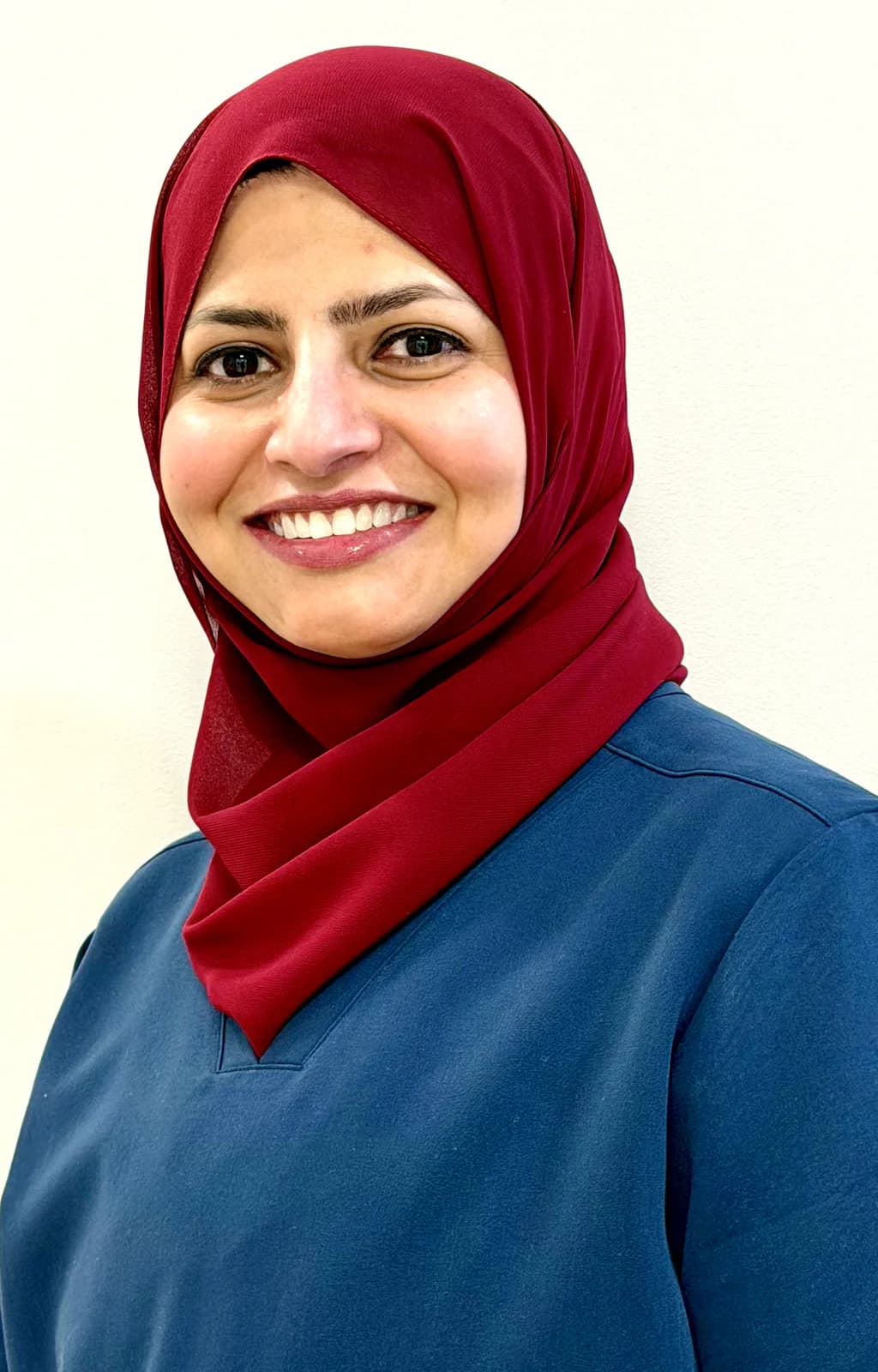
When you visit Innova Smiles, Dr. Ambereen Fatima is your doctor today, tomorrow, and years from now. She builds multi-generational relationships with families across MetroWest. She knows your history—which teeth you are anxious about, how you respond to anesthesia, what your long-term goals are. This continuity is the foundation of preventive, conservative dentistry. It also means Dr. Fatima catches problems earlier because she knows your baseline.
A study published in the British Dental Journal (2020) found that patients with a consistent provider relationship had significantly better adherence to preventive care recommendations and lower rates of emergency dental visits. That tracks with what we see every day in our Marlborough office. When Dr. Fatima notices a subtle change in a tooth she has been monitoring for two years, she can intervene with a small filling before the problem escalates to a crown or root canal. A new dentist seeing you for the first time does not have that context.
2. Clinical Autonomy vs. Corporate Quotas
The Corporate DSO Experience
A 2023 survey by the ADA found that dentists in private practice report significantly higher job satisfaction and clinical autonomy than those in corporate settings. In many DSOs, dentists are employees of a larger management group. They are frequently assigned daily production quotas—sometimes several thousand dollars per day in collections—and strict time limits per patient (as little as 45 to 60 minutes for a new patient exam that should take 90 minutes).
This high-volume model can incentivize over-treatment. When a dentist has a production target to meet, there is pressure to recommend a crown when a filling would suffice, or to push a full set of X-rays at every visit rather than following the ADA's evidence-based guidelines for imaging frequency. A 2021 investigation by the Journal of the American Dental Association found that patients at DSO-affiliated practices received significantly more crown recommendations than patients at independent practices for comparable clinical presentations.
This is not a reflection on the individual dentists—many are talented, well-intentioned clinicians. The structure itself creates the pressure. A 2024 anonymous survey of DSO-employed dentists conducted by Dental Economics revealed that 38 percent reported feeling "regular pressure" to recommend treatment they considered clinically unnecessary, and 24 percent said they had been explicitly told their job security depended on meeting production targets.
The Private Practice Advantage
As an independent owner, Dr. Fatima answers only to her patients, not to corporate shareholders. There are no daily production quotas at Innova Smiles. If a tooth can be saved with a simple filling, that is what we recommend. If a treatment can be phased over time to fit your budget, we plan it that way. We take the time to explain your Insurance and Financing options transparently, without high-pressure tactics or artificial urgency.
Conservative dentistry saves teeth and saves money. It is also better medicine. A filling costs $145–$564. A crown costs $889–$1,977. When the filling is clinically appropriate, recommending the crown instead costs the patient several times more for no additional benefit. Over a lifetime of dental care, those compounded differences add up to thousands of dollars.
3. Treatment Planning Differences
This is where the rubber meets the road for most patients. The treatment plan you receive at a DSO versus a private practice can look dramatically different—even for the same mouth.
How DSOs Approach Treatment Plans
Many DSOs use centralized treatment planning software that flags "opportunities" based on diagnostic codes. The system might automatically recommend crowns for teeth with large existing fillings, suggest deep cleanings when a standard prophylaxis would suffice, or push elective cosmetic procedures during routine visits. The dentist reviews and signs off, but the initial plan is generated with revenue optimization in mind.
Patients have told us about receiving treatment plans at corporate offices listing five figures' worth of recommended procedures, only to get a second opinion at our office and learn that a small fraction of it was clinically necessary work buried among elective suggestions.
A particularly common pattern involves deep cleaning (scaling and root planing, or SRP). A standard prophylaxis cleaning (CDT code D1110) reimburses around $80 to $120 from insurance. A deep cleaning (CDT codes D4341/D4342) reimburses $200 to $350 per quadrant. Some DSOs have been documented recommending full-mouth deep cleanings for patients with mild gingivitis who would be adequately treated with a standard cleaning and improved home care. The American Academy of Periodontology has clear guidelines on when SRP is indicated—it requires measurable periodontal pockets of 4 mm or deeper with clinical attachment loss.
How We Approach Treatment Plans
At Innova Smiles, Dr. Fatima creates every treatment plan from scratch based on her clinical findings, your symptoms, and your goals. She categorizes recommendations by urgency—what needs attention now, what should be monitored, and what is purely elective. She explains the reasoning behind each recommendation and answers every question. There is no software algorithm involved.
We also welcome second opinions. If you received a treatment plan elsewhere that feels aggressive or confusing, bring it in. Dr. Fatima will review it against her own findings and give you her honest assessment. There is no charge for a second-opinion evaluation.
4. Quality of Materials and Dental Labs
The Corporate DSO Experience
To maximize profit margins across hundreds of clinics, corporate chains often mandate the use of centralized, discounted dental laboratories or cheaper overseas materials for crowns, dentures, and aligners. A crown fabricated by a high-volume overseas lab might cost the DSO $60 to $90, compared to several times that from a premium domestic lab. The patient pays a similar fee either way, but the quality and longevity of the restoration can differ significantly.
Materials matter. A poorly fitting crown can lead to decay at the margins within five to seven years, requiring replacement and potentially a root canal. The short-term savings to the DSO can create long-term costs for the patient.
The gap in quality is not theoretical. A 2020 study in the Journal of Prosthetic Dentistry analyzed crown marginal fit from domestic and overseas labs and found that crowns from high-volume overseas facilities had significantly larger marginal gaps—averaging 120 to 180 microns compared to 40 to 80 microns from premium domestic labs. A larger marginal gap means more space for bacteria to infiltrate, which accelerates recurrent decay.
The Private Practice Advantage
We refuse to compromise on quality. Innova Smiles partners only with elite, local specialized dental laboratories in Massachusetts. We use premium, biocompatible materials—zirconia and e.max lithium disilicate for crowns, BPA-free composites for fillings—and invest in in-house technology like our 5D Smile RayFace Scanner to ensure restorations look perfectly natural and last.
When Dr. Fatima sends a case to our lab, she communicates directly with the ceramist—the person who actually fabricates the restoration. She shares photos, shade notes, and specific instructions about your tooth anatomy and the esthetic result you want. That level of communication does not happen when a corporate office ships digital files to a factory.
5. The Atmosphere: One-on-One vs. The Assembly Line
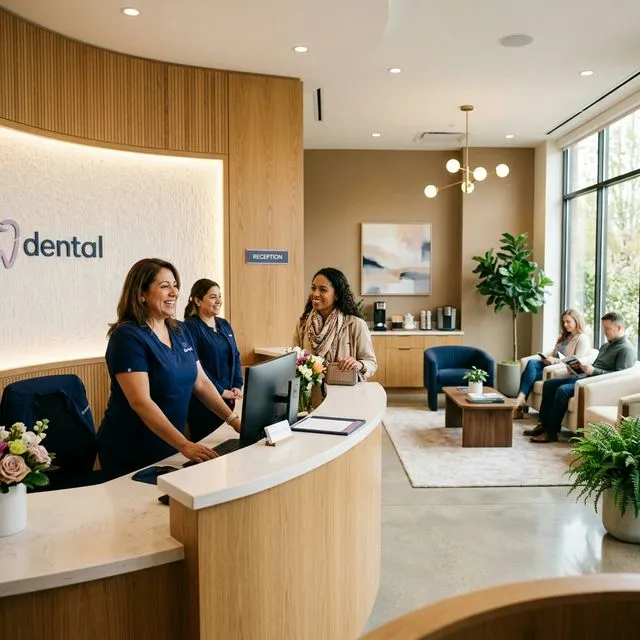
Corporate offices are designed for volume. Waiting rooms are often packed, appointments feel rushed, and the environment can feel impersonal. Some DSO offices schedule patients every 30 minutes across multiple operatories, with the dentist rotating between rooms while hygienists handle the bulk of the appointment time.
At our Marlborough practice, we have intentionally designed a calmer, more personal environment. We schedule ample time for every appointment so you never feel hurried out the door. New patients get 90-minute blocks. Routine cleanings are never double-booked. From the moment you walk in, you are treated like a guest, not a number on a schedule.
Patients who drive in from Sudbury, Hopkinton, and Ashland regularly tell us the difference in atmosphere is noticeable from the first visit. Several have mentioned that they chose to drive past corporate offices closer to home because the experience here is worth the extra minutes.
6. Transparency in Pricing and Treatment Planning
The Corporate DSO Experience
DSO clinics often present treatment plans generated by centralized software systems that prioritize revenue targets. Patients may receive a lengthy list of recommended procedures without a clear explanation of urgency, alternatives, or the option to phase treatment over time. Second opinions are rarely encouraged. Some DSOs also steer patients toward in-house financing plans with high interest rates—sometimes 18 to 29 percent APR—creating financial pressure to accept large treatment plans immediately.
Another pricing tactic to watch for: promotional "loss leaders." DSOs frequently advertise heavily discounted cleanings or exams ($49 new patient specials, for example) to get patients in the door, then present aggressive treatment plans during the visit. The discounted exam was never designed to be profitable—the profit comes from the treatment that follows.
The Private Practice Advantage
At Innova Smiles, every treatment plan is created by Dr. Fatima based on clinical findings and your individual goals. We present options—from the most conservative approach to the most comprehensive—and explain the trade-offs of each. We welcome second opinions and encourage patients to make informed decisions without time pressure. Our pricing page lists procedure costs transparently so there are no surprises.
We also help patients navigate financing options that are genuinely patient-friendly—including CareCredit promotional financing with 0 percent interest for qualifying terms—rather than steering you toward high-interest plans that primarily benefit the practice.
7. Insurance Billing Differences
Insurance billing at a DSO versus a private practice can differ in ways most patients never see.
At DSOs: Corporate billing departments process claims at volume. While this can mean faster submission, it can also mean less attention to individual claim details. Some DSOs have been cited for "unbundling"—billing individual components of a procedure separately to maximize reimbursement—or "upcoding," which means billing for a more expensive procedure than what was actually performed. The ADA Ethics Committee has flagged these practices repeatedly.
In 2023, the Department of Justice and various state attorneys general pursued multiple enforcement actions against DSO chains for fraudulent billing practices. These cases involved everything from billing for services not rendered to performing medically unnecessary procedures on pediatric patients under. The cases are public record, and they represent the extreme end of what can happen when clinical decisions are driven by revenue targets rather than patient need.
At private practices: Our billing team at Innova Smiles works directly with your insurance company to pre-authorize treatments and maximize your benefits. Because we handle a manageable patient volume, we catch errors, follow up on denied claims, and advocate for coverage on your behalf. We also submit claims accurately—your procedure codes match exactly what was performed.
If you have questions about how your insurance works with our office, visit our insurance and financing page or call (508) 481-0110.
8. Continuing Education and Clinical Currency
The Corporate DSO Experience
Most states require dentists to complete a minimum number of continuing education (CE) hours to maintain licensure—Massachusetts requires 40 hours every two years. DSO-employed dentists typically meet this minimum, but the corporate structure does not always encourage or fund education beyond the requirement. CE at DSOs is sometimes limited to in-house training focused on products or procedures the corporation wants to promote, rather than broad clinical education selected by the dentist based on patient needs.
The Private Practice Advantage
Independent dentists who are passionate about their craft invest in continuing education well beyond the minimum. Dr. Fatima holds two fellowship designations—FICOI (Fellow of the International Congress of Oral Implantologists) and FAAIP (Fellow of the American Academy of Implant Prosthodontics)—each of which required hundreds of hours of advanced training and case documentation. She regularly attends conferences, hands-on workshops, and peer study clubs. This is not a corporate mandate—it is a personal commitment to staying current with the best evidence and techniques.
The result is tangible: when new materials, technologies, or techniques prove themselves in the literature, our patients benefit quickly. We adopted 3D CBCT imaging, digital intraoral scanning, and advanced rotary endodontics early because Dr. Fatima sought out training proactively, not because corporate headquarters issued a memo.
Questions to Ask Any Dentist Before Committing
Regardless of whether a practice is corporate or independent, these questions will help you evaluate the quality of care you can expect:
- Who owns this practice? A direct, honest answer tells you a lot. If the front desk cannot answer clearly, that is a signal.
- Will I see the same dentist at every visit? Continuity of care matters, especially for ongoing treatments.
- How long are new patient appointments? Anything under 60 minutes for a comprehensive new patient exam is a red flag.
- Where are your crowns and restorations fabricated? Domestic labs with named technicians generally produce better results than anonymous overseas facilities.
- Do dentists here have production quotas? This question makes corporate offices uncomfortable for a reason.
- Can I get a second opinion on this treatment plan? Any practice that discourages second opinions is prioritizing revenue over your wellbeing.
- What continuing education has the dentist completed recently? Dentists who invest in ongoing training—like Dr. Fatima's FICOI and FAAIP credentials—tend to deliver higher-quality, more current care.
- How do you decide between a filling and a crown? The answer reveals treatment philosophy. A conservative dentist will tell you they start with the least invasive option and escalate only when necessary. An aggressive treatment culture will default to the most comprehensive (and expensive) option.
- What is your patient retention rate? Practices with long-term patients are doing something right. High turnover among both staff and patients is a warning sign.
- Can you show me the X-ray and explain what you see? Any dentist should be willing to walk you through your imaging. If the recommendation is "you need a crown" without showing you the evidence, push back.
The Cost Difference Over a Lifetime
This is the part most patients do not think about until it adds up. A single unnecessary crown at a DSO costs you a large share of the crown fee out of pocket (after insurance). Over 20 years of dental care with a provider who tends to over-treat, the cumulative overspend can reach five figures—and that does not account for the retreatment costs when aggressively placed restorations fail prematurely.
A conservative dentist who monitors a tooth with a watch-and-wait approach when appropriate, places a filling when a filling will do, and reserves crowns for teeth that genuinely need them saves you money at every decision point. Over a lifetime, that philosophy compounds into thousands of dollars in savings and significantly more preserved natural tooth structure.
Your teeth are a finite resource. Every time a drill touches a tooth, some irreplaceable structure is removed. The dentist who removes the least amount of tooth structure to solve the problem is, all else being equal, the better dentist for your long-term health.
Making the Right Choice for Your Family
Corporate dentistry has its place for quick, transactional care. But for long-term oral health—for the kind of dentistry that prevents problems, preserves natural teeth, and saves money over decades—nothing replaces the trust and personalized attention of a dedicated private practice.
Families from Hudson, Southborough, Northborough, and across MetroWest choose Innova Smiles because they value a genuine doctor-patient relationship built over years, not a rotating cast of providers they meet once.
You deserve a doctor who remembers your name, respects your budget, and advocates for your overall wellness. Read what our patients have to say on our testimonials page.
If you are looking for a true dental home in Marlborough that puts patients before profits, we would love to welcome you.
Ready to experience the private practice difference? Call us at (508) 481-0110 or book your first visit.
Related Articles
- How to Choose a Dentist in Marlborough
- What to Expect at Your First Visit
- Finding an Affordable Dentist in Marlborough, MA
- Innova Smiles vs. Aspen Dental: How We Compare