Featured Answer: Are implants permanent?
With healthy gums, good home care, and professional maintenance, implants often last decades. Success starts with precise planning and placement—and continues with daily hygiene and routine checkups to prevent peri‑implant disease.
For patients in Marlborough, MA and throughout MetroWest, dental implants represent one of the most reliable long-term investments in oral health. At Innova Smiles, Dr. Ambereen Fatima places every implant with longevity as a primary goal, using guided planning and evidence-based protocols to maximize the lifespan of your restoration.
How Long Do Dental Implants Actually Last?
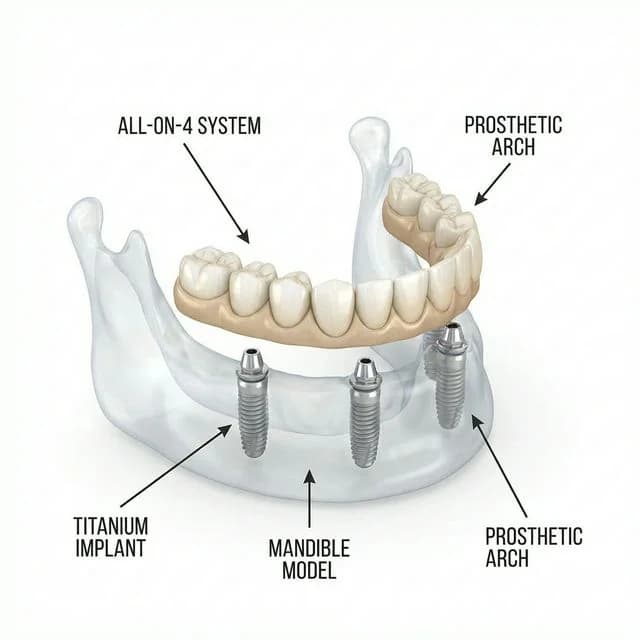
According to a comprehensive review published in the Journal of Dental Research, dental implants have a success rate exceeding 95 percent over a 10-year period. Many implants placed 30 or more years ago remain fully functional today. The titanium post that integrates with your jawbone is designed to last a lifetime. The crown or prosthesis attached to the implant typically lasts 15 to 25 years before it may need replacement due to normal wear, similar to how a natural tooth crown eventually needs updating.
It is important to distinguish between implant survival and implant success. An implant may survive (remain in the jaw) but still develop complications such as bone loss or gum recession. True long-term success means the implant remains stable, the surrounding tissues stay healthy, and the restoration continues to function and look natural.
Foundations of Longevity
- Guided planning and precise placement
- Prosthetic design that allows cleaning and protects tissue
- Bite analysis to control excessive forces
Your Daily Maintenance Routine
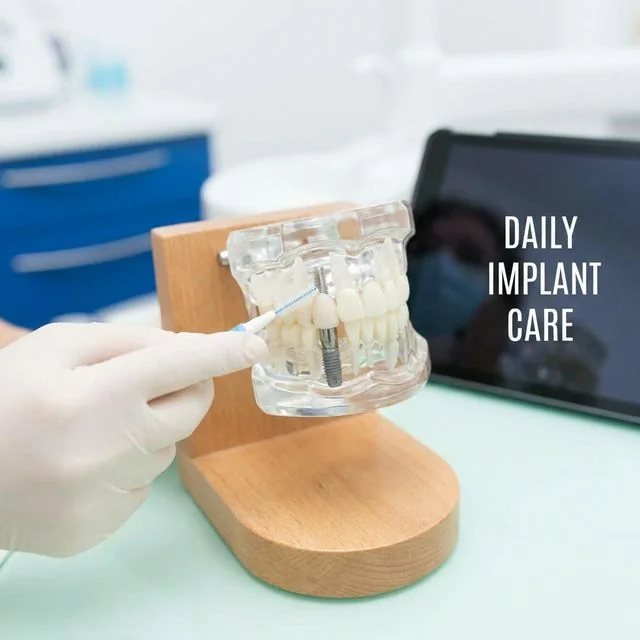
Caring for implants at home is straightforward, but consistency matters. Follow this daily protocol:
- Brush twice daily with a soft-bristle or electric toothbrush, angling the bristles toward the gumline around the implant
- Use interdental tools such as a water flosser, interdental brushes, or implant-specific floss to clean beneath the crown and around the abutment
- Rinse with an alcohol-free antimicrobial mouthwash to reduce bacterial buildup without drying out oral tissues
- Avoid abrasive toothpaste — whitening pastes with harsh abrasives can scratch the surface of implant restorations
Patients from Framingham, Sudbury, and surrounding communities who follow these habits consistently see the best long-term results.
Professional Maintenance at Innova Smiles
Professional cleanings for implant patients differ from standard cleanings. At our Marlborough office, we use implant-safe instruments made from titanium, plastic, or carbon fiber to avoid scratching the implant surface. During each visit, we:
- Remove calculus and biofilm from around the implant and under the prosthesis
- Measure probing depths around the implant to detect early signs of peri-implantitis
- Take periodic radiographs to monitor bone levels
- Check the tightness of the abutment screw and the integrity of the crown
We recommend implant maintenance visits every six months, though patients with a history of gum disease may benefit from more frequent appointments.
Signs of Dental Implant Failure
The American Academy of Implant Dentistry reports that while implant failure is rare (occurring in fewer than 5% of cases), recognizing the warning signs early can make the difference between saving and losing an implant. There are two types of failure:
Early Failure (Within Weeks to Months of Placement)
Early failure happens before the implant fully integrates with the bone. Signs include:
- Implant feels loose or mobile when you press on it with your tongue
- Sharp or throbbing pain at the implant site that does not improve after the normal healing window
- Swelling that worsens after the first week rather than improving
- The implant feels like it is sinking or the gum tissue around it is receding rapidly
Common causes of early failure include infection at the surgical site, insufficient bone density, excessive force during the healing period, and systemic health factors like uncontrolled diabetes or smoking.
Late Failure (Months to Years After Placement)
Late failure occurs after successful osseointegration, usually due to peri-implantitis or mechanical overload. Watch for:
- Bleeding or swelling around the implant that persists despite good oral hygiene
- Looseness or movement in the crown or the implant itself
- A change in your bite when chewing — the implant feels higher or different
- Persistent bad taste or odor near the implant site, indicating bacterial infection
- Gum recession exposing the metal abutment or implant threads
- Bone loss visible on X-rays during routine checkups (you may not feel this)
What to Do If You Suspect Implant Problems
Contact Innova Smiles promptly if you notice any of the symptoms above. Early intervention is critical. A 2023 study in the Journal of Clinical Periodontology found that peri-implantitis, the implant equivalent of gum disease, can lead to progressive bone loss and eventual implant failure if left untreated. When caught early, treatment options include professional debridement, antimicrobial therapy, and in some cases, bone grafting to rebuild lost support. Dr. Fatima monitors implant health at every maintenance visit using probing measurements and periodic radiographs to catch issues before they become serious.
The Role of Advanced Technology
Innova Smiles invests in technology that supports implant longevity from day one. Our in-office CBCT scanner enables precise 3D planning, and guided surgical protocols ensure each implant is placed at the ideal depth, angle, and position. To learn more about how this technology works, see our guide on guided implant surgery and CBCT precision.
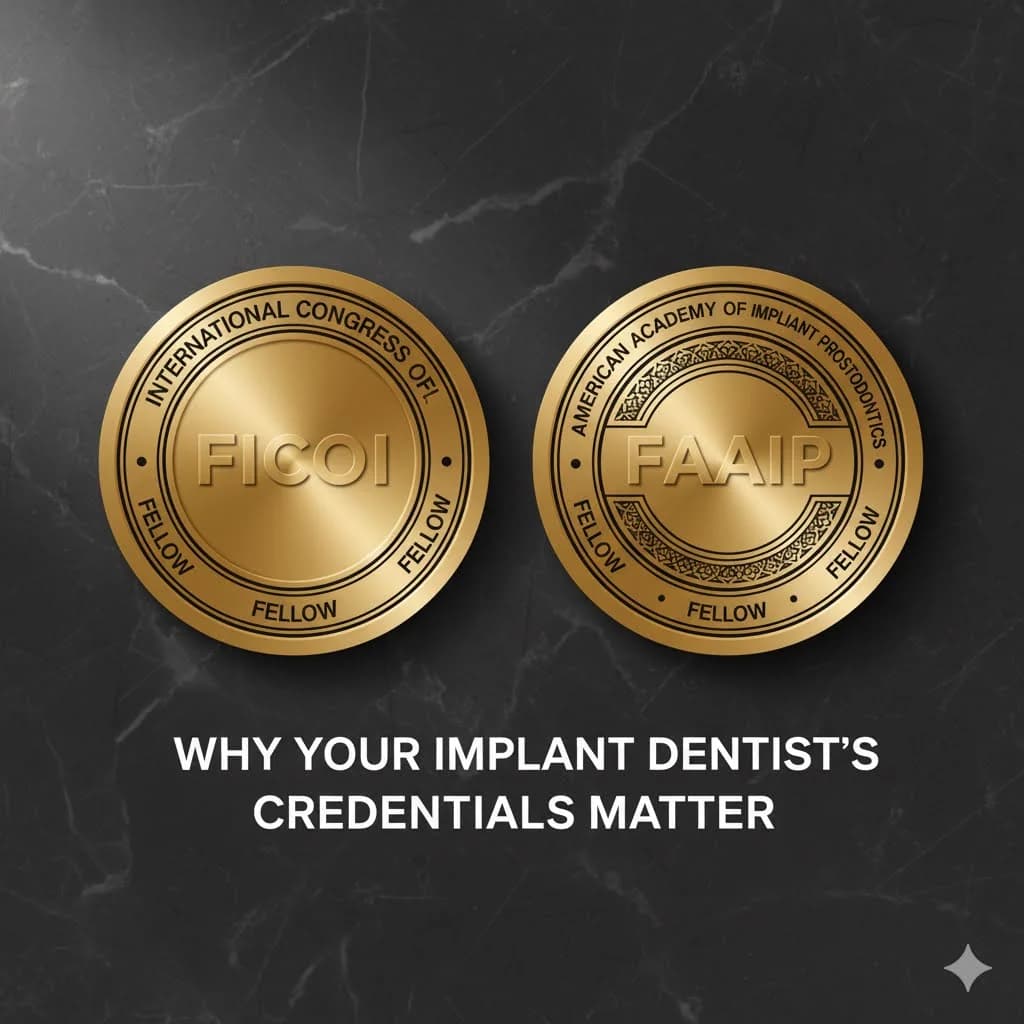
E‑E‑A‑T: FICOI training supports minimally invasive surgery and tissue‑friendly protocols that reduce complications and aid long‑term success.
Internal Links
- Explore implant care → Dental Implants
- Routine prevention → Dental Exams & Cleanings
- Questions or to schedule → Contact
Protect your investment. Call (508) 481‑0110 or book now.
Related Articles
- Dental Implant Recovery: Day-by-Day Timeline
- Types of Dental Implants: Titanium vs. Zirconia
- Why Implant Credentials (FICOI & FAAIP) Matter