Featured Answer: When should a child first see the dentist?
The American Academy of Pediatric Dentistry (AAPD) and the American Academy of Pediatrics (AAP) both recommend that a child's first dental visit occur by their first birthday or within six months of the eruption of their first tooth — whichever comes first. This "age one" guideline may seem early, but research consistently shows that children who establish a dental home before age one have fewer cavities, fewer emergency visits, and lower dental costs throughout childhood.
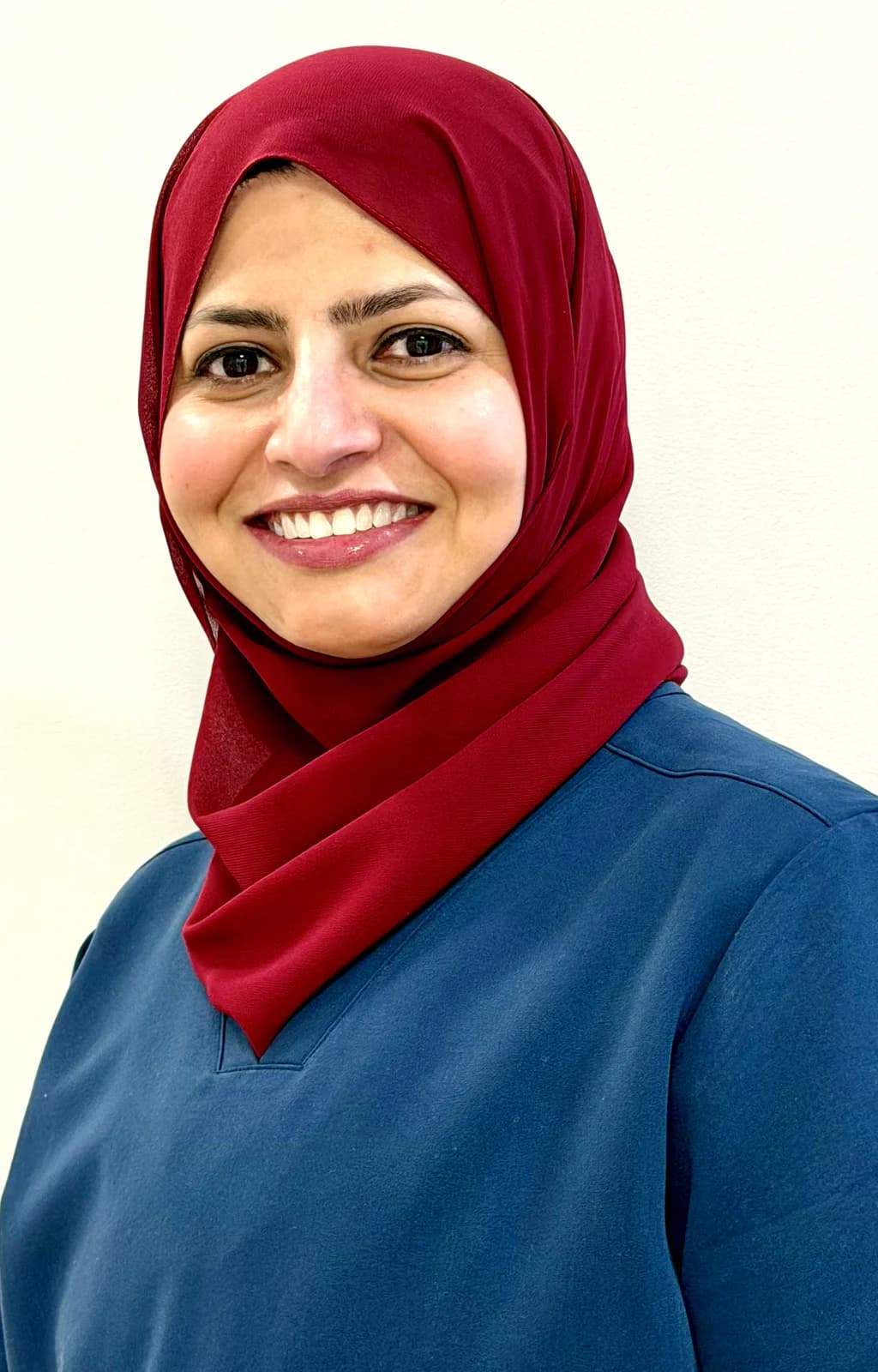
One of the most common things parents in Marlborough and the surrounding MetroWest communities tell us is: "I didn't realize they needed to go to the dentist this young." You are not alone — a survey by the AAPD found that only about 25% of children have a dental visit before age two. At Innova Smiles, Dr. Ambereen Fatima and our team are passionate about changing that statistic, one gentle first visit at a time.
This guide explains the science behind the age-one recommendation, walks you through exactly what happens at the first appointment, gives you practical preparation strategies, and answers the questions parents ask most often.
Why Age One? The Science Behind Early Dental Visits
The recommendation for a first dental visit by age one is not arbitrary. It is grounded in decades of research on early childhood caries (ECC) — the clinical term for cavities in children under age six.
Early Childhood Caries: A Preventable Epidemic
According to the CDC, tooth decay is the single most common chronic childhood disease in the United States — five times more common than asthma. Approximately 23% of children aged 2-5 have untreated cavities, and by the time they enter kindergarten, more than half have experienced some form of decay.
The key insight from decades of caries research is that decay is preventable when caught early and when parents receive guidance on diet, hygiene, and fluoride use. A 2019 study published in Pediatrics found that children who had a dental visit before age one were 40% less likely to have a dental-related emergency room visit by age six compared to children whose first visit was after age three.
What an Early Visit Accomplishes
- Risk assessment. Dr. Fatima evaluates your child's individual risk for cavities based on diet, fluoride exposure, oral bacteria levels, tooth anatomy, and family history.
- Parent education. You receive customized guidance on brushing technique, fluoride toothpaste amount (a rice-grain smear for under two, a pea-sized amount for ages two to five), bottle and sippy cup habits, and diet choices that protect teeth.
- Early detection. White spot lesions (the earliest sign of enamel demineralization) can be identified and reversed with fluoride before they become cavities.
- Establishing a dental home. Just as your child has a pediatrician, having a dental home means there is a team that knows your child's history and can provide continuity of care — including urgent care if a toothache or injury occurs.
What Happens at the First Dental Visit
Parents are often surprised by how simple and gentle the first appointment is. At Innova Smiles, the visit is designed to be short, positive, and educational — for both the child and the parent.
Before the Exam
- Warm welcome. Our team greets you and your child in the reception area. We keep the environment calm and child-friendly.
- Medical and dental history. We ask about your child's birth history, feeding method (breast, bottle, or both), diet, pacifier use, thumb sucking habits, medications, and any medical conditions.
- Parent concerns. This is your time to ask anything. Common questions include whether the child is teething on schedule, whether the spacing between baby teeth is normal, and when to wean from the bottle or pacifier.
The Examination
For infants and very young toddlers (under 18 months), the exam is typically done in a "knee-to-knee" position: you sit facing Dr. Fatima, with your child in your lap facing you. Your child then leans back into the dentist's lap, allowing Dr. Fatima to see inside the mouth while your child feels the security of resting on your knees. This position is comfortable, safe, and gives excellent visibility.
During the exam, Dr. Fatima evaluates:
- Erupted teeth — number, position, spacing, and any signs of early decay or enamel defects
- Gum tissue — color, contour, and health
- Bite development — how the upper and lower jaws are aligning
- Oral soft tissues — tongue, cheeks, palate, and frenulum (the tissue under the tongue and upper lip). Tongue-tie and lip-tie can be identified at this stage.
- Oral habits — evidence of thumb sucking, tongue thrusting, or mouth breathing
Cleaning and Fluoride
If your child has erupted teeth, we may do a gentle cleaning with a soft rubber cup and child-safe polishing paste. For children at improved cavity risk, a fluoride varnish is applied. Fluoride varnish is a concentrated, sticky coating painted directly onto the teeth with a small brush. It sets within seconds on contact with saliva, tastes mildly sweet, and wears off over the next 12-24 hours. The ADA and AAP both endorse fluoride varnish for children starting at the time of the first tooth eruption.
A Cochrane systematic review (2013, updated 2023) found that professional fluoride varnish application reduces caries in primary teeth by an average of 37%.
Anticipatory Guidance
This is the educational cornerstone of the first visit. Based on what we see during the exam and learn from your child's history, we provide personalized recommendations:
- Brushing. Start brushing as soon as the first tooth appears, twice daily with a soft-bristled infant toothbrush and a rice-grain smear of fluoride toothpaste. Parents should do all brushing until the child is old enough to write their name legibly (approximately age six to seven), then supervise until about age eight.
- Diet and bottle habits. Never put a child to bed with a bottle containing anything other than water. Juice, milk, and formula all contain sugars that pool around the teeth during sleep, creating an ideal environment for decay. The AAPD recommends transitioning from the bottle to a sippy cup by age 12-14 months and from a sippy cup to an open cup by age two.
- Fluoride. We assess your child's total fluoride intake from water, toothpaste, and any supplements. In communities with fluoridated water, supplements are unnecessary. For families on well water or in non-fluoridated systems, we may recommend a fluoride supplement.
- Pacifiers and thumb sucking. These habits are normal and self-soothing in infancy and early toddlerhood. Most children stop on their own between ages two and four. If the habit persists beyond age three, we discuss gentle strategies to discourage it before it affects the developing bite.
How to Prepare Your Child for the First Visit
A little preparation goes a long way in creating a positive experience. Here are strategies that work well for families across the MetroWest area — from Hudson to Sudbury to Framingham:
Do
- Keep it simple and positive. Use phrases like "We are going to visit the dentist so they can count your teeth" or "The dentist is going to make your smile sparkle."
- Read children's books about dentist visits. Titles like The Berenstain Bears Visit the Dentist or Peppa Pig: Dentist Trip normalize the experience.
- Play pretend dentist at home. Let your child "examine" a stuffed animal's teeth with a toy mirror, then switch roles.
- Schedule the appointment during your child's best time of day. Avoid nap time and fussy hours. Morning appointments tend to work best for toddlers.
- Bring a comfort item — a favorite stuffed animal, blanket, or toy.
Avoid
- Do not use negative words. Avoid "hurt," "shot," "drill," "pain," or "needle" — even in the context of saying "It won't hurt." Children latch onto the frightening word, not the reassurance.
- Do not share your own dental anxiety. If you have had negative dental experiences, your child does not need to hear about them before their first visit. Children are remarkably perceptive at reading parental anxiety.
- Do not bribe with sugary treats. "If you are good at the dentist, we will get ice cream" sends a mixed message. Instead, offer praise and a non-food reward like a trip to the playground.
- Do not force it. If your child is having a very difficult time and is inconsolable, it is okay to stop the exam and try again in a few weeks. A partially completed first visit is better than a traumatic one that creates lasting fear. At Innova Smiles, we never push past a child's emotional limits.
Common Questions Parents Ask
"My child only has a few teeth. Is a dental visit really necessary?"
Yes. Cavities can form as soon as teeth erupt. In fact, the most common teeth affected by early childhood caries are the upper front teeth (maxillary incisors), which are among the first to appear. Additionally, the first visit is as much about education and risk assessment as it is about examining teeth.
"Will my child need X-rays at the first visit?"
Usually not. Dental X-rays for children are recommended when the back teeth (molars) are touching each other and cavities between them cannot be seen with the eye alone. This typically happens around age three to four. The AAPD recommends radiographs based on individual risk, not on a fixed schedule.
"Is fluoride safe for my baby?"
Yes. Extensive research, including systematic reviews by the Cochrane Collaboration and endorsements from the ADA, AAP, AAPD, and WHO, supports the safety and efficacy of fluoride at appropriate doses. The key is using the correct amount — a rice-grain smear (approximately 0.1 mg of fluoride) for children under two, and a pea-sized amount for ages two to five. These quantities are safe even if swallowed.
"My child's baby teeth are going to fall out anyway. Why does it matter if they get cavities?"
This is perhaps the most important misconception to address. Baby teeth serve critical functions:
- Space maintenance. Baby teeth hold the space for the permanent teeth developing beneath them. If a baby tooth is lost prematurely to decay, the adjacent teeth shift into the gap, causing crowding and alignment problems when permanent teeth erupt.
- Speech development. The front baby teeth are essential for proper articulation of sounds like "th," "f," and "s."
- Nutrition. Children with severe decay often have difficulty chewing and may develop nutritional deficiencies.
- Self-esteem. Even young children are affected by the appearance of their smile.
- Infection risk. An untreated cavity in a baby tooth can abscess and, in rare but serious cases, the infection can spread to the developing permanent tooth bud, the facial spaces, or even the bloodstream.
"When should my child start seeing the dentist every six months?"
After the first visit, Dr. Fatima will recommend a recall schedule based on your child's individual risk. Most children benefit from visits every six months. Children at higher risk for cavities (due to diet, enamel defects, special needs, or a history of early decay) may benefit from visits every three to four months.
"My toddler will not let me brush their teeth. What can I do?"
This is incredibly common and completely normal. Toddlers are asserting independence, and having someone else put something in their mouth can feel like a loss of control. Strategies that help:
- Let them hold a toothbrush and "brush" themselves first, then you finish
- Brush your own teeth at the same time so they can imitate
- Sing a two-minute song to make it a routine
- Use a toothbrush with a character they love
- Position them in your lap facing a mirror so they can watch
- Be consistent — even on the nights where it is a struggle, a quick brush is better than none
Teething: What Is Normal and What Is Not
Since many first dental visits coincide with active teething, it is worth addressing common teething questions:
- Timeline. Most babies get their first tooth between six and ten months. By age three, all 20 primary teeth are typically present. However, there is wide normal variation — some babies are born with a tooth, while others do not erupt their first until after 12 months.
- Symptoms. Fussiness, drooling, chewing on objects, and mild gum swelling are normal. Low-grade fever (under 100.4 degrees Fahrenheit) and mild diarrhea are commonly reported by parents, though the AAP notes that these are likely coincidental rather than caused by teething.
- What is NOT normal. High fever, rash, vomiting, or prolonged diarrhea are not teething symptoms and should be evaluated by your pediatrician.
- Safe teething relief. Chilled (not frozen) teething rings, clean wet washcloths to chew on, and gentle gum massage with a clean finger. The FDA warns against teething gels containing benzocaine (Orajel) for children under two due to the risk of methemoglobinemia, a rare but serious blood disorder. Homeopathic teething tablets have also been flagged by the FDA for inconsistent belladonna levels.
Building a Positive Dental Future
The goal of the first dental visit is not just to check teeth — it is to establish a relationship of trust between your child and their dental team. Research published in the British Dental Journal (2017) found that children who have positive early dental experiences have significantly lower dental anxiety as adolescents and adults, and are more likely to maintain regular dental care throughout their lives.
At Innova Smiles, we take this responsibility seriously. We see children from Northborough, Westborough, Southborough, and throughout MetroWest, and we consider it a privilege to be the first dentist many of them ever meet. Dr. Fatima's approach is patient, gentle, and attuned to the developmental stage of each child — whether that means spending most of the visit talking to a curious three-year-old about the "tooth counter" (explorer instrument) or simply getting an anxious 14-month-old comfortable sitting in the chair.
The Dental Visit Timeline for Children
Here is a general roadmap for your child's dental milestones:
- By age 1: First dental visit
- Ages 1-3: Visits every 6 months. Focus on parent education, fluoride varnish, and monitoring eruption
- Ages 3-6: Introduction of dental X-rays when back teeth are touching. Dental sealants applied to first permanent molars as they erupt (around age 6)
- Ages 6-12: Mixed dentition period. Monitoring permanent tooth eruption, evaluating for orthodontic needs, reinforcing hygiene as children take on more self-care
- Ages 12+: All permanent teeth present (except wisdom teeth). Discussion of orthodontics if needed, sports mouthguards, and transitioning to adult preventive care
Your child's first dental visit is a milestone worth celebrating. If your little one is approaching their first birthday — or if they are older and have not yet been to the dentist — now is the perfect time to start. Call Innova Smiles at (508) 481-0110 or book your child's first visit online. We look forward to counting those tiny teeth.
Related Articles
- Baby's First Dental Visit in Marlborough, MA
- Dental Sealants for Children in Marlborough
- Children's Dental Health Month Tips for Marlborough Parents