Featured Answer: When should my child first see a dentist?
The American Academy of Pediatric Dentistry recommends the first visit by age one or within six months of the first tooth erupting. Early visits build trust and catch developmental issues before they become problems.
Celebrating Tiny Smiles
February is National Children's Dental Health Month, and for Marlborough families, it is the perfect time to take stock of your child's oral health habits. Developing good routines early lasts a lifetime. Research published in the Journal of Dental Research (2019) found that children who receive preventive dental care before age two are 50 percent less likely to need restorative treatment by age five compared to children whose first visit comes later. That statistic alone is worth planning around.
At Innova Smiles in Marlborough, Dr. Fatima sees children of all ages, from babies cutting their first teeth to teenagers navigating braces and wisdom teeth. This guide walks you through every stage of your child's dental development, with practical advice rooted in clinical evidence and the realities of raising a family in MetroWest Massachusetts.
Age-by-Age Dental Milestones: What Parents Need to Know
Children's dental needs change dramatically from infancy through adolescence. Here is a detailed breakdown of what to expect and what to do at each stage.
Birth to 12 Months: Before the First Tooth
- What is happening: Most babies get their first tooth between 6 and 10 months, usually a lower central incisor. Some babies are born with a natal tooth (roughly 1 in 2,000 births), while others may not get their first tooth until 14 months.
- What to do: Wipe gums with a clean, damp cloth or silicone finger brush after every feeding, especially before bed. This removes the milk film that feeds oral bacteria. The AAPD recommends scheduling the first dental visit by age one or within six months of the first tooth erupting, whichever comes first.
- Avoid bottle decay: Never put a baby to bed with a bottle of milk, formula, or juice. The sugar pools around the upper front teeth for hours while the baby sleeps, and the result, early childhood caries, sometimes called "baby bottle tooth decay", can destroy those teeth completely. The CDC reports that early childhood caries is the most common chronic childhood disease in the United States, affecting 23 percent of children ages 2 to 5.
Ages 1–3: First Teeth, First Brushing
- What is happening: By age 3, most children have all 20 primary (baby) teeth. The sequence is generally: central incisors, lateral incisors, first molars, canines, and second molars. The exact timing varies widely, a child who gets teeth "late" is not behind developmentally.
- What to do: Use a smear of fluoride toothpaste (rice-grain size) once teeth appear. Brush twice daily, morning and bedtime. At this age, you are doing the brushing. A toddler lacks the fine motor control to clean their own teeth effectively.
- Pacifier and thumb-sucking guidance: The AAPD notes that non-nutritive sucking habits (pacifiers, thumb-sucking) are normal in infants and toddlers and typically do not cause permanent alignment problems if stopped by age 3. After age 3, prolonged habits can begin to push the upper front teeth forward and narrow the palate.
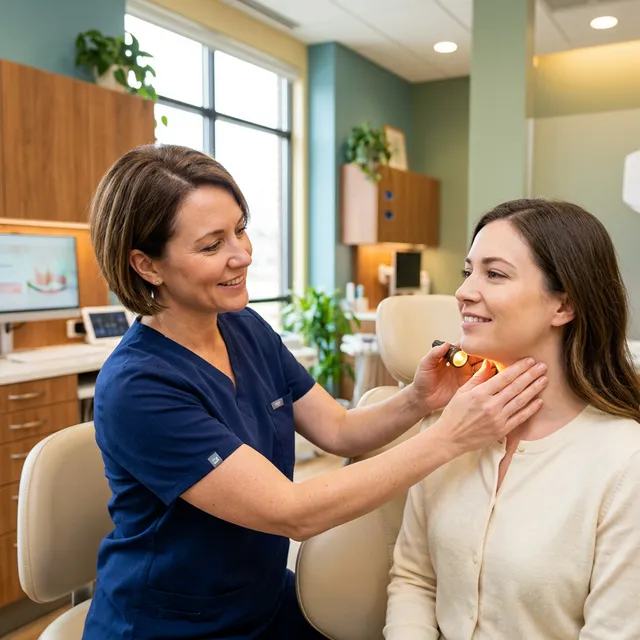
- The first dental visit: This appointment is a "happy visit", short, gentle, and focused on building trust. Dr. Fatima examines the teeth for early signs of decay, checks jaw development, assesses fluoride exposure, and answers parents' questions. The child sits on the parent's lap for the entire visit. There is no drilling, no discomfort, and no reason for anxiety.
Ages 3–5: Preschoolers and Cavity Prevention
- What is happening: All 20 primary teeth are in place. Spacing between teeth is normal and actually desirable, those gaps make room for the larger permanent teeth that will eventually replace them. If preschool-age teeth are perfectly aligned with no gaps, crowding is likely when permanent teeth arrive.
- What to do: Increase toothpaste to a pea-sized amount. Brush for your child or brush with them, they still lack the dexterity to do it alone. Use reward charts or sticker calendars for successful brushing sessions. Let them pick their own toothbrush (character-themed brushes work wonders for motivation).
- Cavity prevention at this age: The primary molars are the most cavity-prone teeth in a preschooler's mouth because of their deep grooves and the difficulty of brushing them properly. A 2020 study in Pediatric Dentistry found that children who had professional fluoride varnish applied every six months had 37 percent fewer cavities than those who received only home fluoride toothpaste. At Innova Smiles, we apply fluoride varnish at every six-month cleaning for children in this age group.
- Snacking habits matter most now: Preschoolers graze constantly, and every sugar exposure triggers a 20-to-30-minute acid attack on enamel. The number of sugar exposures per day matters more than the total amount of sugar consumed. Three cookies eaten at once cause one acid attack. Three cookies spread across the afternoon cause three.
Ages 6–8: The Mixed Dentition Phase
- What is happening: This is when children start losing baby teeth and permanent teeth begin erupting. The lower central incisors and the first permanent molars (the "six-year molars") typically arrive first. The six-year molars are especially important because they emerge behind the last baby tooth, parents often miss them because no baby tooth falls out to signal their arrival.
- What to do: Supervise brushing until age 7 or 8. Research from the British Dental Journal shows that children under 8 leave behind an average of 40 percent of plaque when brushing independently. Introduce flossing once teeth start to touch, which may happen with the permanent incisors before the baby molars have fallen out.
- Sealants on first molars: This is the ideal time for dental sealants on the six-year molars. The CDC reports that sealants prevent 80 percent of cavities in the back teeth, where 9 out of 10 cavities occur. The application takes about two minutes per tooth, involves no drilling or anesthesia, and the sealant lasts three to five years with normal wear.
- Orthodontic screening: The American Association of Orthodontists recommends a first orthodontic evaluation by age 7. At Innova Smiles, Dr. Fatima assesses bite alignment, jaw growth patterns, and eruption sequences during every six-month visit. Most children do not need treatment at this age, but early identification of crossbites, severe crowding, or underbites allows for interceptive treatment that can prevent more complex, and expensive, correction later.
Ages 9–12: Pre-Teens and Permanent Teeth
- What is happening: The remaining baby teeth fall out and are replaced by permanent premolars and canines. The second permanent molars ("twelve-year molars") erupt around age 12. By age 13, most children have 28 permanent teeth (the four wisdom teeth arrive later, typically between ages 17 and 25).
- What to do: Most children can brush and floss independently by this age, though a quick check of their technique every few weeks helps maintain good habits. Electric toothbrushes with built-in timers are especially effective for this age group, a 2014 Cochrane review found that powered toothbrushes reduced plaque by 21 percent and gingivitis by 11 percent compared to manual brushing.
- Sealants on second molars: When the twelve-year molars erupt, they should receive sealants just like the six-year molars. This is the single most effective cavity-prevention measure for back teeth.
- Sports and mouthguards: Children involved in contact sports (football, hockey, lacrosse, basketball, soccer) should wear a properly fitted mouthguard. The ADA reports that athletes who do not wear mouthguards are 60 times more likely to suffer dental injuries. A custom-fitted mouthguard from our office provides better protection and comfort than the boil-and-bite versions sold at sporting goods stores. For MetroWest families whose kids play in town leagues — Marlborough Youth Hockey, Hudson Little League, Northborough soccer, a custom guard is a worthwhile investment.
Ages 13–17: Teenagers
- What is happening: All permanent teeth are in (except wisdom teeth). Hormonal changes during puberty can increase gum sensitivity and inflammation, a condition called "puberty gingivitis" that affects a significant percentage of adolescents. Third molars (wisdom teeth) may begin developing on X-rays.
- What to do: Monitor for signs of gum inflammation (bleeding when brushing, red or puffy gums). Reinforce flossing, teenagers are notoriously inconsistent with it. If orthodontic treatment is needed, Invisalign Teen and Spark clear aligners offer discreet, comfortable alternatives to metal braces. Both options have compliance indicators built into the trays so parents and the dental team can verify that the aligners are being worn for the required 22 hours per day.
- Wisdom tooth evaluation: We monitor wisdom tooth development on panoramic X-rays starting around age 14 to 15. If the teeth are positioned to become impacted, and the AAOMS reports that approximately 85 percent of wisdom teeth eventually require removal, planning the extraction during the teenage years (before the roots fully form and the bone fully mineralizes) typically results in easier surgery and faster recovery.
The Importance of Fluoride for Developing Teeth
The CDC recognizes community water fluoridation as one of the ten great public health achievements of the 20th century. Fluoride works through two mechanisms: it strengthens enamel during the critical years when teeth are developing (systemic fluoride, consumed through water and supplements), and it promotes remineralization of early decay spots when applied directly to tooth surfaces (topical fluoride, from toothpaste, rinses, and professional varnish).
Marlborough's municipal water is fluoridated at the recommended level of 0.7 parts per million (ppm), as endorsed by the U.S. Public Health Service. Families in Hudson and Northborough also receive fluoridated municipal water. However, families using well water, common in more rural parts of MetroWest, or those who drink exclusively bottled water may not be getting enough fluoride for optimal cavity prevention. During your child's visit, Dr. Fatima can assess fluoride exposure and recommend appropriate supplements if needed.
A quick fluoride guide by age:
| Age | Toothpaste Amount | Professional Fluoride | Supplemental Fluoride |
|---|---|---|---|
| Under 3 | Rice-grain smear | Varnish every 6 months | Only if water is non-fluoridated |
| 3–6 | Pea-sized amount | Varnish every 6 months | Only if water is non-fluoridated |
| 6–12 | Pea-sized amount | Varnish every 6 months | Evaluate based on cavity risk |
| 12+ | Standard amount | Varnish for high-risk patients | Prescription rinse if high-risk |
Cavity Prevention Strategies That Actually Work
Cavities are not inevitable. With the right combination of strategies, most children can reach adulthood with zero cavities. Here is what the evidence supports:
- Fluoride toothpaste twice daily. This is the single most important thing you can do at home. The Cochrane Database of Systematic Reviews (2019) analyzed 96 clinical trials and confirmed that fluoride toothpaste reduces cavities by 24 percent on average compared to non-fluoride toothpaste.
- Dental sealants on permanent molars. Sealants reduce cavities by 80 percent in the first two years and continue providing significant protection for up to nine years, according to a 2016 CDC evidence review.
- Professional fluoride varnish every six months. Applied in about 60 seconds at each cleaning visit, fluoride varnish delivers a concentrated dose of fluoride directly to the enamel surface. It is especially effective for children at higher risk of decay.
- Limiting sugary snacks to mealtimes. Every between-meal sugar exposure triggers a new acid attack. Consolidating treats to mealtime (when saliva flow is already elevated) reduces the number of daily acid attacks significantly.
- Xylitol exposure. Xylitol-sweetened gum or mints (used 3 to 5 times daily for a total of 6 to 10 grams) can reduce Streptococcus mutans colonization. A 2020 meta-analysis in the Journal of Dental Research found a modest but statistically significant reduction in caries incidence with regular xylitol use.
- Regular dental visits every six months. Professional cleanings remove calcified plaque (tarite) that home brushing cannot, and exams catch early decay while it is still reversible with fluoride treatment rather than a filling.
Making Dental Care Fun
The best cavity-prevention tool in the world is worthless if your child refuses to use it. Making oral hygiene enjoyable is half the battle.
- Music: Play a 2-minute song and brush until it stops. Let your child pick the song, it becomes "their" brushing routine. The ADA recommends two minutes of brushing, and a timer or song makes this achievable for kids who otherwise rush through in 30 seconds.
- Apps: Brushing apps like Brush DJ, Disney Magic Timer, and Pokemon Smile gamify the experience and keep children engaged for the full two minutes.
- Choice: Let them pick their own toothbrush color, character, or flavor of toothpaste. Strawberry and bubblegum flavors contain the same active fluoride as mint, the flavor does not affect efficacy.
- Family brushing time: Brush together as a family. Children learn by imitation, and seeing Mom or Dad brush carefully for two full minutes normalizes the routine.
- Reward systems: Sticker charts, small prizes for a week of consistent brushing and flossing, or a special outing for a perfect dental checkup. The reward does not need to be large, the consistency of recognition matters more than the magnitude.
The Role of Diet in Children's Dental Health
What your child eats matters just as much as how they brush. Sugary snacks and juice boxes between meals create an acidic environment that wears down enamel throughout the day.
- Limit juice to mealtimes. The American Academy of Pediatrics (AAP) recommends no more than 4 ounces of juice per day for children ages 1 to 3, 4 to 6 ounces for ages 4 to 6, and 8 ounces for ages 7 to 18. Juice sipped from a sippy cup throughout the afternoon is one of the most common causes of early childhood caries we see in our Marlborough practice.
- Choose tooth-friendly snacks. Cheese, yogurt, crunchy vegetables, and nuts stimulate saliva production and help neutralize acids. String cheese and apple slices are easy to pack in a school lunch and far better for teeth than fruit roll-ups or gummy snacks.
- Water is the best drink. Encourage water between meals, especially fluoridated tap water, which strengthens developing enamel while rinsing away food debris.
- Watch out for "healthy" culprits. Dried fruit (raisins, cranberries, fruit leather) is marketed as a healthy snack but sticks to teeth exactly like candy. Granola bars often contain as much sugar per serving as a cookie. Sports drinks, popular with MetroWest kids in soccer, lacrosse, and hockey, are acidic and sugar-laden, with a typical 20-ounce bottle containing 34 grams of sugar.
Why Early Dental Visits Matter
Many parents assume dental visits can wait until all baby teeth are in, but early checkups serve an important purpose. The National Institute of Dental and Craniofacial Research (NIDCR) stresses that baby teeth hold space for permanent teeth, and untreated cavities in primary teeth can affect the alignment and health of adult teeth developing underneath. A baby tooth abscess can damage the permanent tooth bud sitting directly below it in the jawbone.
During early visits at Innova Smiles, Dr. Fatima checks for:
- Proper jaw development and bite alignment
- Early signs of tooth decay or enamel defects (including enamel hypoplasia, which affects about 1 in 10 children)
- Thumb-sucking or pacifier habits that may affect alignment
- Adequate fluoride exposure for cavity prevention
- Tongue-tie or lip-tie that can interfere with feeding, speech development, or oral hygiene
- Eruption sequence, teeth coming in out of order can signal underlying developmental issues
Dental Sealants: An Extra Layer of Protection
Once your child's permanent molars come in (typically around ages 6 and 12), dental sealants are one of the most effective preventive treatments available. A thin protective coating is painted onto the chewing surfaces of back teeth, sealing out food and bacteria from the deep grooves where cavities most commonly start. The procedure is quick, comfortable, and requires no drilling.
How sealants work: The chewing surface of a molar is not smooth, it is covered with pits, fissures, and grooves that can be narrower than a single toothbrush bristle. Food particles and bacteria pack into these grooves and are impossible to clean out with brushing alone. A sealant fills these grooves with a thin layer of resin, creating a smooth surface that is easy to keep clean.
The numbers: According to the CDC, children without sealants have almost three times more cavities than children with sealants. A 2016 evidence report published in the Journal of the American Dental Association found that sealants reduced cavity risk by 80 percent for the first two years and continued providing significant protection for up to nine years.
Cost: Sealants are one of the most cost-effective dental treatments available. Most dental insurance plans cover sealants for children under 14 at 100 percent. Even without insurance, a sealant costs roughly $30 to $60 per tooth, far less than the $200+ cost of a filling if a cavity develops in that same tooth.
School Dental Forms and Requirements
Massachusetts requires a dental examination for all children entering school for the first time (kindergarten or first grade) and again at certain grade levels. The Massachusetts Department of Public Health dental form can be completed during any routine visit at Innova Smiles. We fill out the form, document any findings, and send it home with your child, one less thing for busy Marlborough parents to worry about during back-to-school season.
If your child needs treatment identified during the school screening, we prioritize scheduling to ensure compliance with school health requirements. Our block appointment system means you can bring multiple siblings for exams and cleanings in a single visit.
When to Consider Orthodontic Evaluation
The American Association of Orthodontists recommends that children receive their first orthodontic screening by age 7. While treatment at this age is rarely needed, early evaluation allows Dr. Fatima to identify potential crowding, crossbites, or jaw growth issues that benefit from early intervention. Addressing these problems during the mixed dentition phase (when both baby and permanent teeth are present) can reduce the need for more complex treatment later.
Signs parents should watch for:
- Early or late loss of baby teeth (losing all baby teeth before age 10 or retaining baby teeth after age 13)
- Difficulty chewing or biting
- Mouth breathing or snoring
- Thumb-sucking or tongue-thrusting habits persisting past age 5
- Crowded or misplaced teeth
- Jaws that shift, click, or pop
- Teeth that do not come together properly when the child bites down
For teens ready for orthodontic correction, clear aligners and Invisalign Teen offer discreet, comfortable alternatives to traditional braces. Both systems are popular with MetroWest teenagers because the trays are nearly invisible, removable for eating and brushing, and do not interfere with sports (no brackets to cut the inside of the lip).
Helping Children with Dental Anxiety
Dental anxiety can begin early, but positive first experiences make a lasting difference. The AAPD recommends a "tell-show-do" approach: explain what will happen in simple terms, show the tools in a non-threatening way, and then proceed with the examination.
At Innova Smiles, our team uses this method with every young patient:
- We call the suction "Mr. Thirsty" and let children hold it before we use it.
- The explorer (the small hooked instrument) is the "tooth counter."
- The polishing handpiece is the "tooth tickler."
- We count teeth out loud with the child, making the exam interactive rather than passive.
For children with more significant anxiety, is available and safe for pediatric use. DentalVibe vibration anesthesia provides gentle relaxation, wears off within minutes, and has an excellent safety record spanning decades of pediatric dental use. We discuss this option with parents beforehand and only use it when the child's anxiety level warrants it.
Innova Smiles Loves Kids
We make visits comfortable and friendly. From our "happy visits" to explaining tools in simple terms, we help children feel proud of their healthy smiles. Our Marlborough office is designed with families in mind, and we offer block appointments so parents and siblings can be seen back-to-back. Families across MetroWest, including Hudson, Southborough, and Northborough, trust Dr. Fatima and our team to create positive dental experiences from the very first visit.
We also know that parents' schedules are packed. Between Marlborough school events, after-school activities, and commutes along I-495 and Route 20, finding time for dental appointments is a real challenge. That is why we offer early morning and late afternoon appointments and schedule siblings back-to-back so you make one trip instead of three.
Let's celebrate healthy smiles together. Schedule your child's checkup at Innova Smiles in Marlborough today. Call (508) 481-0110 or book online.
Related Articles
- Dental Sealants for Children in Marlborough
- Baby's First Dental Visit: When to Start
- Your Child's First Dental Visit: What to Expect and When to Start
- Back-to-School: Why Your Child Needs a Checkup