If you feel a knot in your stomach just thinking about a dental appointment, you're not alone. According to research published in the British Dental Journal, approximately 25% of adults experience significant dental anxiety, and about 10% avoid dental care altogether because of it.
The problem? Avoiding the dentist doesn't make dental problems go away — it makes them worse. And worse problems require more extensive (and often more anxiety-inducing) treatment. It's a cycle that's hard to break.
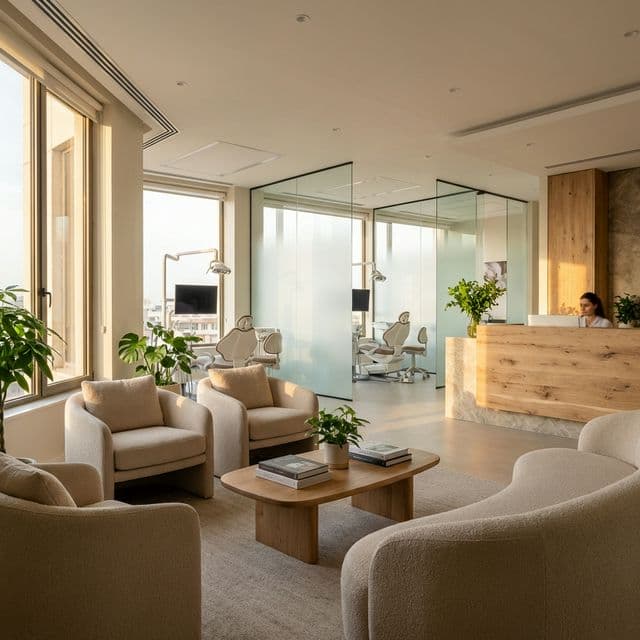
This guide is for you. We'll cover where dental anxiety comes from, practical strategies to manage it, and the sedation options available at Innova Smiles in Marlborough, MA — designed specifically for patients who have been too afraid to get the care they need.
Where Dental Anxiety Comes From
Understanding the root cause of your fear can help you address it. Common origins include:
- A traumatic past experience — a painful procedure, an unsympathetic dentist, or a difficult childhood visit that left a lasting impression
- Feeling out of control — lying back, unable to see what's happening, with someone working in your mouth
- Fear of pain — often based on outdated experiences or stories, not modern dental care
- Embarrassment — worry about judgment if you haven't been to the dentist in years
- Sensory sensitivities — the sounds, smells, and sensations of a dental office feel overwhelming
- Generalized anxiety disorder — dental settings can trigger broader anxiety responses
None of these make you weak or dramatic. They're real physiological and psychological responses that deserve to be taken seriously.
Why Dental Anxiety Is a Medical Concern
When dental anxiety leads to avoided care, the consequences extend beyond your teeth:
- Untreated decay progresses to infections that can spread to the jaw, neck, or even the brain
- Gum disease (periodontitis) has been linked to heart disease, diabetes, and stroke
- Missing teeth affect nutrition, speech, and self-confidence
- Emergency dental care (which anxious patients often end up needing) is more expensive, more intensive, and more stressful than routine care
Getting help for dental anxiety isn't just about your teeth. It's about your overall health.
Practical Strategies That Actually Help
1. Tell Your Dentist — Before You Start
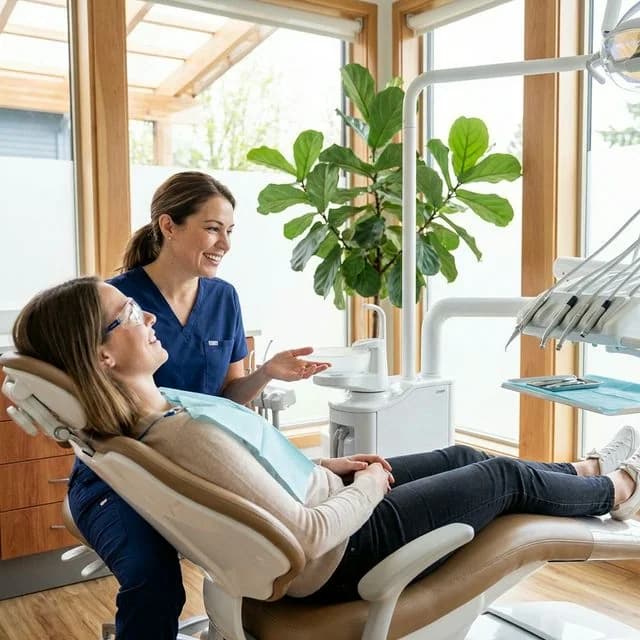
This is the single most effective thing you can do. When your dentist knows you're anxious, they can adjust their approach. At Innova Smiles, we slow down, explain every step before doing it, and check in frequently to make sure you're comfortable. You're never "just a patient" here.
2. Establish a Stop Signal
Agree on a hand signal (like raising your left hand) that means "stop immediately." Knowing you have that control often reduces anxiety significantly — even if you never use it.
3. Ask Questions Beforehand
Fear of the unknown feeds anxiety. Before your appointment, ask:
- What exactly will happen during this procedure?
- Will I feel anything? If so, what will it feel like?
- How long will it take?
- What are my sedation options?
4. Bring Headphones
Music, podcasts, or audiobooks are remarkably effective at reducing dental anxiety. The sounds of dental equipment are often anxiety-triggering — blocking them out with something you enjoy can make a significant difference.
5. Try Deep Breathing
Before and during your appointment, slow, deliberate breathing activates your parasympathetic nervous system (the "rest and digest" system), counteracting the anxiety response. Breathe in for 4 counts, hold for 2, out for 6. Repeat.
6. Schedule Morning Appointments
Anxiety typically builds throughout the day as you dread what's coming. A morning appointment means less time to work yourself up.
7. Consider a "Get to Know You" Visit First
If you haven't been to the dentist in years, start with a no-treatment consultation. Come in, meet the team, see the office, and discuss your history and concerns. No chair, no tools — just a conversation. Many patients find this first step completely transforms how they feel about returning for actual treatment.
Sedation Options at Innova Smiles Marlborough
For patients with moderate to severe dental anxiety, behavioral strategies alone aren't always enough. That's where sedation dentistry comes in. At Innova Smiles, we offer two options:
Nitrous Oxide (Laughing Gas)
- How it works: A mask placed over your nose delivers a mixture of nitrous oxide and oxygen. You feel warm, relaxed, and mildly euphoric within minutes.
- What it feels like: Pleasant floating sensation. You remain fully conscious and able to communicate.
- Duration: Takes effect in 3–5 minutes; wears off completely in 5–10 minutes after the mask is removed.
- Driving afterward: Yes — nitrous oxide clears quickly. You can drive yourself home.
- Best for: Mild to moderate anxiety, gag reflex, children.
Oral Conscious Sedation
- How it works: A prescription medication (typically a benzodiazepine) is taken 1 hour before your appointment. You arrive at the office already relaxed.
- What it feels like: Deep relaxation, drowsiness. Many patients remember little or nothing about the procedure.
- Duration: Effects last 4–6 hours. You will need someone to drive you.
- Best for: Moderate to severe anxiety, complex or lengthy procedures, patients who have avoided dentistry for years.
What to Say When You Call
Many anxious patients avoid calling because they worry about being judged. Here's exactly what to say:
"Hi, I'd like to make an appointment. I want you to know I have dental anxiety — I haven't been in a while and I'm really nervous. Is there someone I can talk to about my options before booking?"
Every member of our team at Innova Smiles is trained to respond with compassion, not judgment. We hear from anxious patients every single week, and we've helped many people get care they'd been avoiding for years.
If You Haven't Been in Years...
First: no judgment. Life gets busy, anxiety takes over, and suddenly it's been 5 years. Or 10. We see patients in this situation regularly.
Second: the problem is almost never as bad as you've imagined. Our minds tend to catastrophize. Most patients are relieved — and sometimes even pleasantly surprised — by what their first appointment back actually involves.
Third: the sooner you come in, the less there is to address. The most expensive, most anxiety-inducing dental problems are the ones that were allowed to progress.
Book a Comfort Visit in Marlborough, MA
Innova Smiles is located at 340 Maple St Suite 100, Marlborough, MA 01752 — serving patients from Hudson, Framingham, Northborough, Southborough, Shrewsbury, Westborough, and Sudbury. Call us at (508) 481-0110 or contact us online.
Tell us you're nervous. We'll take it from there.