
Featured Answer: What if I cannot see a dentist immediately?
For a toothache, rinse with warm salt water and take over-the-counter pain relievers. If a tooth is knocked out, keep it moist in milk and seek care within an hour. For a lost filling, temporary dental cement from a pharmacy can protect the area until your visit. At Innova Smiles in Marlborough, MA, we understand that dental emergencies do not follow a holiday schedule, and Dr. Fatima is committed to getting MetroWest families the care they need as quickly as possible.
The "Not-So-Merry" Surprise
The holidays are filled with joy, but they also bring real risks to your teeth. Hard peppermint candies, frozen desserts, sticky toffee, and the perennial temptation to tear open packages with your teeth (please do not do that) all set the stage for dental emergencies during the one time of year when most dental offices are closed.
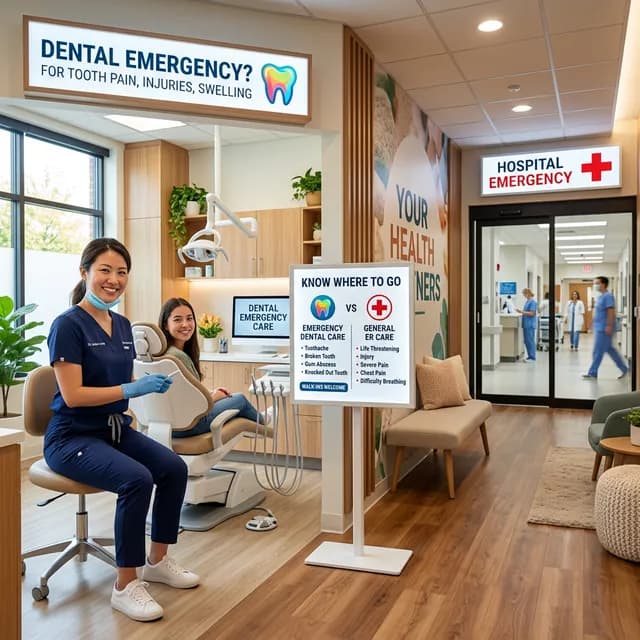
When a dental emergency strikes on Christmas Eve or New Year's Day, knowing what to do can save your smile, and save you from an expensive, ineffective trip to the emergency room. Families across Marlborough, Northborough, and Hudson count on having a plan before the festivities begin.
According to the American Association of Endodontists, dental emergencies spike by an estimated 15 to 20 percent during the November-to-January holiday season compared to other times of the year. A 2019 analysis in the Journal of Emergency Medicine found that dental-related ER visits increase by 22 percent during the week between Christmas and New Year's, largely because dental offices are closed and patients have no alternative.
Common Holiday Dental Emergencies by Type
1. The Cracked or Fractured Tooth
The Culprit: Hard candy, nutshells, ice cubes, unpopped popcorn kernels, or biting into an olive pit hidden in a holiday appetizer. Candy canes are one of the most common offenders, the hard sugar shell fractures teeth more often than most patients realize.
Severity levels:
- Craze lines (hairline cracks in the enamel surface) are cosmetic and not urgent. They appear as thin vertical lines and rarely cause pain.
- Fractured cusps (a piece of the chewing surface breaks off) are moderately urgent. The tooth may be sensitive but is usually restorable with a crown.
- Cracked tooth (a crack extending from the chewing surface toward the root) is urgent. If the crack reaches the pulp, the tooth needs a root canal and crown. If it extends below the gumline, the tooth may not be savable.
- Split tooth (the crack has fully separated the tooth into segments) is an emergency. Extraction is usually the only option.
The Fix: Rinse with warm water. Apply a cold compress to reduce swelling — 15 minutes on, 15 minutes off. Avoid chewing on that side. If the crack is painful, you can see a visible line in the tooth, or a piece has broken off, cover it with temporary dental cement from a pharmacy (CVS and Walgreens in Marlborough both carry Dentemp) to protect the nerve. Take 400 to 600 mg of ibuprofen for pain and inflammation. Call Innova Smiles as soon as we open, or immediately if you are experiencing severe, throbbing pain, as this may indicate that the crack has reached the nerve.
2. The Severe Toothache
The Culprit: Deep decay or a dental infection that has been quietly developing and gets aggravated by constant holiday snacking, sugary drinks, temperature extremes, or stress-induced grinding. Many holiday toothaches are not new problems, they are existing problems that reach a tipping point.
Why holidays make it worse: A 2020 study in the International Dental Journal found that patients with untreated cavities experienced a 35 percent increase in reported pain intensity during periods of high sugar consumption, consistent with the constant grazing on cookies, candy, and sweetened drinks that characterizes holiday gatherings.
The Fix: Floss gently to remove any lodged food that may be contributing to the pain, sometimes a toothache is actually caused by food impaction between teeth, and flossing resolves it within minutes. Do not put aspirin directly on gums. Aspirin is an acid (acetylsalicylic acid) that causes a chemical burn to the soft tissue. Instead, swallow ibuprofen or acetaminophen with water.
For nighttime pain: prop your head up with an extra pillow when sleeping. Lying flat increases blood pressure in the head and intensifies throbbing dental pain. A warm salt water rinse (half a teaspoon of salt in eight ounces of warm water) every few hours can help reduce inflammation and draw fluid away from swollen tissue.
If the pain is severe and not controlled by over-the-counter medication, call (508) 481-0110, this level of pain typically indicates pulpal involvement (infection inside the tooth) that requires professional treatment.
3. The Knocked-Out Tooth
The Culprit: Winter sports, icy sidewalks, sledding accidents, an errant elbow during a family gathering, or slipping on the ice while carrying groceries. Marlborough, Sudbury, and the rest of MetroWest get enough winter ice to make this a legitimate seasonal risk.
The Fix: This is the most time-sensitive dental emergency. The American Association of Endodontists advises handling the tooth by the crown (the white part), never by the root. Rinse gently if dirty, but do not scrub, do not dry it, and do not remove any tissue fragments clinging to the root surface.
Try to reinsert the tooth into the socket with gentle finger pressure. If the patient is a child or if reinsertion is not possible, store the tooth in cold whole milk (the casein proteins and balanced pH of milk preserve the periodontal ligament cells on the root surface far better than water). Saline solution or the patient's own saliva are acceptable alternatives. Do not store it in tap water, the hypotonic environment causes the root cells to swell and burst.
Time matters enormously. A 2012 landmark study in Dental Traumatology analyzed reimplantation outcomes and found that teeth replanted within 5 minutes had a survival rate above 90 percent. At 30 minutes, survival dropped to approximately 70 percent. At 60 minutes, it fell below 50 percent. After two hours, successful reimplantation is unlikely. Call Innova Smiles immediately, and we will arrange an emergency appointment.
4. The Lost Crown or Filling
The Culprit: Sticky caramels, toffee, taffy, and saltwater taffy pulling on existing dental work. Toffee is particularly notorious, it generates powerful tensile forces as it stretches, which can overwhelm the cement bond holding a crown in place.
The Fix: Save the crown if you find it, in many cases, Dr. Fatima can re-cement the original crown, saving you the cost of a new one. Apply a small amount of denture adhesive or temporary dental cement inside the crown and press it gently back onto the tooth. If you cannot get the crown to stay, cover the exposed tooth with dental cement or wax to seal it from air, food, and temperature changes. Avoid chewing on that side and stay away from very hot or very cold foods that could irritate the exposed dentin.
Do not use superglue. It is toxic to oral tissues and can bond the crown in the wrong position, making professional repair much more difficult.
For a complete step-by-step guide, read our detailed post on what to do when you lose a crown or filling.
5. The Broken Denture or Retainer
The Culprit: Biting into hard holiday bread, mixed nuts, or bone-in meat. Dentures can also break if dropped during cleanup (holiday kitchen chaos increases the risk).
The Fix: Do not try to repair it with household glue, superglue, or epoxy. These products contain chemicals that are not safe for oral use, and a misaligned repair can damage your gums and remaining teeth. Place the pieces in a plastic bag and bring them to your appointment. If you wear a retainer after clear aligner therapy, contact us about a replacement, going without a retainer for more than a few days allows teeth to begin shifting back.
6. Soft Tissue Injuries
The Culprit: Burns from hot holiday drinks and foods, cuts from hard or sharp foods (tortilla chips, hard bread crusts, candy cane fragments), or accidentally biting your lip or tongue during a meal.
The Fix: For burns, rinse with cool water and avoid hot, spicy, or acidic foods until the tissue heals (usually 3 to 7 days). For cuts or lacerations, apply firm pressure with clean gauze for 15 minutes. If bleeding does not stop after two rounds of 15-minute pressure, or if the wound is deep enough to see tissue layers, seek emergency care. Most minor oral lacerations heal on their own within a week due to the mouth's excellent blood supply.
7. Orthodontic Emergencies
The Culprit: Hard or sticky holiday foods breaking brackets, dislodging wires, or cracking aligner trays.
The Fix: For a poking wire, use the eraser end of a pencil or a cotton swab to gently push the wire flat against the tooth, then cover the sharp end with orthodontic wax. For a loose bracket, leave it in place if possible and cover with wax to prevent irritation. For a cracked aligner tray, switch to the previous or next tray in your sequence and call us for guidance.
Your Holiday Dental Emergency Kit
Assemble these items in a small ziplock bag and keep it accessible during the holiday season, in your kitchen drawer, travel bag, or car glove compartment:
- Temporary dental cement (Dentemp or Recapit, available at any pharmacy for under $10)
- Ibuprofen (200 mg tablets, more effective than acetaminophen for dental pain due to its anti-inflammatory action)
- Acetaminophen (for patients who cannot take NSAIDs, ibuprofen and acetaminophen can also be alternated for stronger pain control)
- Orthodontic wax (for braces or aligner irritation, sold near toothbrushes at most pharmacies)
- Small container with a tight lid (for saving a knocked-out tooth, a small jar or contact lens case works)
- Salt packets (for warm salt water rinses, grab extras next time you pick up takeout)
- Gauze pads (for controlling bleeding from extractions, cuts, or trauma)
- Clove oil (optional, eugenol provides temporary numbing; available at CVS and Walgreens)
- Innova Smiles phone number: (508) 481-0110
If you are traveling out of MetroWest for the holidays, keep this kit in your luggage. Having these supplies on hand can mean the difference between a manageable situation and a panicked trip to an unfamiliar ER in another state.
Preventing Holiday Dental Emergencies
The best emergency is the one that never happens. These strategies significantly reduce your risk:
At the Holiday Table
- Teeth are not tools. Do not use teeth to crack nuts, open bottle caps, tear tape, or rip open packages. Every year we see patients who fractured a tooth opening a gift. Use scissors.
- Watch the hard stuff. Popcorn kernels, candy canes, peanut brittle, hard pretzels, and ice cubes are leading causes of holiday tooth fractures. If you enjoy these foods, bite carefully and avoid biting down with your front teeth.
- Be strategic with sticky foods. Caramels, toffee, and dried fruit can pull off crowns, fillings, and orthodontic brackets. If you have existing dental work, cut sticky treats into small pieces and chew on the opposite side.
- Pace the sweets. Constant snacking throughout the day bathes teeth in sugar and acid for hours. Each sugar exposure triggers about 20 minutes of acid production by oral bacteria. Enjoy treats with meals when saliva flow is at its highest, and rinse with water afterward.
Winter Sports and Activities
- Wear a mouthguard. If you are playing hockey at the New England Sports Center, skiing at Wachusett Mountain, or sledding at Ghiloni Park in Marlborough, a mouthguard is essential. Custom mouthguards from Innova Smiles provide significantly better protection than boil-and-bite versions, they stay in place, allow normal breathing, and absorb impact forces more effectively. Ask about a custom night guard or sports guard at your next visit.
- Watch for ice. MetroWest parking lots and sidewalks get dangerously icy from December through March. Falls are a leading cause of knocked-out and fractured teeth in adults during winter months. Wear appropriate footwear and take your time.
Maintaining Oral Hygiene During the Holidays
- Do not skip brushing. Late nights, travel, and house guests disrupt routines. Keep a travel toothbrush kit visible, in your overnight bag, on the bathroom counter, or next to your bed as a reminder.
- Stay hydrated. Water rinses away food particles and helps neutralize acids between brushings. Alcohol and coffee (holiday staples) both contribute to dry mouth, which increases cavity risk.
- If you grind your teeth, bring your night guard. Holiday stress can trigger or worsen bruxism. Pack your night guard when traveling and wear it every night, your crowns and fillings will thank you.
Innova Smiles Holiday Emergency Protocols
We reserve same-day appointments specifically for dental emergencies year-round, including during the holiday season. Here is how to reach us:
During office hours: Call (508) 481-0110 and let our team know it is urgent. We will work you into the schedule, often within the hour.
After hours and holidays: Call our main number. Our voicemail provides step-by-step guidance on immediate self-care for common emergencies and instructions for reaching Dr. Fatima for urgent situations. For true emergencies (knocked-out tooth, uncontrolled bleeding, spreading infection), we arrange after-hours care.
Holiday closures: Our office is closed on major holidays (Thanksgiving Day, Christmas Day, New Year's Day). We typically reopen the next business day. If an emergency occurs during a holiday closure, follow the self-care steps in this guide and call first thing when we reopen. For life-threatening situations (airway compromise, uncontrolled bleeding, high fever with facial swelling), go to Marlborough Hospital ER or MetroWest Medical Center in Framingham.
Patients from Southborough, Westborough, Framingham, Sudbury, and throughout MetroWest trust us for prompt holiday emergency care.
Why Holiday Emergencies Are More Common Than You Think
Several factors converge during the holiday season to increase dental emergency risk significantly:
Dietary changes. Hard foods (nuts, candy canes, frozen treats), sticky foods (caramels, toffee, dried fruit), and acidic foods (wine, citrus, cranberry sauce) are consumed in much higher quantities. The ADA reports that Americans consume an average of 25 percent more sugar during the holiday season than the rest of the year.
Stress and bruxism. Holiday stress, from travel, family obligations, financial pressures, and disrupted sleep, can trigger or worsen teeth grinding. The Journal of Oral Rehabilitation published a 2021 study showing that self-reported stress levels correlated directly with measured masseter muscle activity during sleep, confirming the stress-bruxism connection. Bruxism weakens existing dental work by generating nocturnal forces up to 250 psi, far beyond normal chewing forces of 30 to 70 psi.
Temperature sensitivity. Cold weather exacerbates tooth sensitivity and can reveal cracks that were previously asymptomatic. Teeth expand and contract with temperature changes. Walking outside in 20-degree MetroWest winter air and then sipping hot cocoa creates rapid thermal cycling that can propagate hairline cracks in enamel.
Disrupted routines. Late nights, travel, house guests, and packed schedules lead to skipped brushing, irregular flossing, and deferred dental appointments. A two-week break from normal oral hygiene during the holidays provides enough time for early demineralization (the precursor to cavities) to begin.
Reduced dental access. Most dental offices close or reduce hours during holiday weeks. Patients who experience an emergency on December 23rd may not have access to a dentist until December 27th or later. This delay allows manageable problems to escalate.
Does Insurance Cover Holiday Dental Emergencies?
Yes. Dental insurance does not have a "holiday exception." Your emergency exam, X-rays, and treatment are covered at the same rate year-round. Most PPO dental plans cover emergency exams at 80 to 100 percent, basic procedures (fillings, simple extractions) at 70 to 80 percent, and major procedures (crowns, root canals) at 50 percent.
If your emergency requires an ER visit (for airway-threatening swelling or uncontrolled bleeding), that visit is billed under your medical insurance, not dental. ER copays are typically $150 to $500, significantly more than a dental office emergency visit. See our detailed comparison of emergency dentist vs. ER costs and outcomes.
For patients without insurance, Innova Smiles offers transparent pricing and flexible financing through CareCredit and Sunbit. A dental emergency should never go untreated because of cost concerns.
When to Seek Immediate Care vs. When to Wait
Call us immediately, do not wait until Monday:
- Knocked-out permanent tooth (reimplantation success drops rapidly after 30 minutes)
- Severe, throbbing pain not controlled by 600 mg ibuprofen
- Bleeding that does not stop after 20 minutes of firm gauze pressure
- Swelling spreading to the eye, neck, or under the jaw
- Fever above 101 degrees F with facial swelling
- Difficulty swallowing or breathing
Can wait 24 to 48 hours:
- Mild to moderate toothache controlled by over-the-counter medication
- Lost filling or crown that has been temporarily cemented
- Chipped tooth with no pain and no sharp edges
- Broken retainer or orthodontic bracket
- Minor soft tissue cut that has stopped bleeding
When in doubt, call us. A five-minute phone conversation with our team can help you determine the right course of action and avoid both unnecessary panic and dangerous delays.
We hope your holidays are safe and happy. If you need us, Innova Smiles is here for the Marlborough community. Call (508) 481-0110 or request an emergency appointment online.
Related Articles
- Dental Emergency Guide for Marlborough
- Emergency Dentist vs. ER: Where to Go
- Cracked Tooth? What to Do in Marlborough